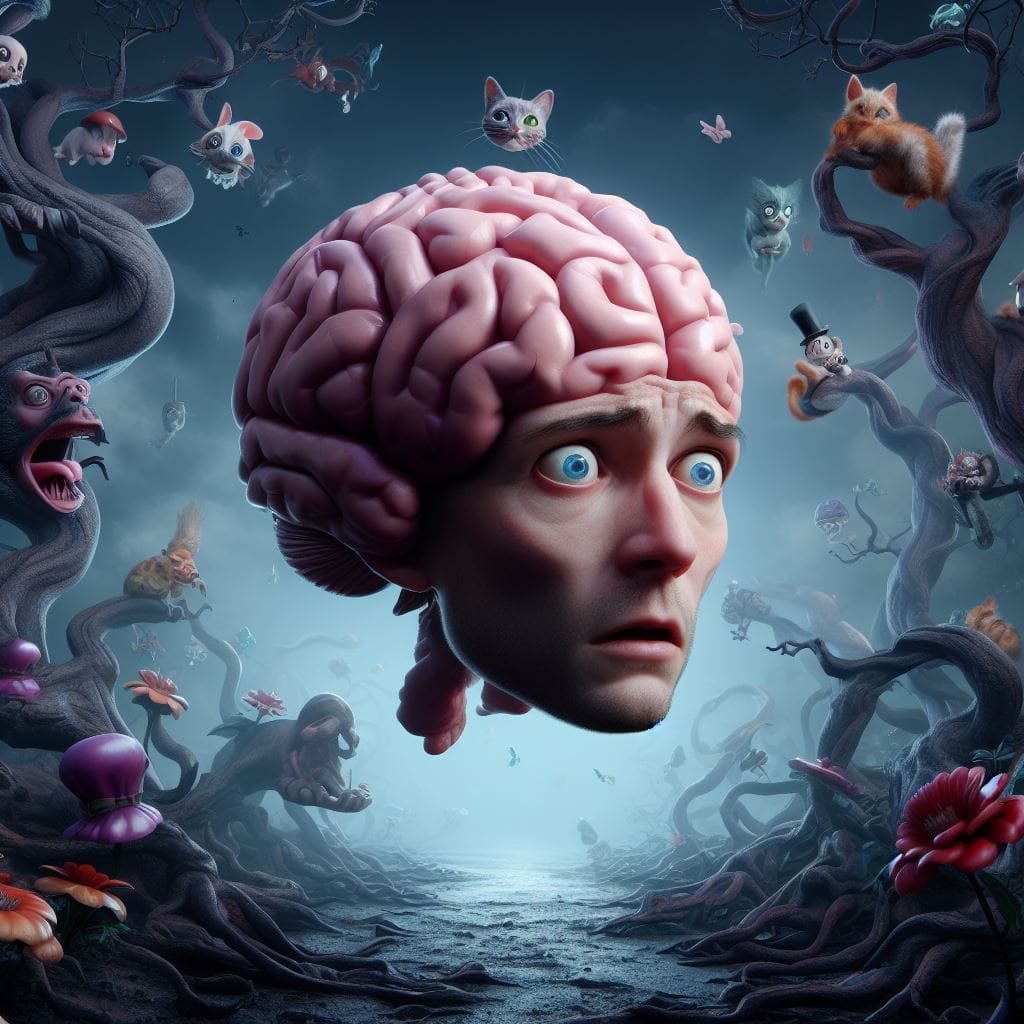
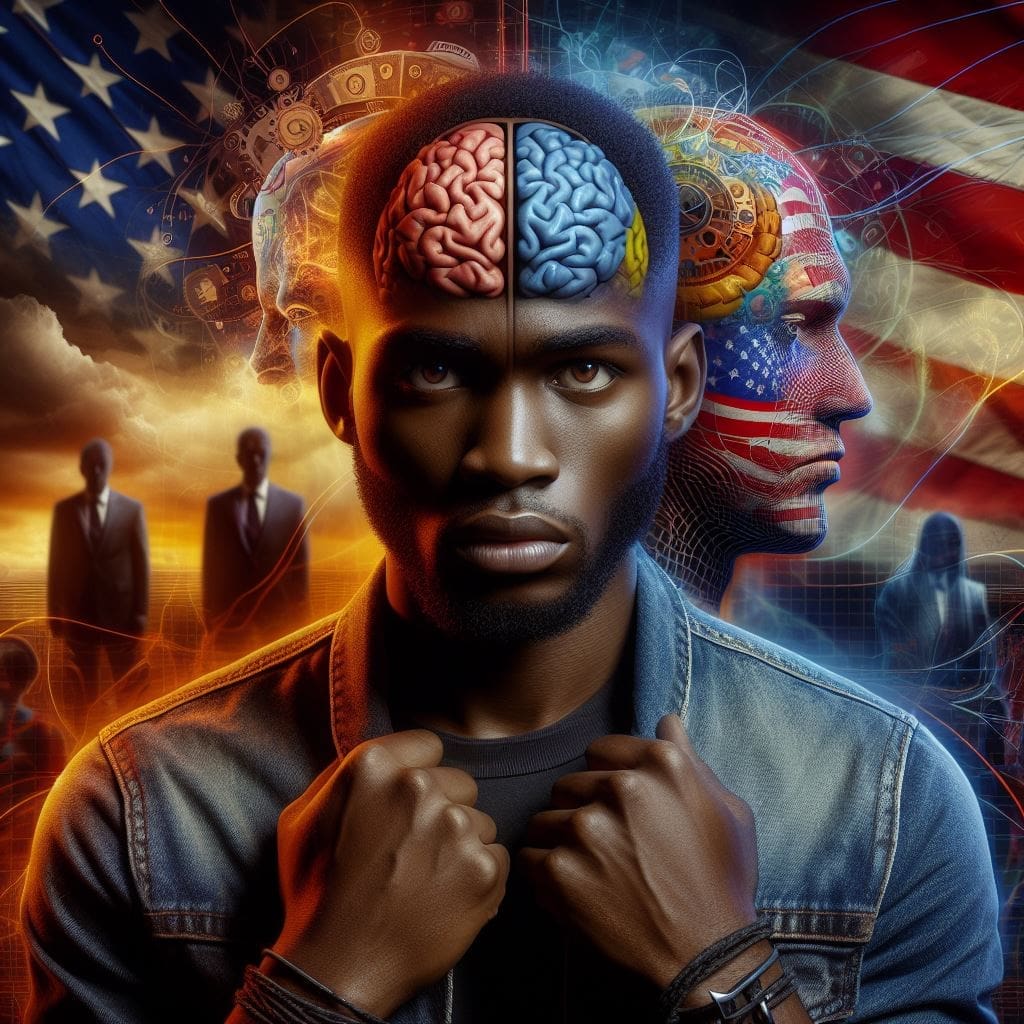

Politics can be a divisive topic, with individuals on opposite ends of the spectrum often holding strong beliefs and engaging in heated debates. While many factors can play a role in shaping a person’s political beliefs and actions, psychological factors are often at the core of these beliefs.
One prominent psychological factor that influences people’s political beliefs is cognitive dissonance. Cognitive dissonance is the discomfort that arises when a person holds conflicting beliefs or values. In the realm of politics, individuals may experience cognitive dissonance when confronted with information that challenges their existing beliefs. To resolve this discomfort, individuals may engage in selective exposure, seeking out information that supports their existing beliefs while dismissing or ignoring conflicting information. This can lead to the reinforcement of existing beliefs and a resistance to changing one’s political stance.
Another psychological factor that influences people’s political beliefs is social identity theory. According to this theory, individuals derive a sense of self-worth and belonging from their membership in social groups, such as political parties. As a result, individuals may adopt the beliefs and values of their chosen political party in order to align themselves with the group and strengthen their social identity. This can lead to polarisation and the demonisation of individuals outside of one’s chosen political group.
Additionally, confirmation bias plays a significant role in shaping people’s political beliefs. Confirmation bias is the tendency to seek out information that confirms one’s existing beliefs while ignoring or dismissing contradictory evidence. This can create a closed-minded approach to politics, where individuals only seek out information that supports their beliefs and are less receptive to alternative viewpoints.
In conclusion, psychological factors play a significant role in shaping people’s political beliefs and actions. Cognitive dissonance, social identity theory, and confirmation bias are just a few of the psychological mechanisms that can influence how individuals form and maintain their political beliefs. By understanding these factors, we can have a better understanding of why people hold the beliefs they do and work towards bridging the political divide.
Share this:

You Might Also Enjoy Reading