
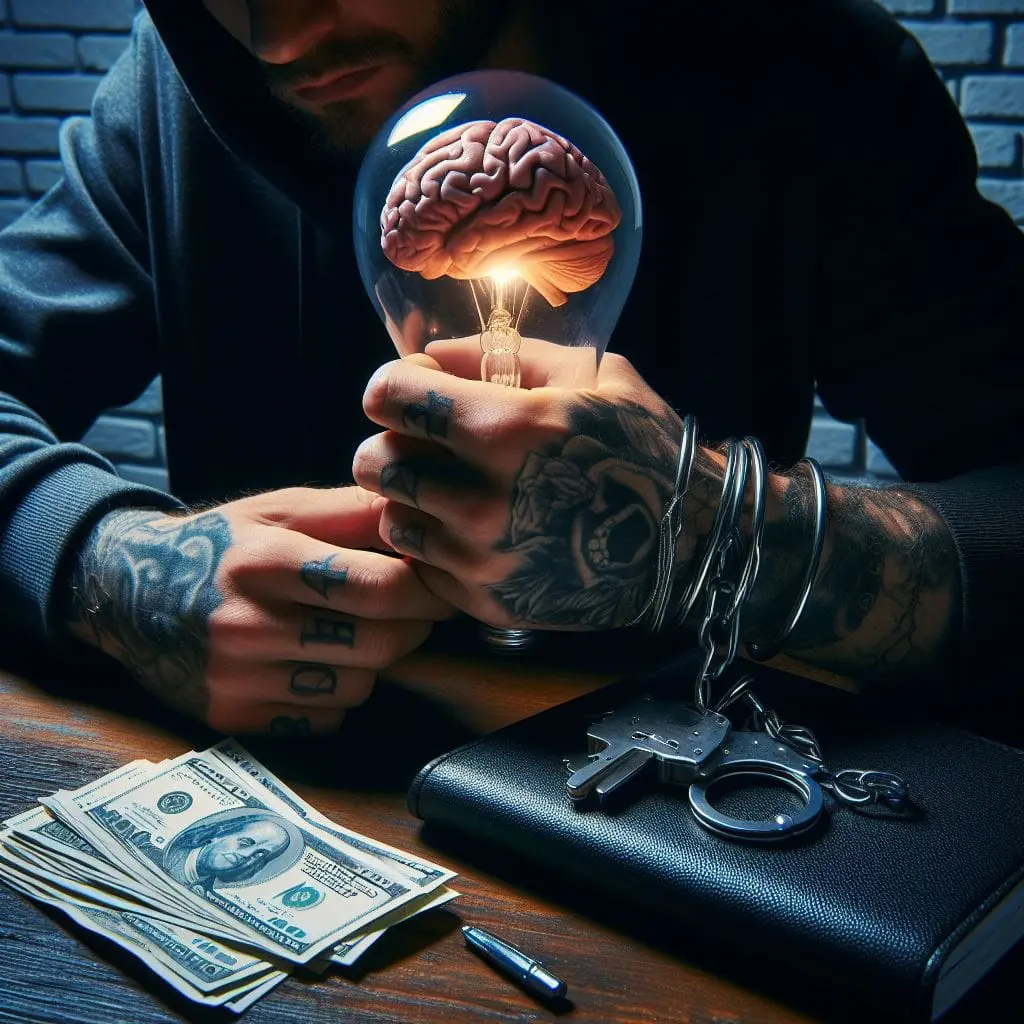

Mental disorders and crime have long been intertwined in the public consciousness, with many assuming a direct link between the two. However, the relationship between mental illness and criminal behaviour is far more complex than it may initially seem.
First and foremost, it is important to remember that the vast majority of people with mental disorders are not violent or criminal. In fact, research shows that individuals with mental illnesses are actually more likely to be victims of crime rather than perpetrators. This misconception stems from sensationalised media portrayals and societal stigma surrounding mental health issues.
That being said, there is evidence to suggest that certain mental disorders may increase the risk of criminal behaviour. For example, individuals with antisocial personality disorder or schizophrenia may be more prone to engaging in criminal activities. This can be attributed to a combination of factors, including impaired judgement, impulsivity, and difficulty regulating emotions.
It is also worth noting that substance abuse often co-occurs with mental disorders, and can significantly elevate the risk of criminal behaviour. Drugs and alcohol can exacerbate symptoms of mental illness and lower inhibitions, leading individuals to engage in criminal acts they may not otherwise commit.
Additionally, the criminal justice system often struggles to effectively address the needs of individuals with mental disorders. Many people with mental illnesses end up in the criminal justice system due to a lack of access to proper mental health care and support services. Once incarcerated, they may not receive adequate treatment or rehabilitative services, leading to a cycle of repeated offences.
Overall, it is crucial to approach the relationship between mental disorder and crime with nuance and understanding. Stigmatising individuals with mental illnesses only perpetuates harmful stereotypes and hinders their access to necessary care. By addressing the root causes of criminal behaviour, such as substance abuse and lack of mental health resources, we can work towards a more equitable and just society for all individuals, regardless of their mental health status.
Share this:

You Might Also Enjoy Reading









Post does not have featured image