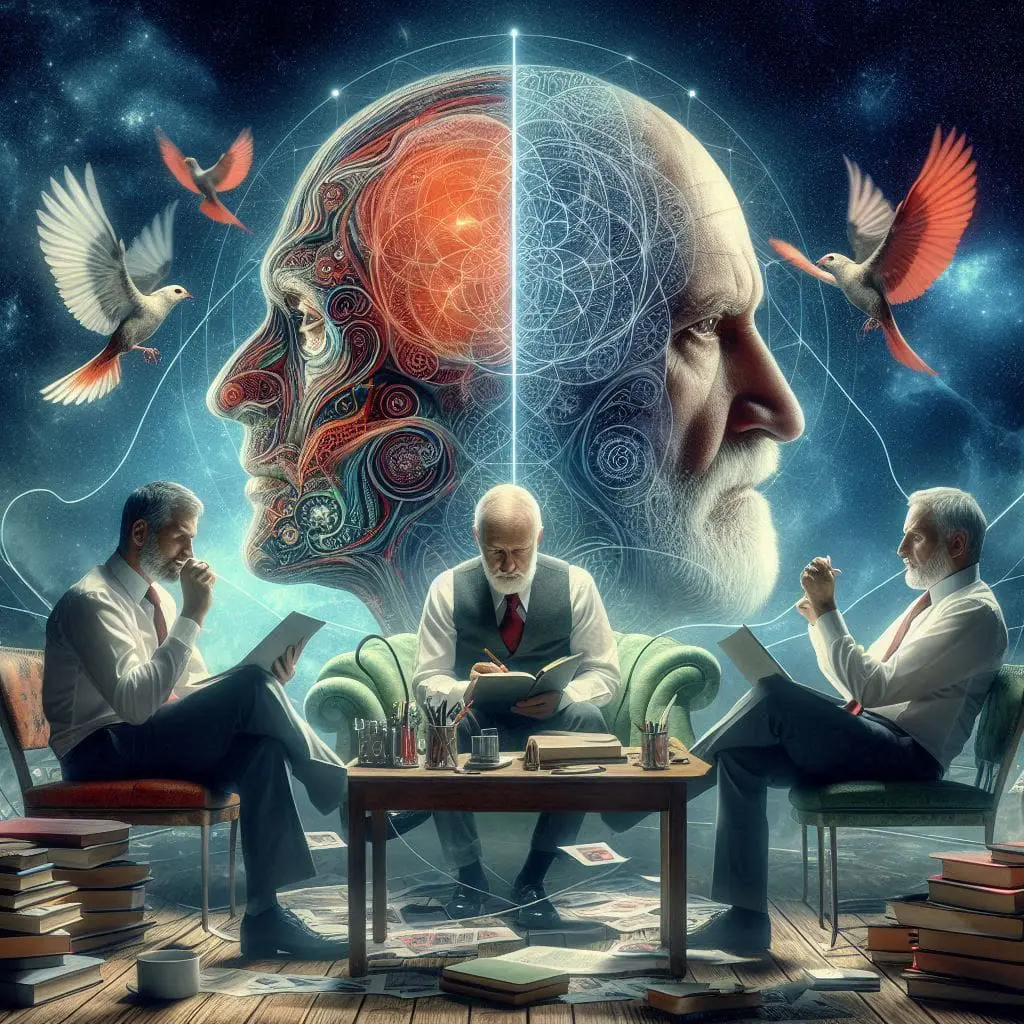
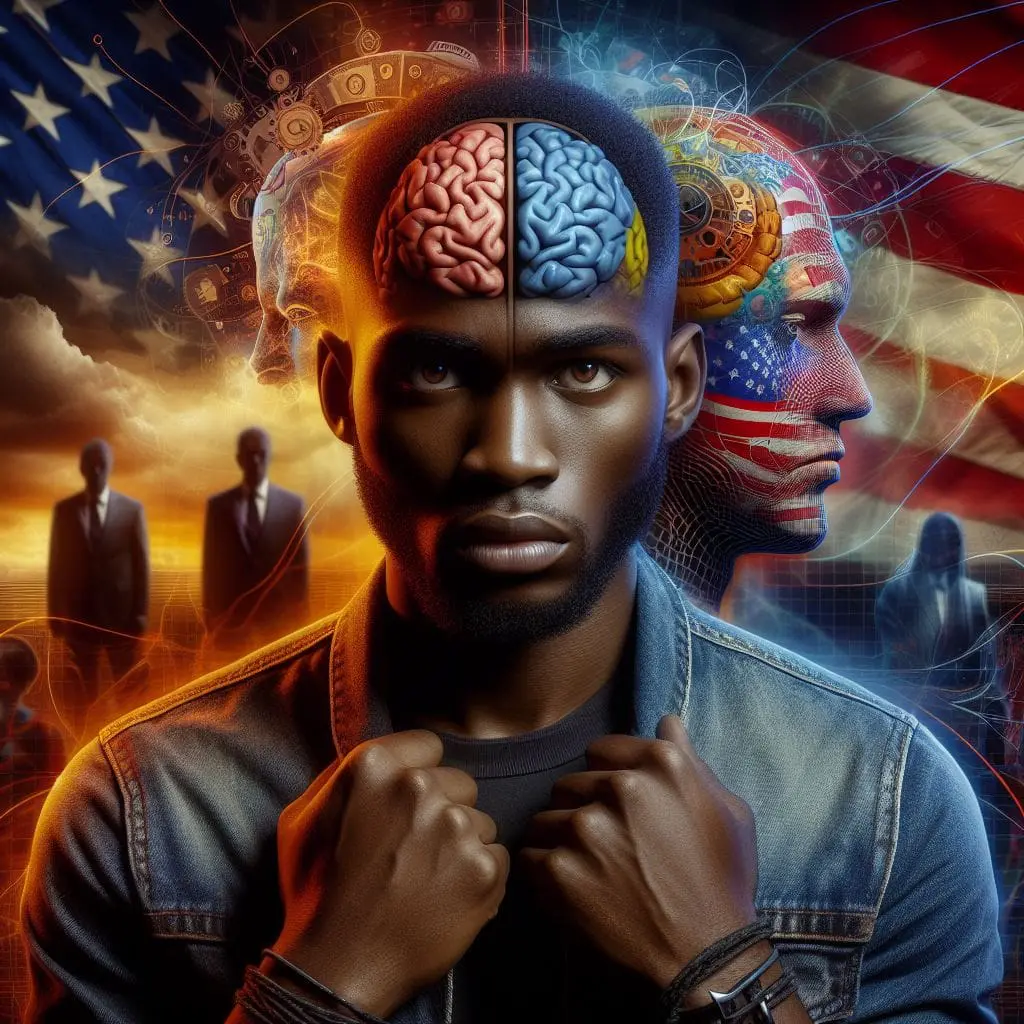
In recent years, the field of mental health has gained significant attention, as societies worldwide come to recognise the profound impact of mental well-being on overall quality of life. Alongside this growing awareness, we have witnessed remarkable advancements in technology, particularly in the realm of artificial intelligence (AI). As such, it is only natural to envision the potential of AI as a powerful ally in improving mental health. This blog post delves into some of the ways AI is revolutionising mental healthcare, offering unprecedented opportunities for early intervention, personalised treatments, and increased accessibility.
1. Early Intervention and Detection
One of the key strengths of AI lies in its ability to analyse vast amounts of data with enhanced accuracy and speed. By leveraging this capability, AI-powered mental health tools can efficiently process individuals’ data, such as online behaviours, social media activity, and electronic health records, to identify patterns and detect early signs of mental health concerns. These systems not only help clinicians in making more accurate diagnoses but also enable proactive interventions that prevent conditions from worsening.
2. Personalised Treatments
Mental health is an incredibly diverse field, with conditions manifesting differently among individuals. Traditionally, therapy and treatments have been designed based on broad generalisations, potentially leading to ineffective or counterproductive outcomes. However, AI offers a transformative solution by enabling personalised treatments tailored to individual needs. Machine learning algorithms can adapt therapeutic interventions based on patient responses, continually refining and optimising treatment plans for maximum efficacy.
3. Virtual Mental Health Assistants
Access to mental health services is a significant challenge that many individuals face due to geographical, financial, or social barriers. AI-powered virtual mental health assistants can bridge this gap by providing on-demand support and therapy through digital platforms. Chatbots and virtual assistants, equipped with natural language processing capabilities, can engage in conversations, offer coping strategies, and provide a listening ear. While these tools don’t replace human therapists entirely, they enhance accessibility and offer support round the clock.
4. Predictive Analytics for Suicide Prevention
Tragically, suicide remains a pressing global concern. However, AI shows great potential in predicting suicidal tendencies, enabling timely interventions and potentially saving lives. By analysing data patterns from social media posts, online activity, and other relevant data sources, AI algorithms can identify factors associated with heightened suicide risk. This knowledge can empower mental health professionals to reach out to individuals in distress, offering assistance before a crisis develops.
5. Text Analysis and Emotion Detection
Communication plays a vital role in therapy, and AI’s ability to analyse written and verbal expressions can enhance it further. Advanced natural language processing algorithms can analyse texts or verbal conversations, recognising emotional cues and gaining insights into a person’s well-being. This automated emotional analysis enables therapists to better understand their clients’ emotions, measure progress, and evaluate the effectiveness of interventions, leading to more targeted treatment plans.
Conclusion
The potential of AI in transforming mental healthcare is immense. While it cannot replace human interaction, AI technologies hold the promise of improving early detection, personalising treatments, increasing accessibility, and even preventing tragic outcomes. As AI continues to evolve, it is crucial to approach its integration and deployment in mental health with ethical considerations, privacy safeguards, and ongoing research to ensure its maximum benefits are realised. Embracing AI in combination with human expertise and care can shape a future where mental health support is not only accessible to all but also personalised and proactive, fostering better mental well-being for everyone.
Share this:

You Might Also Enjoy Reading