In the field of psychology, understanding object relationships is crucial for gaining insights into the dynamics of human behaviour and interpersonal connections. Object relationships refer to the ways in which individuals perceive and relate to others, both internally within their own minds and externally in their interactions with the outside world. By examining and analysing these object relationships, psychologists can gain a deeper understanding of an individual’s personality, motivations, and overall mental well-being.
Internal object relationships, also known as internal working models, are the mental representations of significant others that individuals develop throughout life. These internalised representations are shaped by early experiences, particularly in childhood, and continue to influence how individuals interpret and respond to others as they grow older. Internal object relationships are formed through interactions with primary caregivers, such as parents, and can have a lasting impact on an individual’s emotional and relational functioning.
For example, if a child grows up in an environment where their primary caregiver is consistently responsive and nurturing, they are more likely to develop a positive internal object relationship. This positive internalised representation may lead to feelings of security, trust, and healthy attachments in relationships. On the other hand, a child who experiences neglect or abuse may internalise negative representations, leading to difficulties in forming and maintaining healthy relationships later in life.
External object relationships, on the other hand, pertain to the actual interactions and connections individuals have with others in their external environment. These relationships are influenced by the internal object representations individuals have developed but are also shaped by current social context, cultural factors, and individual characteristics. External object relationships encompass both personal relationships, such as friendships and romantic partnerships, as well as professional relationships, like those with coworkers or supervisors.
In external object relationships, individuals bring their internalised object representations into their interactions, which can impact the dynamics and quality of the relationship. For instance, someone with negative internal object representations may struggle with trust issues, leading to difficulties in forming deep and meaningful connections with others. Conversely, individuals with positive internal object representations may find it easier to develop and maintain healthy relationships.
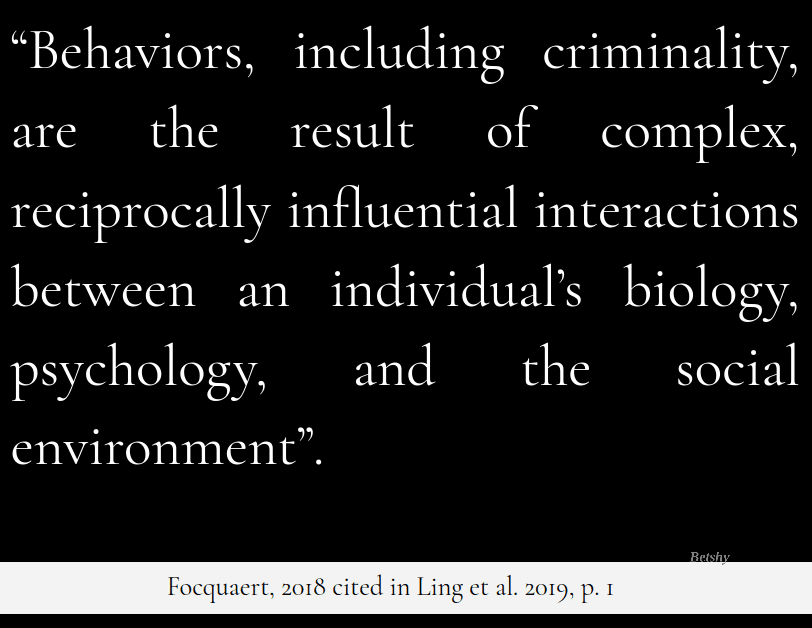
It is important to note that internal and external object relationships are not mutually exclusive. Rather, they interact and influence each other in a reciprocal manner. For instance, positive external relationships can contribute to the development of positive internal object representations, while negative external relationships may reinforce negative internal object representations.
Understanding the interplay between internal and external object relationships is essential for psychological assessment, therapy, and personal growth. Psychologists use various therapeutic approaches, such as psychodynamic therapy, to help individuals explore and reshape their internalised object relationships. By identifying and modifying negative internal object representations, individuals can work towards healthier and more satisfying external relationships.
In conclusion, internal and external object relationships are fundamental components of human psychology. Internal object relationships are the internalised representations of significant others that individuals develop throughout life, while external object relationships refer to the actual interactions individuals have with others in their external environment. By examining and understanding these complex connections, psychologists can gain valuable insights into an individual’s mental well-being and relational functioning, enabling them to provide tailored therapeutic interventions for personal growth and emotional healing.
Share this:

You Might Also Enjoy Reading