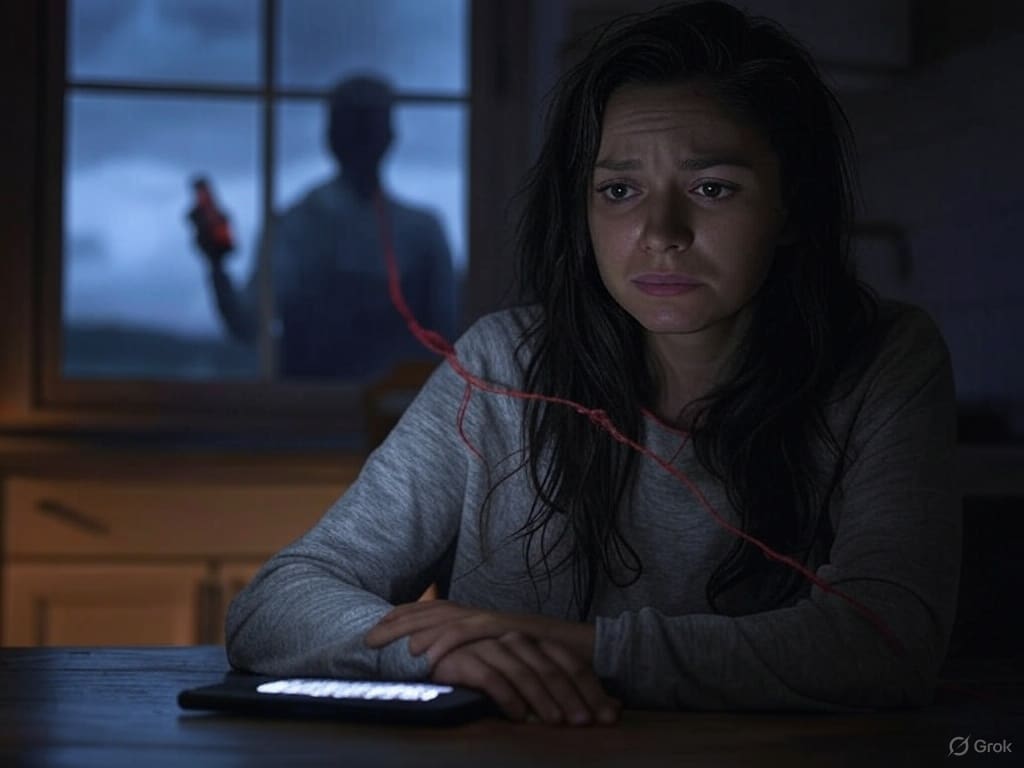
Do you ever have recurring dreams or visions that haunt your thoughts? The idea of experiencing something over and over again can be both intriguing and unsettling. In the world of psychology, recurring dreams are often seen as a manifestation of unresolved issues or deep-seated fears.
Amnesia is a distressing condition that affects millions of people worldwide. It is characterised by a loss of memory, often caused by trauma or injury to the brain. One common symptom that many amnesia patients experience are recurring visions or flashbacks.
These recurring visions can be incredibly triggering for those suffering from amnesia, as they often do not have any context or explanation attached to them. This can lead to feelings of confusion, fear, and frustration as they try to make sense of these intrusive images.
So why do these visions occur in amnesia patients? One theory is that they are a result of the brain trying to piece together fragmented memories or experiences. When the brain is unable to access particular memories, it may try to fill in the gaps with distorted or incomplete information, leading to the emergence of these recurring visions.
Another explanation is that these visions are a form of post-traumatic stress disorder (PTSD) that has developed as a result of the initial trauma that caused the amnesia. The brain may be trying to process and make sense of the trauma through these recurring flashbacks, even if the memories are not fully accessible.
Regardless of the underlying cause, it is important for amnesia patients to seek support and understanding when experiencing these recurring visions. Therapy, medication, and coping strategies can all help manage and reduce the frequency of these intrusive images.
One of the most intriguing depictions of recurring visions can be found in the popular video game series Amnesia. In this horror game, players navigate through dark and eerie environments while experiencing a protagonist’s struggle with memory loss and haunting visions. The constant feeling of déjà vu and the sense of being watched creates a sense of unease that lingers long after the game is turned off.
It is crucial for loved ones and caregivers to be patient and compassionate with amnesia patients as they navigate these challenging experiences. Creating a safe and supportive environment can help patients feel more secure and less alone in their struggle with recurring visions.
In conclusion, recurring visions in amnesia can be distressing and confusing for those experiencing them. By understanding the possible reasons behind these visions and providing support and empathy, we can help amnesia patients cope with this challenging symptom and work towards healing and recovery.
Share this:

You Might Also Enjoy Reading