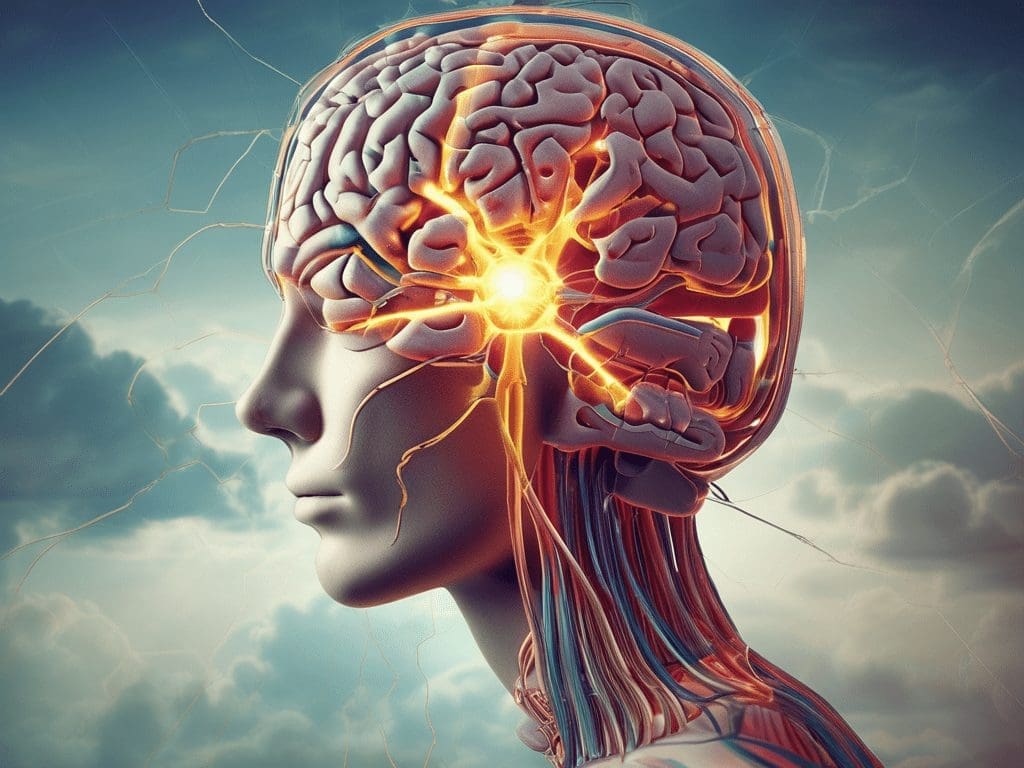


Understanding the minds of criminals has always been a fascinating but daunting task. The field of forensic psychoanalysis aims to bridge the gaps between psychology and forensics, enabling us to dissect the intricacies of criminal behaviour. This blog post delves into the world of forensic psychoanalysis, highlighting its significance in criminal investigations and shedding light on its methods and applications.
Unmasking the Criminal Psyche
Forensic psychoanalysis focuses on the study of abnormal psychological patterns and behavioural characteristics that lead individuals to commit criminal acts. By merging the concepts of Freudian psychoanalysis with criminology, forensic psychoanalysts can develop unique insights into the motivations, drives, and experiences of criminals.
The Role of Forensic Psychologists
Forensic psychologists play a pivotal role in analysing criminal minds. Their expertise in both psychology and the legal system allows them to collaborate with law enforcement agencies, legal teams, and other professionals involved in criminal investigations. They utilise a range of techniques and tools to unravel the complex web of a criminal’s psyche.
Case Studies and Profiling
One significant aspect of forensic psychoanalysis is the creation of criminal profiles. By analysing crime scene details, evidence, and behavioural patterns found within different cases, forensic psychologists can develop profiles that provide a glimpse into the criminal’s mindset and potential motives. Profiling aids law enforcement agencies in narrowing down suspects and improving investigation strategies.
Understanding Motivations
To comprehend why criminals commit certain acts, it is crucial to delve into their motivations. Forensic psychoanalysis helps identify the primary motivators, such as financial gain, power, control, revenge, or psychological fulfilment. By understanding these motives, law enforcement agencies can tailor their tactics to apprehend criminals effectively and prevent future offences.
Mental Health Assessment
Forensic psychoanalysis also extends into assessing the mental health of criminals. Evaluating psychological disorders, personality traits, and potential psychopathy aids in determining the offender’s culpability, capability for rehabilitation, and propensity for reoffending. It is essential to recognise how mental health factors intersect with criminal behaviour to assess and manage risks posed by offenders adequately.
Ethical Considerations
While forensic psychoanalysis brings valuable insights to the understanding of criminal behaviour, it raises ethical concerns. Analysing the minds of criminals should be done with caution, adhering to confidentiality, informed consent, and the well-being of all parties involved. Striking a balance between uncovering the truth and ensuring the protection of privacy is of utmost importance.
Advancements in Forensic Psychoanalysis
Technological advancements continually enhance the capabilities of forensic psychoanalysis. With the increasing use of machine learning and artificial intelligence, forensic psychologists can now sift through vast amounts of data to identify patterns, predict criminal behaviour, and support investigations. These advancements provide valuable tools that aid in solving crimes and preventing future offences.
Conclusion
Forensic psychoanalysis provides a unique lens through which we can unravel the mysteries of criminal behaviour. By analysing patterns, motivations, and mental health factors, forensic psychologists contribute significantly to criminal investigations and legal proceedings. However, ethical considerations are crucial, ensuring that the analysis is conducted responsibly, respecting the rights and privacy of all individuals involved. As this field continues to evolve, the collaboration between forensic psychoanalysis and other disciplines promises exciting advancements in the pursuit of justice.
Share this:

You Might Also Enjoy Reading