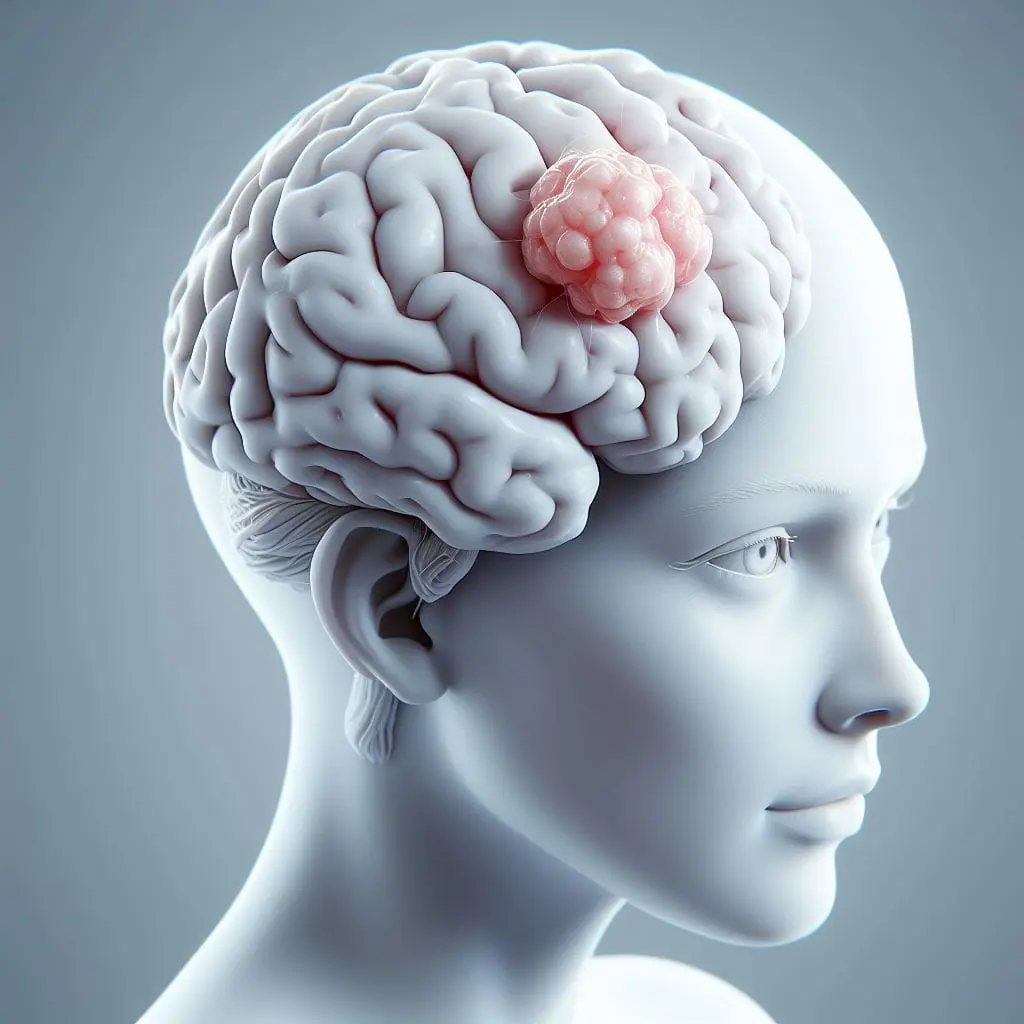
Psychopathy – a word that conjures up images of ruthless killers and manipulative individuals. This topic has fascinated researchers and the general public alike, especially regarding the motives and actions of those diagnosed with psychopathy. While psychopathy is commonly associated with criminal behaviour, it is crucial to understand that not all individuals with psychopathic traits engage in illegal activities. In fact, many psychopaths can mask their condition effectively, blending into society undetected. This raises an important question: What drives these individuals to exhibit such callous and remorseless behaviour? Welcome to the fascinating world of the neurobiology of psychopathy.
The Complex Nature of Psychopathy
Psychopathy is characterised by a combination of personality traits such as superficial charm, impulsivity, lack of empathy, and a profound disregard for societal norms. Although the exact origins of this disorder remain controversial, a growing body of scientific evidence suggests that certain brain abnormalities play a pivotal role in its development.
Key Brain Regions Involved
1. Prefrontal Cortex (PFC): The PFC, responsible for executive functions such as decision-making, impulse control, and evaluating consequences, plays a crucial role in psychopathy. Multiple studies have reported reduced grey matter volume and functional abnormalities in this area among psychopathic individuals. Dysfunctions in the PFC weaken the individual’s ability to inhibit impulsive behaviours, leading to heightened aggression and a disregard for morality.
2. Amygdala: The amygdala, known for processing emotions, particularly fear, is consistently found to be structurally and functionally different in individuals with psychopathy. Diminished activity in the amygdala leads to a reduced ability to recognise and respond to distress cues in others, ultimately contributing to a lack of empathy and emotional connection.
3. Anterior Cingulate Cortex (ACC): The ACC, involved in emotional processing and conflict monitoring, exhibits abnormalities in psychopathy. Disruptions in this region hinder the individual’s ability to use emotional feedback to correct behaviour or feel remorse, further cementing the psychopathic traits of callousness and indifference.
Neurochemical Factors
Research has also explored the role of neurotransmitters in psychopathy. A particular focus has been placed on the impact of reduced serotonin. Serotonin is essential for regulating mood, impulsivity, and social behaviour. Low levels of serotonin have been associated with increased aggression and impulsivity. Consequently, individuals with psychopathy may exhibit these behaviours due to serotonin dysregulation.
Environmental Influences
While neurobiological factors provide important insights into the origins and mechanisms of psychopathy, it is important to recognise that environmental influences interact with genetic predispositions. Childhood experiences, such as abuse, neglect, or inconsistent parenting, can significantly contribute to the development and manifestation of psychopathy.
Conclusion
The neurobiology of psychopathy is undeniably complex, involving intricate interactions between genetic factors, brain structure, and environmental influences. Understanding the underlying neural mechanisms not only increases our knowledge of this enigmatic disorder but also holds potential for developing targeted interventions, such as therapeutic approaches aimed at modulating neural activity. By unravelling the neurobiology of psychopathy, we inch closer to gaining the understanding necessary for effective prevention and treatment strategies for this challenging condition.
Share this:

You Might Also Enjoy Reading