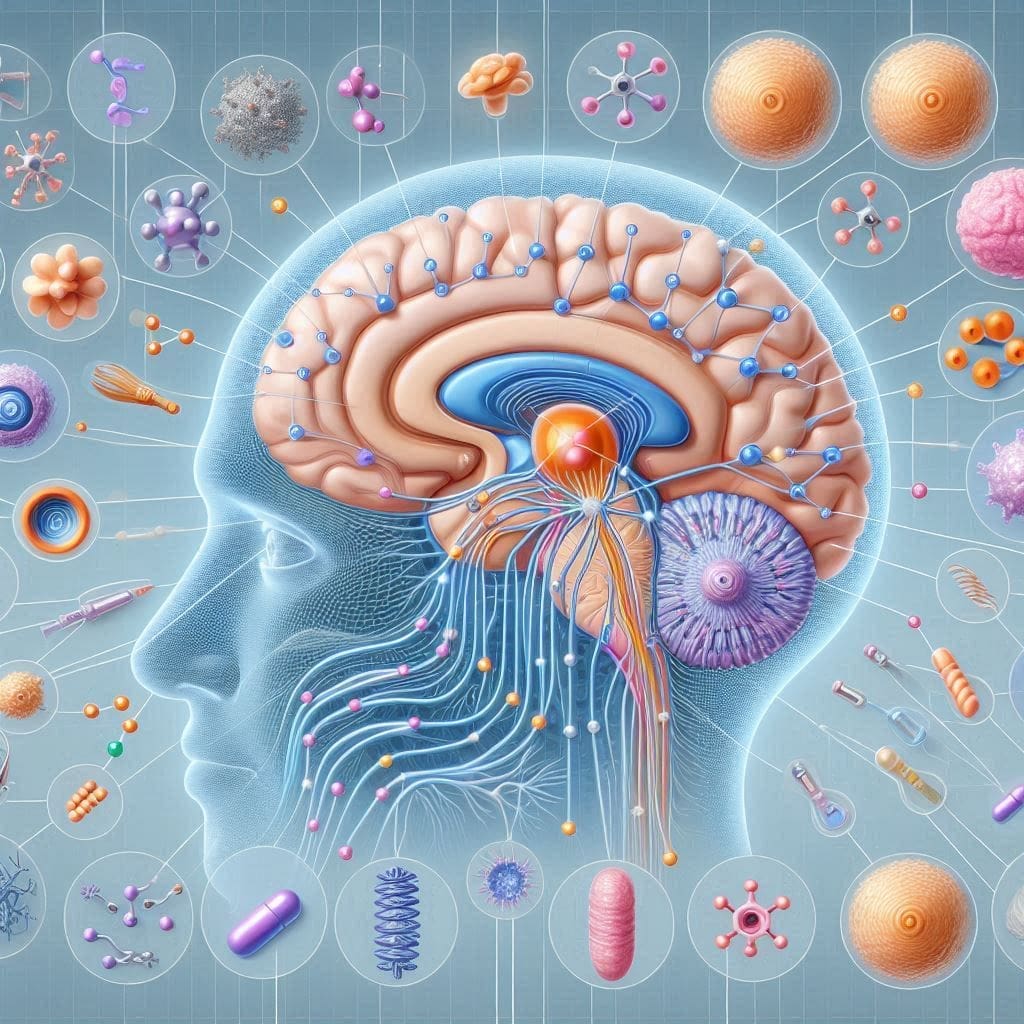


Human memory is an enigmatic phenomenon that shapes our experiences, knowledge, and identity. How does our brain retain and process the multitude of information encountered daily? What process enables us to form long-lasting memories while discarding the irrelevant? The answer lies in the complex and fascinating mechanism known as memory consolidation.
Understanding Memory Consolidation
Memory consolidation is the process by which new memories are transformed into stable, enduring representations within the brain. It involves complex interactions between different brain regions, synaptic connections, and neural networks. This process allows us to retain and recall significant events, experiences, facts, and skills.
Memory Consolidation Mechanisms
Consolidation occurs in two distinct phases: synaptic consolidation and systems consolidation.
1. Synaptic Consolidation:
During the initial phase known as synaptic consolidation, memories are rapidly formed at the synapses, the junctions where neurons communicate. These transient memory traces rely on changes in synaptic strength, facilitated by the release of neurotransmitters. However, they are vulnerable and easily prone to alterations or even erasure.
2. Systems Consolidation:
To ensure long-term retention, the synaptic traces are strengthened and integrated into the existing neural circuitry in the second phase called systems consolidation. This process involves the reorganisation of neural connections, with the involvement of the hippocampus, a critical brain region responsible for memory formation and retrieval.
Did you know?
During sleep, especially during the deep slow-wave sleep stage, memory consolidation is thought to be most active. The brain replays, rehearses, and stabilises newly acquired information, reinforcing the neural connections and embedding memories into long-term storage. Therefore, a good night’s sleep plays a crucial role in optimal memory consolidation.
Factors Affecting Memory Consolidation
Several factors influence the efficiency of memory consolidation:
- Emotional significance: Emotionally charged experiences trigger the release of stress hormones, enhancing the attention and encoding of memories, resulting in stronger and more vivid recollections.
- Repetition and practice: Repeated exposure to information strengthens its consolidation. Regular practice and review fortify the neural connections involved in memory storage, making it more resistant to decay.
- Novelty and attention: Unique or surprising events garner greater attention, leading to enhanced memory consolidation. Novelty triggers a release of dopamine, a neurotransmitter involved in attention and motivation.
- Stress and interference: High stress levels, anxiety, or exposure to distracting environments can hinder memory consolidation, impairing the encoding and retrieval processes.
Implications and Applications
Understanding memory consolidation has significant implications in various fields:
- Education: Tailoring teaching techniques to optimise memory consolidation can improve learning outcomes, resulting in better academic performance.
- Cognitive disorders: Research on memory consolidation aids in comprehending memory impairments associated with conditions like Alzheimer’s disease, dementia, and post-traumatic stress disorder, leading to potential therapeutic interventions.
- Skill acquisition: Applying knowledge of memory consolidation can facilitate skill development in domains such as sports, music, or language learning, ensuring efficient encoding and retrieval of tasks.
Conclusion
Memory consolidation illuminates the complex neural mechanisms that contribute to acquiring and retaining memories, shaping who we are. Unravelling this intricate process opens doors to enhancing learning, memory rehabilitation, and understanding memory-related disorders. As we explore the depths of memory consolidation, we inch closer to uncovering the profound workings of our remarkable human brain.
Share this:

You Might Also Enjoy Reading