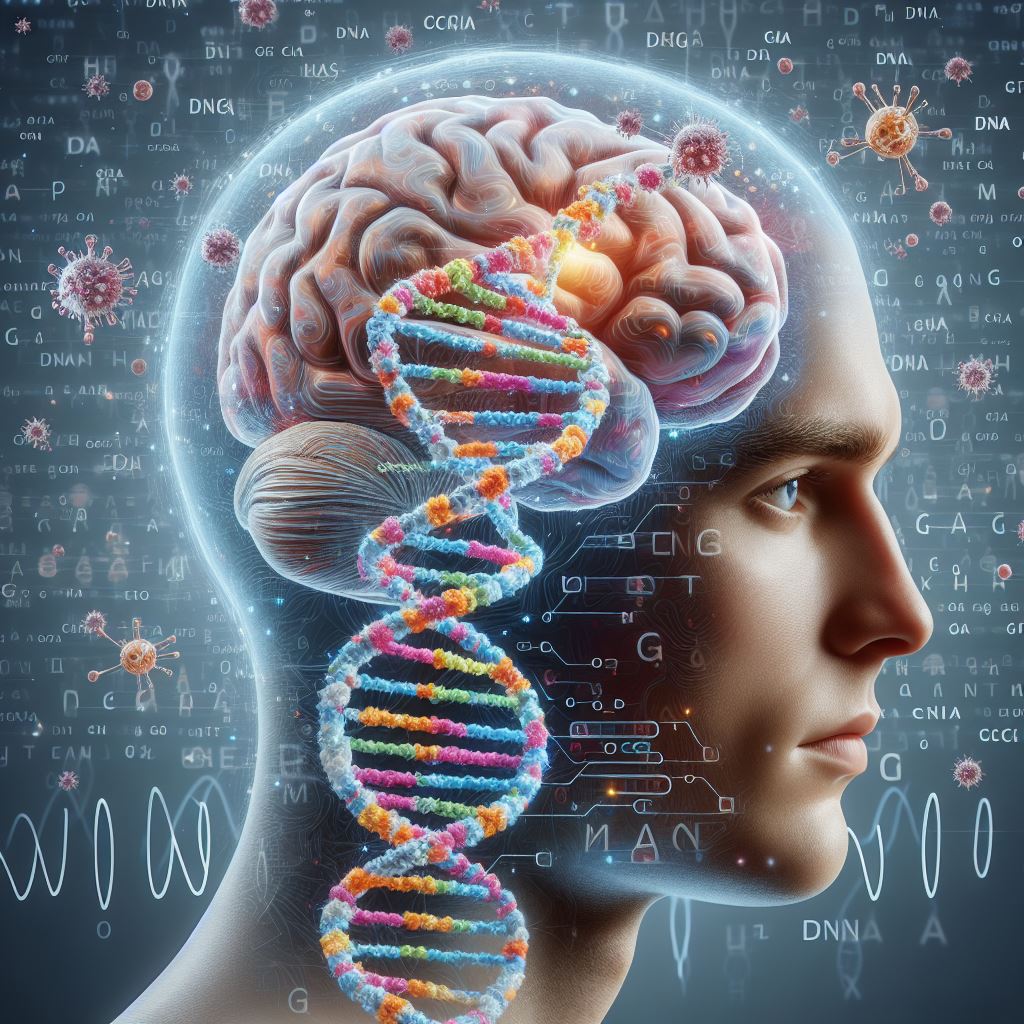
Psychosis, a severe mental disorder characterised by impaired thinking, perception, and emotions, challenges individuals in various ways. Within the vast landscape of symptoms associated with psychosis, deficits in inhibitory control stand out as a key area of concern. Inhibitory control is the ability to resist impulsive actions or thoughts, prioritise tasks, and regulate emotions. In this blog post, we will delve into the intricate relationship between inhibitory control and psychosis, shedding light on its impact and potential implications for individuals experiencing psychosis.
Exploring the Connection:
- Impaired Executive Functions: Psychosis, commonly seen in conditions such as schizophrenia, is associated with significant disruptions in executive functions. Executive functions involve higher-order cognitive processes, including inhibitory control, working memory, and cognitive flexibility. Impaired inhibitory control often manifests as impulsive behaviours, difficulty filtering irrelevant information, and impaired decision-making abilities.
- Precursor or Consequence: Researchers find themselves continuously pondering the chicken-and-egg dynamic of inhibitory control impairment in psychosis. Some argue that weakened inhibitory control may serve as a precursor, potentially contributing to the development of psychosis. Conversely, others suggest that psychosis itself may lead to deficits in inhibitory control due to disruptions in brain circuitry. Further research is essential to unravel this intricate relationship and design targeted interventions.
Impact on Daily Life
- Impulsive Behaviour: Inhibitory control deficits can precipitate impulsive behaviour in individuals with psychosis. This impulsivity can range from engaging in risky activities to displaying erratic emotions and difficulty adhering to social boundaries. Such behaviour can lead to difficulties in interpersonal relationships and undermine an individual’s ability to function effectively in society.
- Cognitive Flexibility and Problem-Solving: Inhibitory control deficits also impact cognitive flexibility and problem-solving abilities. Individuals with psychosis may struggle to adapt to changing situations, finding it hard to shift focus or adjust plans accordingly. These difficulties can hinder academic or professional achievements and diminish independence.
Addressing the Challenges
- Therapeutic Approaches: Psychosocial interventions, including cognitive remediation therapy, cognitive behavioral therapy, and social skills training, have shown promise in targeting inhibitory control deficits in individuals with psychosis. These therapies aim to enhance self-control, emotional regulation, decision-making skills, and promote adaptive behaviors.
- Pharmacological Interventions: In cases where inhibitory control deficits severely impact an individual’s day-to-day functioning, medications may be prescribed. Antipsychotic medications, often prescribed to manage psychotic symptoms, may indirectly improve inhibitory control. Additionally, some investigational drugs, including those targeting dopamine receptors, are being explored to enhance inhibitory control specifically.
Conclusion
Inhibitory control deficits pose significant challenges for individuals experiencing psychosis, impacting their ability to function effectively in various aspects of life. Understanding the underlying mechanisms, determining causality, and developing effective interventions are vital in improving the outcomes for those affected. With continued research and a multidimensional approach to treatment, there is hope for individuals with psychosis to regain control over their inhibitory processes and experience improved overall well-being and quality of life.
Share this:

You Might Also Enjoy Reading