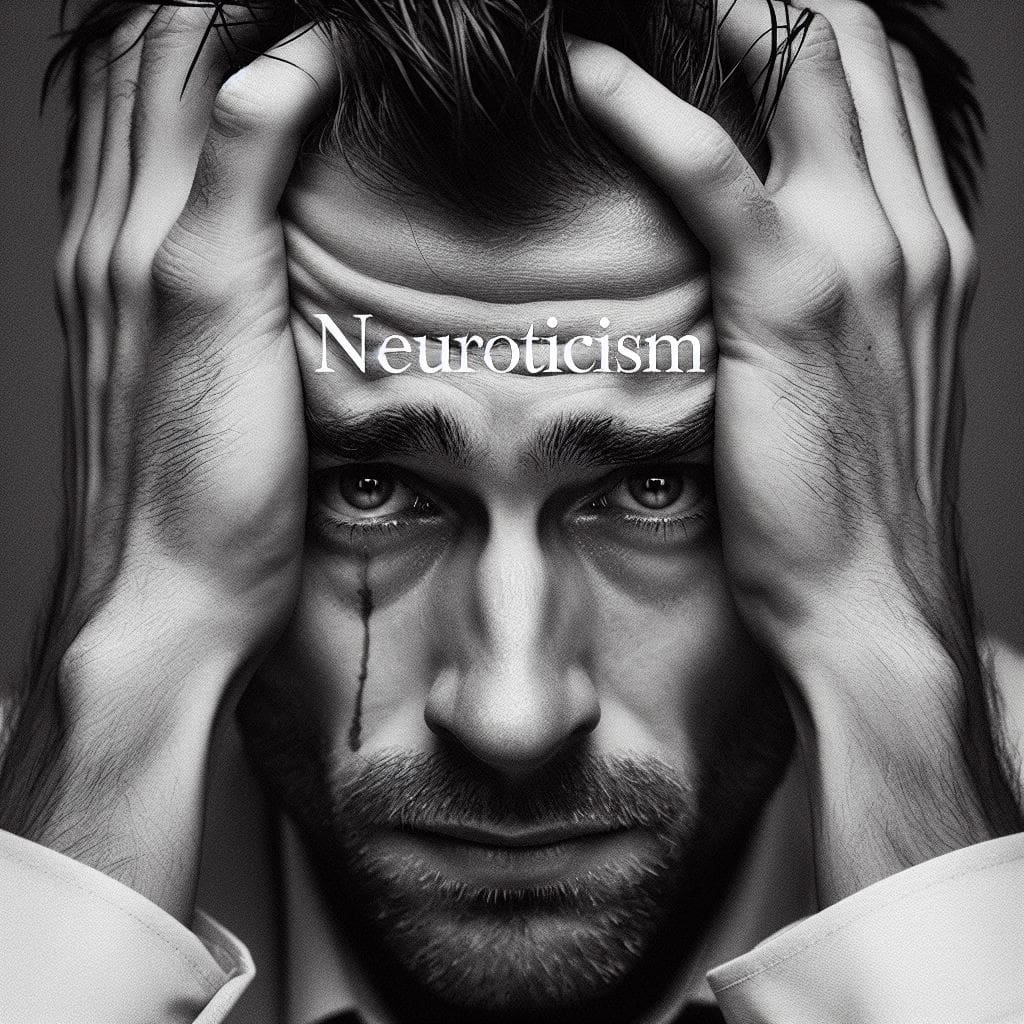


Psychological trauma, a profound and distressing experience that haunts individuals on a deep emotional level, is a topic that has garnered immense attention in the field of psychology. Sigmund Freud and his successors have provided invaluable insights into the nature of trauma, but it was Jacques Lacan who delved into the realm of the “Real” to unravel the intricate web of psychological trauma. In this blog post, we will explore Lacan’s understanding of trauma, and examine its implications on human psyche and therapeutic interventions.
The Lacanian Trauma
Jacques Lacan, a French psychoanalyst, developed his theory of psychological trauma through his unique concept of the Real. According to Lacan, the Real represents a space of fragmented and unfiltered experiences that evade our symbolisation and language. It is the realm where our most intense emotions, fears, and anxieties reside, often triggering and perpetuating the effects of traumatic experiences.
The Real is distinct from the Symbolic and the Imaginary, the other two realms in Lacanian theory, as it eludes linguistic representation and cannot be fully grasped or articulated. Psychological trauma, as seen through this lens, unfolds in the spaces where our imagination encounters the raw and unfiltered aspects of reality, leaving a lasting impact on our psyches.
The Reenactment and Symbolisation of Trauma
Lacan contended that psychological trauma is not a mere memory but an ongoing experience that demands reenactment. Trauma is repeatedly revived in the present through various symptoms, expressions, and behaviours, as individuals find themselves trapped in a continuous loop of reliving their traumatic experiences.
Moreover, Lacan explored the concept of “symbolisation” as a critical aspect of trauma. He argued that trauma often surpasses our ability to symbolise or put it into words, leading to a lack of integration and sense-making. This lack of symbolic representation in turn sustains the ongoing reenactment of trauma and prevents individuals from effectively processing and healing from their traumatic experiences.
Therapeutic Implications
Lacan’s theory has profound implications on therapeutic interventions. One approach that seeks to address trauma through a Lacanian lens is psychoanalysis. Psychoanalysis aims to navigate the depths of the unconscious, where the Real resides, and create opportunities for the client to give symbolic expression to their traumatic experiences. By providing a safe space for language and symbolisation, the therapy assists in the construction of meaning, gradually reducing the impact of trauma.
Another therapeutic intervention inspired by Lacan’s trauma theory is “Witnessing.” In this approach, the therapist actively listens and acknowledges the trauma narrative without imposing interpretations or consoling gestures. By merely attesting to the existence of trauma, the therapist validates the individual’s pain and gradually enables the symbolic reparation process to unfold.
However, it is important to note that Lacanian-inspired trauma therapy may not suit everyone. Each individual’s experience and response to trauma are unique, necessitating a tailored approach that accommodates their specific needs and circumstances.
Conclusion
Lacan’s theory of trauma in the Real sheds light on the complexities of trauma and its lingering impact on human psyche. By exploring the realm beyond language and symbolisation, Lacan offers a lens through which we can attempt to comprehend and address trauma. Understanding trauma as an ongoing reenactment demanding symbolic representation enables therapists to create spaces of healing and recovery. While Lacanian-inspired interventions hold substantial promise, it is vital to recognise the diversity of trauma experiences and the need for individualised approaches in supporting survivors along their path to recovery.
Share this:

You Might Also Enjoy Reading