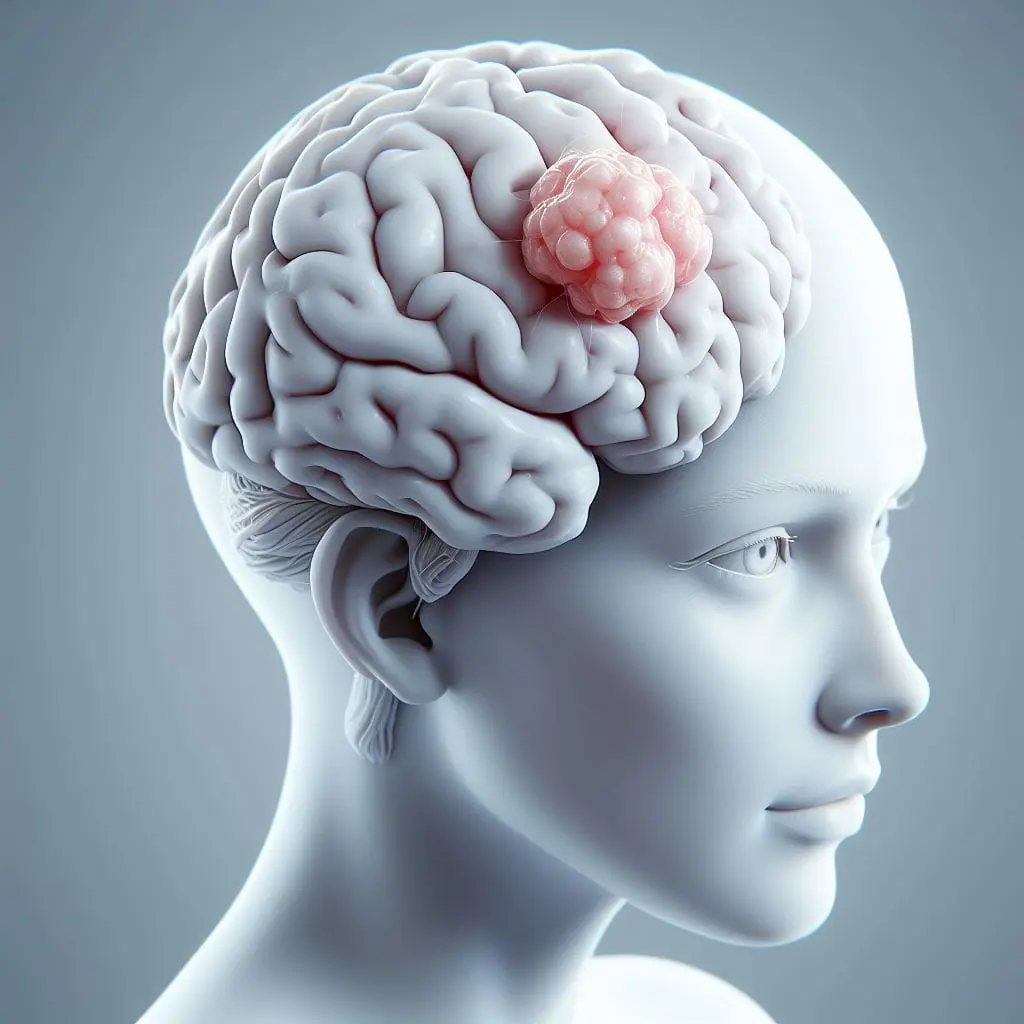
Sigmund Freud, the father of psychoanalysis, revolutionised our understanding of the human mind. His groundbreaking theories still hold relevance today, shedding light on the complex workings of our unconscious, and providing a comprehensive framework to interpret our thoughts, feelings, and behaviours. In this blog post, we will explore Freudian theories and their significance in understanding the human psyche.
1. The Unconscious Mind
According to Freud, the human mind is divided into three levels – conscious, preconscious, and unconscious. The unconscious mind holds repressed memories, desires, and instincts that are beyond our awareness but have a profound influence on our thoughts and actions. These buried contents can manifest through dreams, slips of the tongue, and slips of behaviour, providing a window into our deepest desires and fears.
2. Dream Analysis
Freud believed that dreams are manifestations of our unconscious thoughts and desires. By analysing the symbolism and hidden meanings within dreams, he suggested that we can gain insights into our repressed emotions. For example, a dream about falling may symbolise a fear of failure, while dreaming of being chased could represent a desire to escape from something in our waking life. By decoding these symbols, we can gain a better understanding of our unconscious motivations.
3. Psychosexual Development
Another essential aspect of Freudian principles is psychosexual development. Freud proposed that during childhood, we pass through several psychosexual stages – oral, anal, phallic, latency, and genital. Each stage is characterised by a focus on erogenous zones and the resolution of conflicts related to them. Any unresolved issues during these stages can lead to fixation, where we become fixated on seeking pleasure in that specific area, potentially leading to psychological issues in the future.
4. Defence Mechanisms
Freud introduced the concept of defence mechanisms, which are unconscious psychological strategies that protect us from experiencing anxiety or distress. These mechanisms allow us to push unwanted thoughts or emotions into the unconscious, shielding us from the discomfort they may cause. Common defence mechanisms include repression (pushing disturbing memories out of awareness), denial (refusing to accept reality), and projection (attributing our own thoughts and feelings onto others). Understanding defence mechanisms can help us recognise when we are using them and shed light on unresolved conflicts.
5. The Structure of the Mind
Freud proposed a model of the mind consisting of three components – the id, ego, and superego. The id operates on the pleasure principle and seeks immediate gratification of our basic instincts and desires. The ego, on the other hand, acts as a mediator between the id and the external world, while the superego represents our internalised moral standards and societal rules. These three elements are often in conflict, and the way they interact shapes our thoughts, behaviors, and emotions.
A Final Note
It’s important to note that Freud’s theories have faced criticism and have evolved since their conception. Nevertheless, Freudian principles provide a valuable lens through which to explore the hidden facets of our mind. Understanding the unconscious, analysing dreams, and recognising defence mechanisms can all contribute to personal growth and self-awareness. Whether you agree with Freud or not, his ideas undeniably paved the way for the development of modern psychology and continue to inspire further exploration into the depths of the human psyche.
Share this:

You Might Also Enjoy Reading