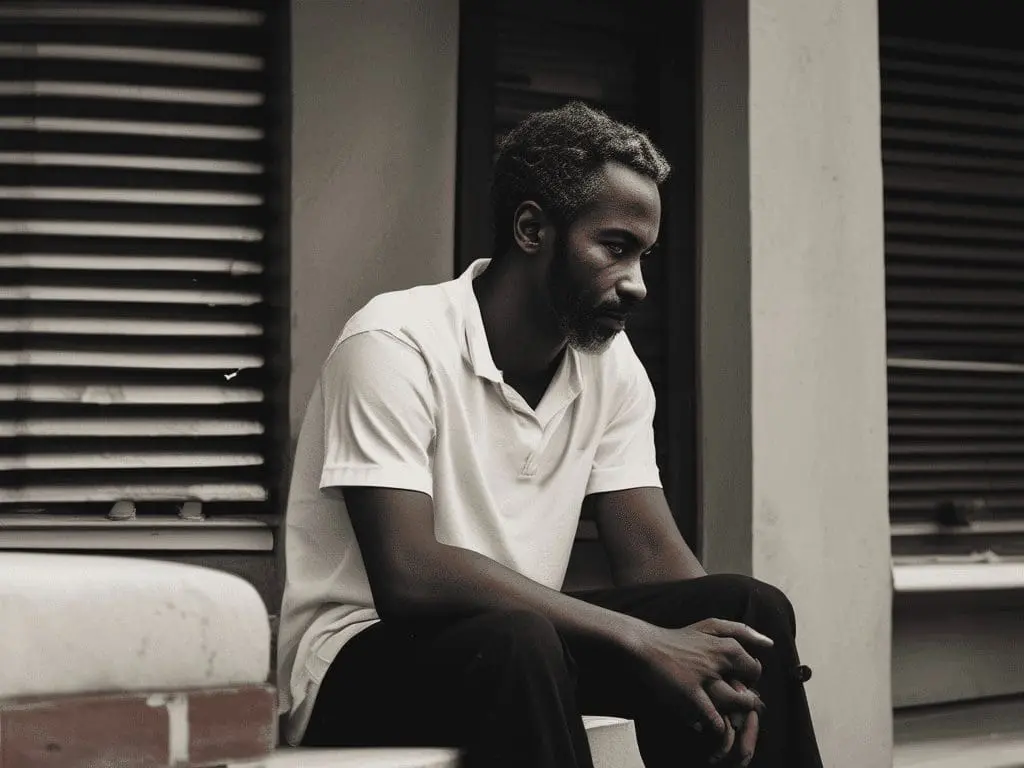
Dear readers, it is with a measured composure that I recount the chapters of my early life in Britain, not as a lament, but as a testament to the unyielding spirit that has propelled me forward. Born amidst the vibrant hues of Colombia, my existence was irrevocably altered when my then stepfather, under the guise of benevolence, orchestrated my horror. As I write this, it is 3rd November, 2025. It’s 22:50 and I am filling a form to access my medical records from the NHS. I am being asked to provide my full list of addresses where I have lived, and I had to Google the postcodes as I did not recall these. I came across the farm business the man who once adopted me owns, and I felt that I had to write about those times between 2006-2007 to finally let go and heal.
Advertisements
Subscribe to get access
Read more of this content when you subscribe today.
Racism is a pervasive issue in our society that impacts countless individuals on a daily basis. For many people of colour, racism is not just a theoretical concept or a distant concern – it is a lived experience that can have profound and lasting effects on their mental health and well-being.
Advertisements
One particularly insidious form of racism is traumatic racism, in which a person is subjected to repeated instances of racial discrimination, microaggressions, and other acts of bigotry that can result in significant psychological harm. Traumatic racism can manifest in a variety of ways, from overt acts of violence and hatred to more subtle forms of discrimination that chip away at a person’s sense of self-worth and belonging.
The impact of traumatic racism on individuals can be profound and long-lasting. Research has shown that experiencing racism can lead to a range of negative outcomes, including increased rates of anxiety, depression, and post-traumatic stress disorder. People who are exposed to traumatic racism may also develop a sense of hypervigilance, constantly on guard for potential acts of discrimination or violence.
One of the most troubling aspects of traumatic racism is that it can often be dismissed or minimised by those who have not experienced it firsthand. People of colour who speak out about their experiences of racism may be accused of exaggerating or playing the “race card,” further compounding their sense of isolation and helplessness.
It is important for all of us to acknowledge the reality of traumatic racism and to support those who have been affected by it. As a society, we must work together to combat racism in all its forms and to create a more inclusive and equitable world for all people. By listening to and amplifying the voices of those who have experienced traumatic racism, we can begin to build a more just and compassionate society for future generations.
Experiencing trauma can have a lasting impact on our emotional well-being. Whether it’s a car accident, a natural disaster, or a personal loss, trauma can leave us feeling overwhelmed, anxious, and disconnected from ourselves and others. However, it is possible to heal and feel emotionally better after trauma. Here are some strategies to help you begin that healing process.
Advertisements
Recovering from trauma is an ongoing journey that requires patience and self-compassion. One important step is seeking professional help, such as therapy or counselling, to address and process the difficult emotions associated with the traumatic experience. Additionally, building a strong support network of friends and family can provide a sense of safety and understanding as you navigate through the healing process.
First and foremost, it is crucial to seek support. This may come in the form of therapy, support groups, or talking to friends and family members about what you are going through. It is important to have a safe space to express your emotions and feel heard and understood. A therapist can also help you process the trauma and develop coping strategies to manage your emotions.
It is also important to practise self-care. This may involve engaging in activities that bring you joy and relaxation, such as exercise, meditation, journalling, art, or spending time in nature, which can also help to regulate overwhelming emotions and promote a sense of inner peace. Taking care of your physical health can also have a positive impact on your emotional well-being. Make sure to eat nutritious foods, get plenty of sleep, and avoid substances that can worsen your emotions.Taking small steps towards re-establishing a routine and engaging in activities that bring joy and fulfilment can gradually rebuild a sense of normalcy and empowerment.
It can be helpful to practise mindfulness and grounding techniques to stay present and connected to the present moment. This can help you feel more in control of your emotions and reduce anxiety and distress. Breathing exercises, progressive muscle relaxation, and focusing on your senses can all help you stay grounded in the here and now.
Furthermore, understanding the impact of trauma on the brain and body can provide valuable insight into the healing process. Educating oneself on trauma-informed care and learning about the potential triggers and coping strategies can empower individuals to take control of their emotional well-being. Embracing the journey of healing and growth after trauma is a courageous endeavour, and it’s essential to be patient and kind to oneself throughout the process. Remember, healing is possible, and with time and support, emotional well-being can be restored.
Finally, it is important to be patient with yourself. Healing from trauma is a process that takes time and effort. It is okay to feel a range of emotions, including anger, sadness, and fear. Allow yourself to feel these emotions without judgement and practice self-compassion.
Intergenerational trauma is a topic that has received increasing attention in recent years, as researchers and mental health professionals have started to recognise the profound impact that traumatic experiences can have on multiple generations within a family. This type of trauma can have lasting effects on individuals and families, shaping their beliefs, behaviours, and overall well-being.
Advertisements
So what exactly is intergenerational trauma? It refers to the transmission of trauma from one generation to the next, often through behaviours, beliefs, and coping mechanisms that are passed down within families. This can occur in various ways, such as through direct exposure to trauma, witnessing traumatic events, or even through the psychological and emotional impact that trauma has on a parent or caregiver.
One of the key aspects of intergenerational trauma is the way in which it can manifest in individuals. For example, a person who has experienced trauma may struggle with symptoms of PTSD, anxiety, depression, or substance abuse, which can then be passed down to their children or grandchildren. This can create a cycle of trauma within a family, where each generation is affected by the experiences of those who came before them.
Additionally, intergenerational trauma can also impact the way in which families communicate, relate to one another, and process emotions. Individuals who have experienced trauma may be more likely to engage in dysfunctional or unhealthy behaviours, which can then be perpetuated within their families. This can create a toxic cycle of dysfunction and pain that can be challenging to break.
It is important to recognise that intergenerational trauma is a complex and multifaceted issue that requires a holistic approach to healing. This may involve individual therapy, family therapy, support groups, and other forms of intervention that can help individuals and families process and heal from their traumatic experiences.
By understanding the impact of intergenerational trauma and seeking help when needed, individuals and families can begin the journey towards healing and breaking the cycle of trauma within their families. It is important to remember that healing is possible, and that with the right support and resources, individuals can overcome the effects of intergenerational trauma and create healthier, happier lives for themselves and future generations.
The human mind is a fascinating and complex realm, encompassing various levels of awareness and understanding. While we are familiar with our conscious thoughts and actions, there exists an entire hidden world within us known as the unconscious. Exploring this untapped territory can lead to profound self-discovery, personal growth, and healing. In this blog post, we embark on a journey into the unconscious, aiming to shed light on its mysterious workings and encourage a deeper understanding of ourselves.
Unveiling the Unconscious
The concept of the unconscious mind traces its roots back to the renowned psychoanalyst Sigmund Freud. He argued that beneath our conscious thoughts, feelings, and desires lies a vast reservoir of repressed memories, instincts, and unresolved conflicts. This hidden realm influences our thoughts, behaviours, and emotions in ways we may not always comprehend.
Dreams: Gateways to the Unconscious
One of the most accessible ways to explore the unconscious is through our dreams. Dream analysis has been an essential tool in uncovering the hidden layers of our psyche. Dreams provide a symbolic language through which our unconscious communicates with us. By examining recurring symbols, emotions, and themes in our dreams, we can gain insight into our deepest fears, desires, and unresolved issues.
Unconscious Influence on Behaviour
We often assume that our actions are guided solely by conscious decision-making. However, our unconscious mind plays a significant role in influencing our behaviour. For instance, our unconscious biases shape our perceptions and actions towards others, often without our conscious awareness. Understanding these unconscious biases can help us overcome stereotypes and promote inclusivity.
Repressed Memories and Trauma
The unconscious also acts as a protective mechanism, shielding us from painful memories and past traumas. While this serves as a defence mechanism, repressed memories can manifest as psychological distress or physical symptoms. By exploring the unconscious mind, we can gradually bring these buried memories to the surface, allowing for healing and resolution.
Self-Reflection and Personal Growth
Embarking on a journey into the unconscious requires self-reflection and a willingness to face uncomfortable truths. Through practices such as meditation, journalling, and therapy, we can delve into the depths of our minds, exploring untapped potential and gaining a deeper understanding of ourselves. This process lays the foundation for personal growth, fostering self-acceptance and paving the way for meaningful change.
Integration of the Conscious and Unconscious
While the unconscious mind plays a significant role in shaping our experiences, it’s crucial to find a balance between the conscious and unconscious realms. Ignoring either can lead to imbalances and inner conflicts. By cultivating self-awareness and integrating the insights gained from our inner journeys, we can lead more fulfilling and authentic lives.
Conclusion
The journey into the unconscious mind is an awe-inspiring exploration that holds immense potential for personal transformation. Understanding the hidden realms of our minds empowers us to embrace our authentic selves, heal from past wounds, and navigate the complexities of our inner worlds. By embarking on this inner expedition, we embark on a path of self-discovery and self-empowerment, ultimately leading us towards a more enriching and meaningful existence.
trauma-informed practice is an approach that recognises the widespread impact of trauma and emphasises creating a safe and supportive environment for individuals who have experienced trauma. Trauma-informed blogging is directed at an online audience. Here are a few tips to consider when engaging in trauma-informed blogging:
Create a safe environment: Foster a safe and supportive environment for your readers by clearly communicating boundaries, providing trigger warnings when necessary, and establishing guidelines for respectful and compassionate discussions.
Use inclusive language: Be mindful of the language you use in your blog posts. Avoid stigmatising or blaming language and opt for inclusive and empowering terms that validate and respect the experiences of those who have gone through trauma.
Be practically inclusive: Recognise and respect the cultural, historical, and gender-specific needs and experiences of individuals who have experienced trauma. Understand and address the unique challenges they may face in accessing support and recovery.
Share resources: Consider sharing resources such as helpline numbers, crisis hotlines, and mental health services at the end of your blog posts. These resources can provide additional support for those who may need it.
Encourage self-care: Remind your readers of the importance of self-care and provide practical tips and suggestions for managing the impact of trauma. This can include mindfulness exercises, grounding techniques, or suggestions for seeking professional help.
Seek consent: If you plan to share personal stories or experiences of others, always seek explicit consent beforehand. Respecting individuals’ privacy and autonomy is crucial when it comes to trauma-related content.
By incorporating these practices into your trauma-informed blogging, you can create a space that fosters healing, understanding, and empowerment for your readers.
Domestic abuse takes a toll on victims, and they experience all sorts of maladies as a result of the abuse they were put through, both in the short term and in the long term. This blog post will inform the reader about the health impacts that domestic abuse can have on adults and children.
Impacts on Adults
Individuals affected by domestic abuse often present with depression, and are more susceptible to suicidal ideation, post-traumatic stress disorder (PTSD), other stress and anxiety disorders, insomnia, and eating disorders. They also have low self-esteem and confidence levels. Furthermore, domestic abuse can change the victim’s behavioural temperament permanently, especially when the victim is a child. Research shows that when children are abused, as early as adolescence they can engage in hypersexual, promiscuous, or disinhibited behaviours, as well as risky behaviours such as using illicit drugs, drinking heavily, and/or smoking.
Moreover, women who were sexually abused as children find it particularly difficult to connect in appropriate or safe ways, and are more prone to allowing abusive relationships to enter their lives. It is believed that this happens because these traumatised women cannot distinguish between men who show affection, and men who make sexual advances. For instance, they may think that expressions of affection or support are sexual advances and might respond sexually, and/or might think that expressions of sexual desire are ‘love’ and respond romantically. What this tells us is that individuals already affected by mental health problems as a result of their traumas are more vulnerable to being domestically abused, and likewise those experiencing domestic abuse are more likely to get mental health problems.
Domestic abuse can cause physical illness whether as a result of actual bodily harm (ABH), the stress associated with the abuse, and/or risky behaviours. ABH includes cuts, bruises, burns, bites, broken bones or teeth, as well as severe head injuries and damage to the eyes, ears, chest and abdomen. All these forms of ABH can consequently lead to long-term illness, disability, and/or death. If the victim is pregnant, domestic abuse can trigger a miscarriage or harm the fetus. Furthermore, sexual abuse can damage the genital, pelvic, and urinary areas whether through brute force or the transmission of infections. Risky behaviour can also lead to sexually transmitted diseases, self-injury, as well as other health problems associated with substance abuse.
Physical symptoms worsen mental health problems, and mental health problems also worsen physical symptoms. This is why people who already have disabilities-especially women- are more likely to be abused than non-disabled individuals due to their vulnerability regardless of whether the disability is motor, mental, or intellectual (SafeLives, n.d.). Perpetrators see vulnerability as an opportunity, and seek to exploit this deliberately.
All this is without mentioning yet the health impacts of female genital mutilation (FGM) which are devastating. Not only can FGM lead to all of the above mental health symptoms, it can also lead to tremendous physical impairments such as severe and long-term pain, infections, difficulty in walking or having sex; bleeding, cysts and abscesses from the wounds; difficulty urinating or experiencing incontinence, life-threatening complications during pregnancy and childbirth, infertility, and/or death.
Impacts on Children
Children are very vulnerable to distress, and this is why experiencing and/or witnessing domestic abuse can be severely traumatising for them. They might develop symptoms of anxiety and depression, have nightmares or intrusive flashbacks, clinical fear, behaviour that challenges, regression, aggression, withdrawal or lack of engagement, low self-esteem, self-harm, suicidal ideation, risky behaviours, and eating disorders. Indeed, when children are made to feel scared, confused and powerless; this can be introjected and a reaction formation can happen leading children to behave in similar ways to the perpetrator.
Children also experience physical symptoms when they have been exposed to domestic abuse. They might experience similar symptoms to adults such as injuries that can cause concussion or brain damage. They undergo epigenetic changes with every adverse experience, and they might become neglected, underfed, and unwashed if they are in an abusive environment. Moreover, they may present with bed-wetting difficulties, stomach and headaches, and a disrupted circadian rhythm. They might also present with self-injury, or injury obtained through risky behaviours.
Finally, children go through very intense transitions after domestic abuse has been exposed. They might have to move home, and away from friends. They might also experience a disruption to their education. They might develop an attachment trauma after they lose the abusive family member who they might not have perceived as abusive. They might find the conviction of the abusive relative traumatic. They may experience a change in quality of life, and in the worst case scenarios they might be separated from their parents and placed in foster care. All these factors increase the chances of developing health problems.