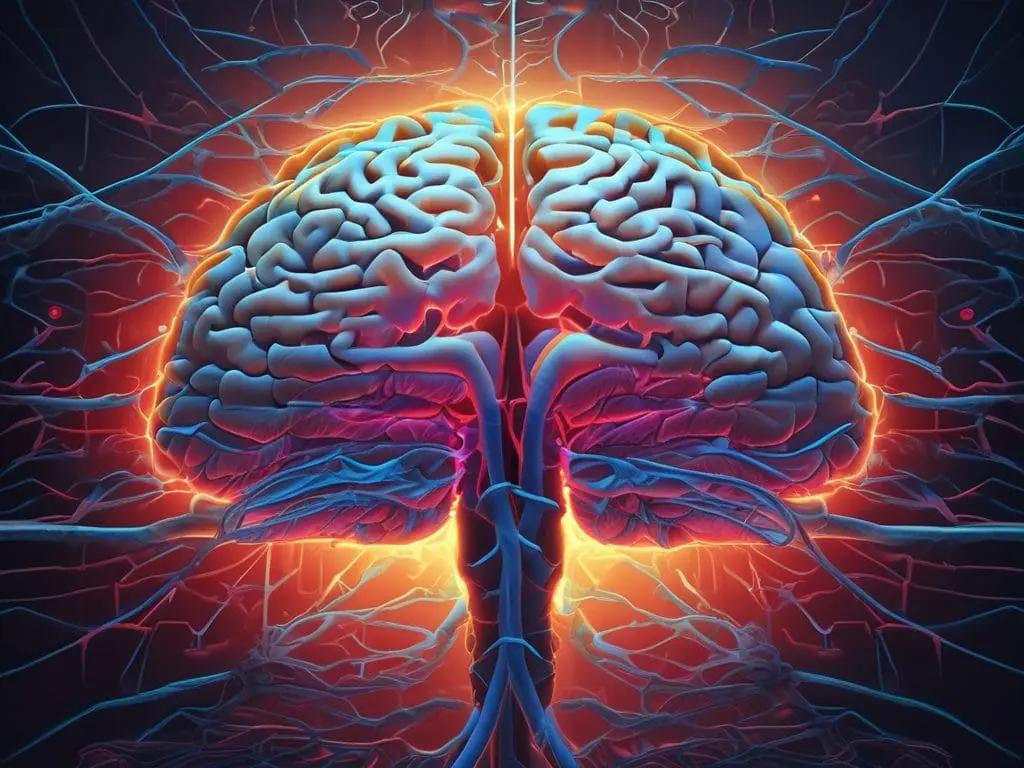
Quantum telepathy is a fascinating concept that merges the fields of quantum mechanics and telepathy, two seemingly unrelated disciplines. This emerging field of study is based on the idea that quantum entanglement, a phenomenon where two particles become intertwined and can instantaneously affect each other regardless of the distance between them, could potentially be harnessed for communication between individuals without the need for physical or verbal interaction.
One of the key principles underlying quantum telepathy is the second law of thermodynamics, which states that in a closed system, entropy, or disorder, will always increase over time. This law is crucial in understanding how quantum telepathy works, as it provides insights into the transfer of information between entangled particles.
In classical communication systems, information is typically encoded in bits, which are represented by either 0 or 1. However, in quantum communication, information can be encoded in quantum bits, or qubits, which can exist in a superposition of both 0 and 1 simultaneously. This superposition allows for the transmission of information in a more efficient and secure manner.
When two particles become entangled, their quantum states become linked, so any changes made to one particle will instantaneously affect the other particle, regardless of the distance between them. This phenomenon has been dubbed quantum entanglement, and it forms the basis of quantum telepathy.
From a thermodynamic perspective, the transfer of information between entangled particles can be understood as a reversible process that does not increase entropy. This is in stark contrast to classical communication systems, where the transfer of information typically leads to an increase in entropy.
The implications of the thermodynamics of quantum telepathy are vast and could potentially revolutionise the way we communicate with each other. By harnessing the power of quantum entanglement, we may be able to develop communication systems that are faster, more secure, and more energy-efficient than current technologies.
In conclusion, the thermodynamics of quantum telepathy provide valuable insights into the transfer of information between entangled particles. By understanding the principles of quantum entanglement and how they relate to thermodynamics, researchers may be able to unlock the full potential of quantum communication and revolutionise the way we communicate in the future.