
Tag: Psychology

  • Unleashing the Power of Belief: Transform Your Life With Your Thoughts

    Unleashing the Power of Belief: Transform Your Life With Your Thoughts

    Advertisements

    Belief in oneself is perhaps the most important belief we can hold. When we believe in ourselves, we are more likely to take risks, pursue our goals with tenacity, and overcome obstacles that stand in our way. The power of self-belief can push us to achieve things we never thought possible and can help us bounce back from failures with resilience and determination.

    Belief in our abilities is also crucial to our success. When we believe in our skills and talents, we are more likely to put in the effort required to develop them further and to reach our full potential. Without this belief, we may doubt ourselves, second-guess our actions, and ultimately limit our own growth and progress.

    Belief in our dreams is what fuels our passion and drives us towards our goals. When we believe in the possibility of our dreams coming true, we are more likely to pursue them relentlessly, even when the path is difficult or uncertain. This unwavering belief in the vision we have for our lives can help us overcome setbacks, stay focused on the bigger picture, and weather the storms that may come our way.

    Belief in something greater than ourselves – whether that be a higher power, a cause, or a community – can also bring us strength and purpose. When we believe in something beyond our own individual needs and desires, we are able to tap into a deeper sense of meaning and fulfilment. This belief can guide our actions, inspire us to make a positive impact in the world, and connect us to a larger sense of belonging and connectedness.

    In essence, belief is a powerful force that can shape our lives in profound ways. When we believe in ourselves, our abilities, our dreams, and in something greater than ourselves, we tap into a wellspring of strength, courage, and motivation that can propel us forward towards our highest potential. So, what do you believe in? And how is that belief shaping your reality? Remember, the power of belief is within you – harness it, nurture it, and watch as it transforms your life in extraordinary ways.

  • The Rise of Anti-White Sentiment in Europe

    The Rise of Anti-White Sentiment in Europe

    Advertisements

    One of the main drivers of anti-white sentiment in Europe is the resurgence of far-right movements and nationalist rhetoric. These groups often promote a narrative of white victimhood and scapegoat minority populations for social and economic issues. This us-versus-them mentality can fuel resentment towards white individuals who are seen as benefiting from privilege and power.

    Additionally, the rise of anti-white sentiment can also be linked to the increasing visibility of racial inequality and discrimination in European societies. As movements like Black Lives Matter have gained momentum, more attention has been drawn to the ways in which white supremacy operates and privileges certain groups over others. This increased awareness has led to a questioning of the status quo and a re-evaluation of white privilege.

    Furthermore, historical injustices, such as colonialism and slavery, continue to have lasting effects on communities of color in Europe. The legacy of these systems of oppression has contributed to a sense of collective guilt among some white individuals, leading to feelings of self-hatred and a desire to distance themselves from whiteness.

    It is important to acknowledge that the rise of anti-white sentiment does not mean that white individuals are the victims of discrimination in the same way that people of color are. Racism and prejudice against white people are not systemic and do not have the same destructive impact as racism against marginalized communities. However, it is essential to address the underlying issues that contribute to anti-white sentiment in order to create a more inclusive and equitable society for all.

    In conclusion, the rise of anti-white sentiment in Europe reflects a complex interplay of social, political, and historical factors. While it is crucial to challenge systems of oppression and promote equality for all, it is equally important to foster dialogue and understanding among different racial and ethnic groups. By addressing the root causes of anti-white sentiment, we can work towards a more just and inclusive society for everyone.

  • The Impact of Indoctrination on Individuals and Society

    The Impact of Indoctrination on Individuals and Society

    Advertisements

    At its core, indoctrination refers to the process of teaching a person or group to accept a set of beliefs without question. This can be done through formal education, religious teachings, political propaganda, or even through casual social interactions. The goal of indoctrination is usually to instil a particular ideology, perspective, or worldview in individuals, shaping their beliefs and behaviour accordingly.

    While indoctrination can be used for positive purposes, such as teaching moral values or promoting social cohesion, it can also be used to control and manipulate people. In some extreme cases, indoctrination can lead to radicalisation, where individuals are convinced to commit acts of violence in the name of a particular cause or belief.

    Indoctrination can also have a profound impact on society as a whole. When large groups of people are indoctrinated with the same beliefs, it can create a sense of division and polarisation between different groups. This can lead to conflict, discrimination, and even violence, as people become more entrenched in their own beliefs and less willing to consider alternative perspectives.

    One of the key dangers of indoctrination is the stifling of critical thinking and independent thought. When individuals are taught to accept beliefs without question, they are less likely to question authority, challenge dominant narratives, or think for themselves. This can lead to a narrowing of perspectives and a lack of empathy and understanding towards others who hold different beliefs.

    In order to combat the negative effects of indoctrination, it is important for individuals to cultivate critical thinking skills, encourage open and honest dialogue, and be willing to consider and engage with different perspectives. It is also crucial for institutions, such as schools and media outlets, to promote diversity of thought and provide a balanced and objective view of different issues.

    Indoctrination is a complex and multifaceted phenomenon that can have both positive and negative consequences. By understanding its impact and taking steps to counteract its negative effects, we can create a more tolerant, open-minded, and inclusive society for all.

  • Thanatos vs. Eros: Balancing the Forces of Life and Death in Psychology

    Thanatos vs. Eros: Balancing the Forces of Life and Death in Psychology

    Advertisements

    Thanatos, the Greek god of death, represents the unconscious urge towards self-destruction and the desire to return to a state of non-existence. This drive manifests itself in destructive behaviours, such as addiction, self-harm, or risky activities that put one’s life at risk. Thanatos is often associated with feelings of hopelessness, despair, and nihilism, and can be a powerful force in driving individuals towards self-destructive choices.

    On the other hand, Eros, the Greek god of love, represents the life-affirming drive towards pleasure, creativity, and connection with others. Eros is the force that propels individuals towards meaningful relationships, personal growth, and the pursuit of happiness. Eros is associated with feelings of fulfilment, joy, and purpose, and can be a powerful force in helping individuals find meaning and fulfilment in their lives.

    Balancing these two opposing forces is essential for mental health and well-being. When Thanatos dominates, individuals may find themselves stuck in a cycle of self-destructive behaviour or unable to find meaning and purpose in their lives. On the other hand, when Eros dominates, individuals may be overly focused on pleasure-seeking or avoiding conflict, leading to an imbalance in their emotional well-being.

    Psychotherapy and other forms of psychological treatment can help individuals better understand and navigate the complex interplay between Thanatos and Eros. By exploring the underlying motivations behind destructive behaviours and uncovering sources of joy and fulfilment, individuals can learn to achieve a healthier balance between the forces of life and death.

    Ultimately, finding a balance between Thanatos and Eros is crucial for psychological well-being and personal fulfilment. By acknowledging and addressing the unconscious forces that drive our behaviour, we can work towards living a more fulfilling and meaningful life. Embracing both the life-affirming energy of Eros and the self-destructive impulses of Thanatos can lead to a more integrated and authentic experience of being human.

  • Neurobiological Basis of Narcissism: Insights and Implications

    Neurobiological Basis of Narcissism: Insights and Implications

    Advertisements

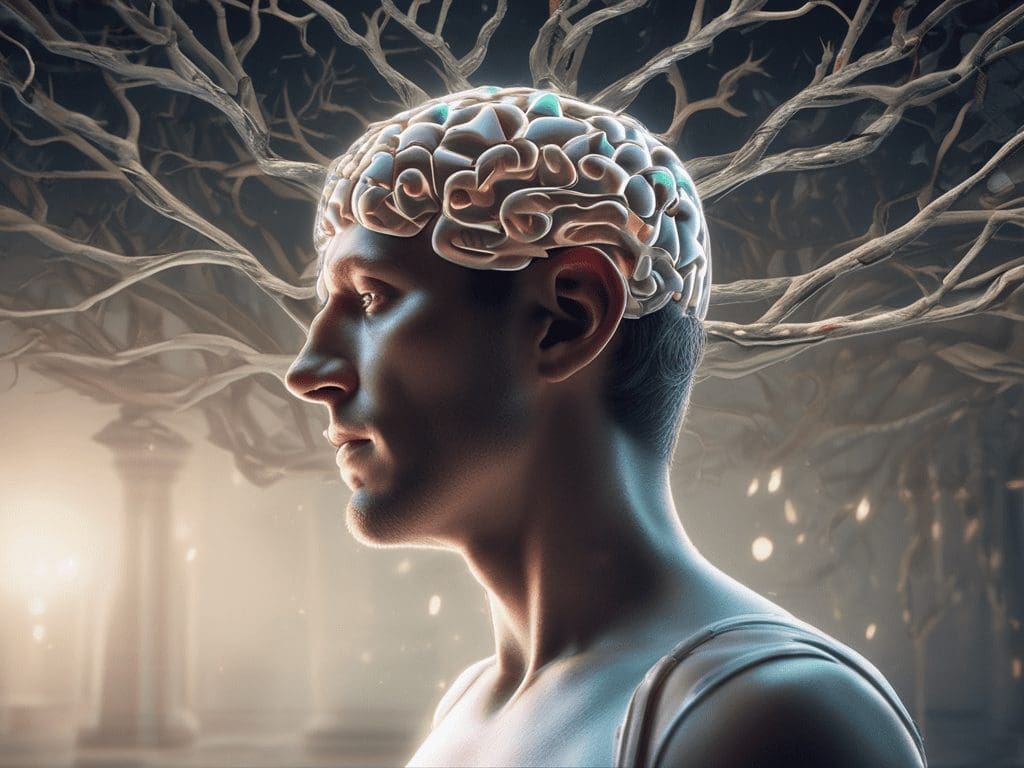
    Recent research has shed light on the neurobiological basis of narcissism, revealing that individuals with high levels of narcissism may have differences in brain structure and function compared to those with lower levels of narcissism. One study found that individuals with narcissistic traits have reduced grey matter volume in areas of the brain associated with empathy, such as the anterior insula and medial prefrontal cortex. This suggests that narcissistic individuals may have difficulty understanding and empathising with the emotions and perspectives of others.

    Furthermore, neuroimaging studies have shown that narcissistic individuals may have heightened activity in brain regions associated with reward and self-relevance, such as the ventral striatum and ventromedial prefrontal cortex, when they receive positive feedback or validation. This may explain why individuals with narcissistic traits are so motivated by praise and admiration, as these behaviours activate the brain’s reward system in a way that is not seen in individuals with lower levels of narcissism.

    Importantly, the neurobiological basis of narcissism highlights the fact that narcissism is not simply a character flaw or a choice, but rather a complex interplay of genetics, environment, and brain functioning. While it is easy to dismiss narcissistic individuals as selfish or vain, understanding the underlying neurobiology of narcissism can help us to develop more effective interventions and treatments for individuals struggling with pathological levels of narcissism.

    Ultimately, by studying the neurobiology of narcissism, we can gain insight into the underlying mechanisms that drive this complex personality trait and develop more targeted approaches to help individuals overcome the harmful consequences of extreme narcissism. By addressing narcissism from a neurobiological perspective, we can work towards promoting empathy, compassion, and healthy relationships in individuals with high levels of narcissistic traits.

  • The Importance of Cognitive Flexibility in Adapting to a Fast-Changing World

    The Importance of Cognitive Flexibility in Adapting to a Fast-Changing World

    Advertisements

    One of the key aspects of cognitive flexibility is being able to shift your mindset when faced with new information or challenges. This means being open to different possibilities and being willing to consider alternative viewpoints. For example, if you are working on a project and hit a roadblock, cognitive flexibility enables you to step back, reassess the situation, and come up with a new approach.

    Another important aspect of cognitive flexibility is the ability to multitask and switch between tasks seamlessly. This skill is particularly important in today’s digital age, where we are constantly bombarded with information and distractions. Being able to prioritise and focus on multiple tasks at once is essential for productivity and success.

    Cognitive flexibility is also closely linked to creativity and innovation. Being able to think outside the box and see things from different angles can lead to new ideas and solutions that may not have been considered before. This is especially important in fields such as technology, where innovation is key to staying ahead of the competition.

    So, how can you improve your cognitive flexibility? One way is to expose yourself to new experiences and challenges. Trying new things and stepping out of your comfort zone can help you develop new ways of thinking and problem-solving. Additionally, practising mindfulness and meditation can help improve your ability to focus and think clearly in the face of distractions.

    In conclusion, cognitive flexibility is a valuable skill that can help you navigate the complexities of modern life and thrive in a fast-paced and ever-changing world. By being open-minded, adaptable, and willing to learn new things, you can enhance your cognitive flexibility and unleash your full potential.

  • Influence of Violet Edwards: Cognitive Dissonance and Self-Efficacy

    Influence of Violet Edwards: Cognitive Dissonance and Self-Efficacy

    Advertisements

    One of Edwards’ most well-known theories is her theory of cognitive dissonance. Cognitive dissonance occurs when there is a discrepancy between a person’s beliefs and their actions, leading to feelings of discomfort and a desire to resolve the conflict. Edwards’ theory posits that individuals will seek to minimise this dissonance by either changing their beliefs or actions to align with one another. This theory has been instrumental in understanding how people navigate conflicting beliefs and behaviours, and has had implications for a wide range of areas including decision-making, persuasion, and attitude change.

    Another key theory developed by Edwards is her theory of self-efficacy. Self-efficacy refers to a person’s belief in their ability to successfully perform a specific task or achieve a desired outcome. According to Edwards, individuals with high self-efficacy are more likely to approach challenges with confidence and persistence, leading to greater success and personal satisfaction. This theory has had far-reaching implications for areas such as education, healthcare, and sports psychology, as it highlights the importance of building self-confidence and belief in one’s abilities.

    In addition to these key theories, Edwards has also made significant contributions to our understanding of motivation, personality, and social behaviour. Her work has had a profound impact on the field of psychology, influencing research, practice, and education in a variety of ways.

    Overall, Violet Edwards’ key theories have been instrumental in advancing our understanding of human behaviour and have had widespread implications for a variety of fields. Her work continues to inspire researchers and practitioners alike, and her legacy as a pioneering psychologist will undoubtedly endure for years to come.