In the world of quantum mechanics, the concept of superposition states that an object can exist in multiple states simultaneously until it is measured or observed. This idea has fascinated scientists and philosophers for decades, leading to groundbreaking discoveries and deep philosophical discussions about the nature of reality. But what if this idea of superposition could be applied to consciousness as well?
Advertisements
The idea of the superposition of consciousness suggests that our minds are not confined to a single state of awareness, but rather exist in multiple states simultaneously. This concept challenges traditional notions of the self and opens up a whole new realm of exploration into the interconnected nature of the human mind.
One of the key aspects of the superposition of consciousness is the interconnectedness of all our thoughts and experiences. Instead of viewing our minds as separate and distinct entities, this perspective suggests that our consciousness is part of a larger network that connects us to each other and the world around us. This interconnectedness allows for the sharing of thoughts, emotions, and experiences, creating a web of collective consciousness that transcends individual boundaries.
Furthermore, the superposition of consciousness challenges the idea of a fixed and stable sense of self. Instead of viewing ourselves as static and unchanging beings, this perspective suggests that our consciousness is constantly evolving and adapting to new experiences and understandings. Just as particles in superposition can exist in multiple states at once, our minds can also hold conflicting beliefs, emotions, and perceptions simultaneously, leading to a more dynamic and fluid sense of self.
Exploring the superposition of consciousness opens up a world of possibilities for understanding the human mind and its connection to the greater universe. It challenges us to rethink the nature of reality and our place within it, encouraging us to embrace the complexity and interconnectedness of our experiences.
So next time you find yourself pondering the mysteries of the universe, consider the idea of the superposition of consciousness. It may just lead you to a deeper understanding of yourself and the world around you.
Mental processes are the underlying mechanisms that enable us to perceive, think, and respond to the world around us. Our minds are constantly engaged in various mental activities that allow us to interact with our environment and make sense of our experiences. Understanding the different types of mental processes can provide insight into how our minds work and how we can optimise our cognitive abilities.
Advertisements
1. Perception
Perception is the process of organising and interpreting sensory information to create a meaningful understanding of the world. Our senses gather information from the environment, and our brain processes and interprets this information to construct a mental representation of our surroundings. Perception allows us to recognise objects, people, and events, and make sense of their meaning and significance.
2. Attention
Attention refers to the ability to selectively focus on specific stimuli while filtering out irrelevant or distracting information. It is crucial for information processing and cognitive control. We use attention to concentrate on important tasks, sustain our focus, and switch our attention between different stimuli as required. Attention can be conscious or unconscious, and its limitations can affect our ability to perform tasks efficiently and accurately.
3. Memory
Memory is the mental process that involves encoding, storing, and retrieving information. It allows us to retain past experiences, knowledge, and skills and use them for present and future situations. memory is not a single entity; it consists of different types such as sensory memory, short-term memory, and long-term memory. Each plays a distinct role in encoding different types of information and maintaining it for various durations.
4. Thinking and problem-solving
Thinking encompasses the mental processes involved in forming thoughts, organising information, and making decisions. It involves cognitive activities like reasoning, judgement, and critical thinking. Problem-solving is a particular type of thinking that involves finding solutions to complex and challenging tasks or situations. Our thinking processes can be influenced by various factors such as biases, emotions, and cultural influences.
5. Language and communication
Language is a unique mental process that enables us to communicate our thoughts, ideas, and emotions to others. It involves various linguistic abilities, including understanding, speaking, reading, and writing. Language provides us with a powerful tool for expressing ourselves, sharing knowledge, and connecting with others. The process of language acquisition and the ability to comprehend and produce coherent speech involve complex cognitive mechanisms.
6. Emotion and motivation
Emotion and motivation are closely related mental processes that drive our behaviour and influence our cognitive functions. Emotions shape our perceptions, thinking, and decision-making. They provide us with valuable information about the significance and relevance of our experiences. Motivation, on the other hand, propels us to take action and pursue goals. It affects our attention, memory, and problem-solving, and contributes to our overall well-being.
Conclusion
Understanding these different types of mental processes can help us gain insight into how our minds work, and how we can enhance our cognitive skills. By recognising the importance of perception, attention, memory, thinking, language, and emotion in our daily lives, we can make conscious efforts to optimise and improve our mental functioning. Whether it is improving our focus through mindfulness exercises, expanding our vocabulary to enhance communication, or developing problem-solving strategies, the knowledge of these mental processes empowers us to harness our cognitive abilities to their fullest potential.
The human mind is a remarkable tool capable of astonishing feats of logic, creativity, and understanding. However, it is not infallible, and there are distinct limitations to its abilities. In this blog post, we delve into the fascinating intricacies of the human mind and explore the boundaries that exist, preventing us from fully understanding the complexities of the world.
Advertisements
1. Cognitive Biases
One major limitation arises from our inherent cognitive biases. Our beliefs, experiences, emotions, and cultural backgrounds shape our thinking process, leading to confirmation bias, the tendency to favour information that confirms our pre-existing beliefs. This bias can hinder our ability to objectively analyse and comprehend new ideas or alternative perspectives. Recognising our biases and actively seeking diverse opinions can help mitigate this limitation.
2. Information Overload
In the digital age, we are bombarded with an overwhelming amount of information. While it is incredible to have access to vast knowledge, our minds struggle to process the sheer volume effectively. This results in cognitive overload, causing us to overlook important details and make errors in judgement. Developing efficient information filtering techniques and honing our critical thinking skills can help us navigate this limitation.
3. Limited Perception
Our perception of reality is limited by our sensory organs. We only perceive a fraction of the electromagnetic spectrum, hear a restricted range of sounds, and have limited taste and smell sensitivity. As a result, we may fail to comprehend the true nature of reality, including phenomena that exist beyond our perceptual capabilities. Science and technology, such as telescopes and microscopes, help extend our senses and overcome this limitation.
4. Memory Constraints
Memory is an essential cognitive function, but it has its limitations. Our memories are highly selective and prone to distortion. Details are forgotten or altered over time, and we often remember events through the lens of our emotions, leading to bias. The inability to recall or accurately store information can impede our understanding of past events and hinder our decision-making. Employing mnemonic techniques and understanding memory’s fallibility can aid in optimising our cognitive processes.
5. Complexity of Systems
Many aspects of the world, particularly in fields like physics, biology, and social sciences, exhibit highly complex systems. Human minds struggle to comprehend intricacies such as chaotic behaviour, feedback loops, or emergent properties. Our cognitive limitations prevent us from fully understanding complex systems, often leading to simplified or erroneous models. Collaborative efforts, interdisciplinary research, and computer simulations can assist in unravelling the mysteries of complex systems.
7.2. Acknowledge biases:Understand that human thinking is influenced by biases and preconceived notions, which can affect judgement and decision making.
7.3. Recognise memory limitations: Realise that human memory is imperfect and can lead to inaccuracies and distortions.
7.7. Embrace continuous learning: Cultivate a mindset of curiosity and continuous learning to overcome the limitations of the human mind.
7.8 Utilise tools and technologies: Leverage tools, techniques, and technologies to augment human cognitive abilities and compensate for limitations.
Conclusion
While the human mind possesses incredible abilities, it has inherent limitations that hinder our comprehensive understanding of the world. Cognitive biases, information overload, limited perception, memory constraints, and the complexity of systems pose challenges to our pursuit of knowledge. However, by acknowledging these limitations, embracing curiosity, and employing strategies to mitigate their impact, we can continue to push the boundaries of our understanding and unlock new frontiers of knowledge. Ultimately, it is through constant exploration and intellectual humility that we will expand our minds and bridge the gap between what we know and what remains unknown.
The human mind is a vast and intricate wonder. It is the driving force behind every innovation, every discovery, and every accomplishment in the world. From the greatest inventions to the most breathtaking works of art, it is the human mind that holds the potential to change the course of history.
Advertisements
So, what is it that sets the human mind apart? What differentiates it from the minds of other creatures on this planet? It is the sheer power of its creative and imaginative capacities. Human beings have the unique ability to visualise, analyse, and synthesise information, allowing them to transcend limitations and explore uncharted territories.
The potential of the human mind is not limited to a select few. It lies dormant within each and every one of us, waiting to be awakened and nurtured. Unfortunately, society often underestimates this incredible power, relegating it to a secondary role in favour of more tangible qualities such as physical strength or academic achievements. However, history has proven time and again that it is the power of the mind that has shaped civilisations, steered scientific breakthroughs, and fostered artistic revolutions.
When we tap into the potential of the human mind, we unlock infinite possibilities. We become capable of pursuing our passions, exceeding our own expectations, and making a lasting impact on the world. It is through the power of the human mind that we have achieved monumental feats such as landing on the moon, developing life-saving medical treatments, and creating masterpieces that evoke emotions transcending time and space.
To unleash the full potential of the human mind, we must foster an environment that nurtures curiosity, creativity, and critical thinking. This means encouraging exploration, embracing failure as an opportunity for growth, and promoting interdisciplinary learning. It means recognising that intelligence comes in various forms and that true genius cannot be measured solely by standardised tests or academic achievements.
Additionally, taking care of our overall well-being is crucial for maximising the potential of our minds. A healthy mind resides in a healthy body. Regular exercise, a balanced diet, and adequate sleep are all essential components of maintaining optimal mental performance. Engaging in activities that stimulate and challenge the mind, such as reading, solving puzzles, or learning a new skill, can also help expand our cognitive capacities.
Furthermore, mindfulness and meditation practices have shown to enhance brain function, improve focus and attention, and promote emotional well-being. These practices enable us to quiet the noise of the outside world and harness the limitless potential within us.
Quick Instructions for Daily Practice
1. Set clear goals and intentions.
2. Cultivate a positive mindset and belief in your abilities.
3. Practise mindfulness and meditation to enhance focus and clarity.
4. Engage in continuous learning and knowledge acquisition.
5. Developdiscipline and consistency in daily habits and routines.
7. Embrace failure as an opportunity for growth and learning.
8. Surround yourself with supportive and like-minded individuals.
9. Regularly engage in activities that stimulate creativity and imagination.
10. Regularly challenge your mind through puzzles, problem-solving, and critical thinking exercises.
Conclusion
In conclusion, the potential of the human mind is awe-inspiring. It is the key to our collective progress as a society and as individuals. By recognising and nurturing the incredible power of our minds, we can unlock the floodgates of creativity, innovation, and discovery. Let us embrace our inherent potential, dare to dream big, and shape the world with the incredible capabilities of our minds. The journey towards fulfilling our potential may be challenging, but the rewards are immeasurable: A life lived to the fullest, leaving a lasting impact on the world around us.
According to the Online Etymology Dictionary (n.d.a), the adjective “artificial” originates from 14c France meaning “not natural or spontaneous”, and it began to be used in the English language from 16c to describe “anything made in imitation of, or as a substitute for, what is natural”. The etymology of the noun “mind” is rooted in late 12c, when the word “mynd” was used to describe“that which feels, wills, and thinks; the intellect”(Online Etymology Dictionary, n.d.b); a derivation from the Old English word “gemynd” which encompassed the concepts of memory, conscience, intention, and purpose among other things. This essay explores the concept of “artificial minds”, some of its psychological perspectives and what all this reveals about human minds.
What is an artificial mind? Based on the above explained, if the word artificial has for centuries carried the meaning of imitation and substitution for- in this case- human nature; it is not surprising that some people have reported feeling afraid about the possibility of robots taking over the world (McDonald, 2019). Assuming that machines think in the same way as humans is like anthropomorphising (ascribing human qualities to nonhuman animals; Hewson, 2015). Yasemin J. Erden defined this phenomenon as “problem of other minds” in her chapter of Living Psychology: From the Everyday to the Extraordinary (2015, p. 109), where she posed the question“how do you know that the author of this chapter is a person?”. Her name is written as the author of the chapter, and the paragraphs are written in a meticulously eloquent manner. The content is highly specialised. Yet, the reader is invited to question all this, and to consider the possibility of her identity being robotic. Once her name is searched though, it can be seen that she is human, as well as a philosopher at St. Mary University in London (Google, n.d.). Nevertheless, her question should not be underestimated in any way, as there exist bots that can rigorously write essays for humans (Essaybot, n.d).
If mind is software and body is hardware (Computational modeling of the brain – Sylvain Baillet, 2016), does that mean that the two work independently? Descartes initially questioned whether matter (body) was the result of mind (imagination). He stated “I think, therefore I am”, claiming that body was a manifestation or hallucination of thought (Erden, 2015, pp. 111-112); and eventually evolved his perspective to say that mind and body are connected specifically through the pineal gland of the brain. Under the same token, dualist theorists believe that the strongest evidence for the existence of mind as a separate entity from brain is the concept of qualia- coined by Chalmers (1996) as cited in Erden (2015)- which encompasses the subjective, first-person experience of the individual. Erden illustrates this concept with an analogy of eating and enjoying chocolate (2015), explaining that one thing is to understand how the body absorbs and digests chocolate, and another thing is to enjoy the taste of it. Could a bot understand the experience of enjoyment? After all, not even some legislators seem to understand the concept of enjoyment in relation to- for example- human rights law (United Nations, n.d.; ECHR, 1950).
In contrast, materialist theorists claim that specific parts of the human brain are responsible for intelligent functions such as the processing of sensory inputs (stimuli), and the creation of responses (outputs; Erden, 2015, pp. 115-117). But, what is meant by intelligence? The answer to Alan Turing’s question (1950) cited in (Erden, 2015, pp. 120-121) “can machines think?” depends on the way the words “mind” and “thinking” are used (Erden, 2015, p. 122). For instance, the intelligent nature of human memory is highly complex (Prosecution Witness Janeen DeMarte Explains Why She Does Not Believe Jodi Arias’ Memory Fog Story, 2013). Could a machine learn to absorb, encode, store, and retrieve information similarly to a person? In order to understand this, Naoyuki Sato and Yogo Yamaguchi (2010) from Japan reviewed computational models of the hippocampi, the two organs of the brain mainly responsible for the formation of episodic memory (remembering what, where, and when). Their (Sato and Yamaguchi, 2010) evidence suggests that when the hippocampal system is damaged, the ability for self object-space processing is lost. Nevertheless, they state that more brain regions are involved in the process, and that models which can take into account more than one brain region simultaneously need to be developed.
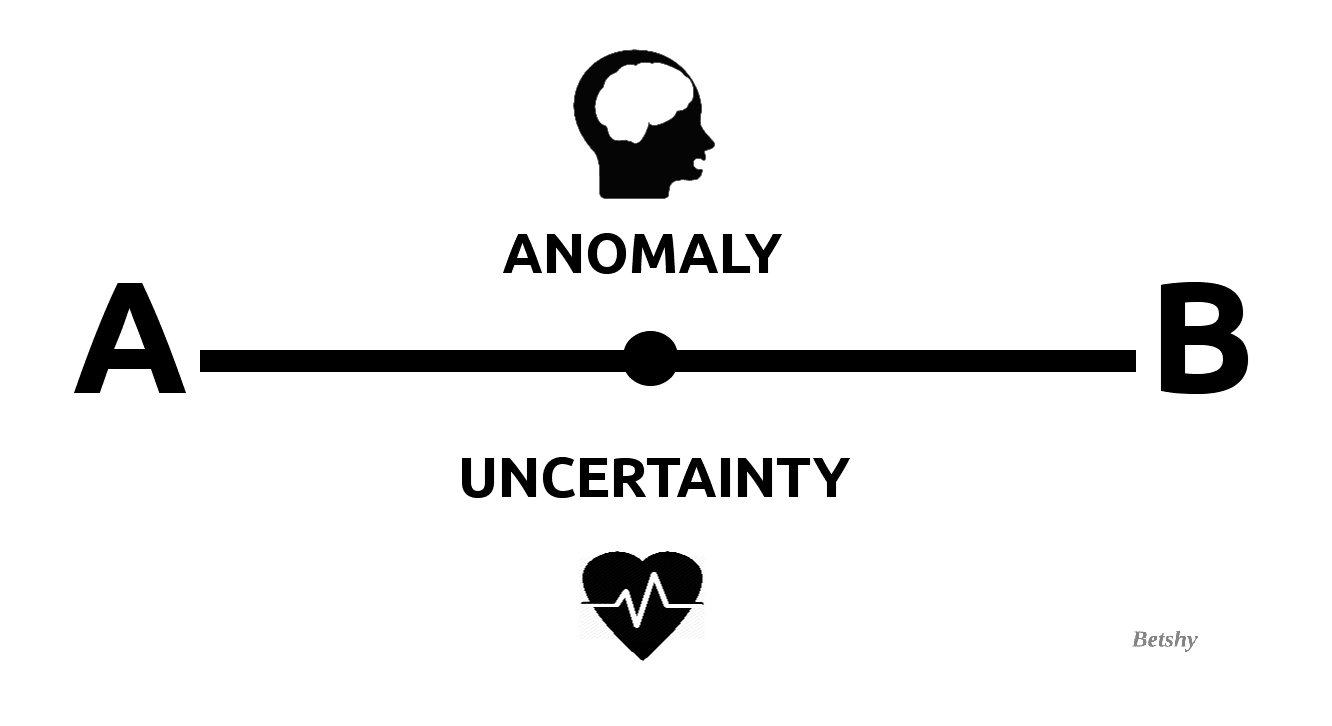
This is why one of the biggest challenges in computational modeling is to equip artificial minds and robotic bodies with proprioception (Erden, 2015), the human ability to position one’s body within timespace and context. Understanding such computational complications elucidates the everyday complexity of human nature (including perceptual, sensorimotor abilities; Erden, 2015). For humans, working their way from point A to point B in timespace can be relatively straightforward, and if uncertainties or anomalies arise, these can be dealt with successfully (e.g. avoiding an obstacle). However, with no hippocampus and no cognitive map on which to rely; robots find it overwhelming to understand the where, when, and what of situations; especially when it comes to unexpected contingencies or events. John McCarthy and Patrick Hayes (1969) cited in Erden (2015) called this phenomenon the frame problem. As a consequence, psychologists such as Aaron Sloman (The Open University, 2019b) have placed their emphasis on the computational modelling of the human information processing system. Erden (2015, p. 124) defines this framework as computational theory of mind (CTM), and the most advanced artificially intelligent robotic inventions are equipped with proprioceptive sensors which allow them to compute and interact with the world around them more competently (Erden, 2015). Nevertheless, Margaret Boden from the University of Sussex in England states that to model some mysterious processes such as creativity is difficult, because humans do not always understand how they do what they do (The Open University, 2019a).
To summarise, the concept of artificial minds has helped cognitive scientists understand the complex functions of everyday living in humans. Machines can indeed think, they just don’t think in the same way as humans. Human intelligence and its neuroscientific structure is not easy to model in full magnitude, and not all functions are clear enough to warrant replication. The human mind remains somewhat mysterious, and subjective experience remains an area for further research. Could this be what is meant by the philosophical latin concept of DEUS EX MACHINA? (GOD FROM THE MACHINE). The future is uncertain.
References
Computational modeling of the brain – Sylvain Baillet (2016) Youtube video, added by Serious Science [Online]. Available at https://www.youtube.com/watch?v=2oW6DN08wwE (Accessed 29 October 2019).
Council of Europe, European Convention on Human Rights, as amended by Protocols Nos. 11 and 14, ECHR, (4 November 1950) [Online]. Available at https://www.echr.coe.int/Documents/Convention_ENG.pdf (Accessed 28 October 2019).
Erden, Y. J. (2015) ‘Artificial minds’, in Turner, J., Hewson, C., Mahendran, K. and Stevens, P. (eds), Living Psychology: From the Everyday to the Extraordinary, Milton Keynes, The Open University, pp. 109-146.
EssayBot (n.d.) How It Works [Online]. Available at https://www.essaybot.com/ (Accessed 28 October, 2019)
Hewson, C., Ramsden P., and Turner, J. (2015) ‘Animal minds’, in Turner, J., Hewson, C., Mahendran, K. and Stevens, P. (eds), Living Psychology: From the Everyday to the Extraordinary, Milton Keynes, The Open University, pp. 63-99.
Prosecution Witness Janeen DeMarte Explains Why She Does Not Believe Jodi Arias’ Memory Fog Story (2013) Youtube video, added by PK Report [Online]. Available at https://www.youtube.com/watch?v=NlnoRHufmok (Accessed 29 October 2019).
Sato, N. and Yamaguchi, Y. (2010) ‘Simulation of Human Episodic Memory by Using a Computational Model of the Hippocampus’, Advances in Artificial Intelligence, Japan, Future University/ Brain Science Institute, pp. 1-11 [Online]. Available at http://downloads.hindawi.com/archive/2010/392868.pdf (Accessed 29 October, 2019).