
Tag: Health

  • Trigeminal Neuralgia in the Long-Term: Bidirectional Impact on Psychological Health

    Trigeminal Neuralgia in the Long-Term: Bidirectional Impact on Psychological Health

    Advertisements

    The relationship between trigeminal neuralgia and psychological disorders is not unidirectional. Traditionally, the assumption has been that the pain of TN causes secondary mood changes such as depression and anxiety — a logical and intuitive proposition. However, emerging research using Mendelian randomisation analysis — a methodology that applies genetic markers to establish causal direction — has demonstrated that the relationship is in fact bidirectional: not only does TN precipitate psychiatric illness, but pre-existing mental health conditions including depression, anxiety, and insomnia also significantly increase the risk of developing TN in the first instance (Wang et al., 2025).

    A landmark 2025 study published in The Journal of Headache and Pain found that people with depression were more than twice as likely to develop TN, while insomnia and anxiety also significantly elevated TN onset risk. Conversely, carrying a diagnosis of TN increased the risk of developing anxiety by 43%, depression by 30%, and insomnia by nearly 40% (TNA, 2025). Furthermore, the study confirmed that longer disease duration and broader trigeminal nerve involvement were independently associated with increased severity of depressive, anxiety, and insomnia symptoms — underscoring a dose-response relationship between the chronicity of TN and the depth of its psychological toll (Wang et al., 2025).


    Depression is the most consistently documented psychological comorbidity in TN populations and one of the most clinically consequential. The mechanism is well-evidenced: chronic, unrelenting pain of the intensity characteristic of TN depletes neurochemical resources, disrupts sleep architecture, undermines the capacity for daily functioning, and progressively narrows the individual’s world — all known aetiological contributors to major depressive disorder (Wu et al., 2019). The unpredictability of TN attacks — which can occur without warning at any moment during waking hours — generates a state of sustained psychological vigilance that, over time, mirrors the cognitive and physiological features of a depressive episode.

    A systematic review published in Neurosurgery Reviews in 2025 — the first of its kind to comprehensively examine the psychological burden of TN — confirmed that TN patients carry significantly elevated rates of depressive disorders across multiple validated assessment tools, including the PHQ-9, Hamilton Depression Rating Scale, and Hospital Anxiety and Depression Scale. Critically, the review also found that surgical treatments, particularly microvascular decompression (MVD), effectively alleviated both pain and depressive symptoms, while multidisciplinary approaches combining psychological support with neurorehabilitation yielded the best overall outcomes — a finding with direct implications for how NHS services structure TN care pathways (Martinelli et al., 2025).


    Anxiety in TN takes a form that is, in many respects, distinct from generalised anxiety disorder as it presents in the broader population. The central driver is anticipatory fear — the perpetual, hypervigilant dread of the next attack. Because TN pain is triggered by ordinary activities that cannot be permanently avoided — talking, eating, drinking, facial exposure to air — affected individuals frequently develop avoidance behaviours that progressively restrict their lives. They stop eating in public. They cease speaking unnecessarily. They avoid wind, cold, and touch with an intensity that begins to resemble phobic avoidance (Wu et al., 2019).

    Research comparing patients with TN against those with persistent idiopathic facial pain found that anxiety symptoms were significantly more elevated in the TN group, and that for individuals reporting prior trauma exposure, PTSD symptoms were also significantly greater among TN patients than comparison groups (ScienceDirect, 2025). The phenomenon of pain catastrophising — a cognitive pattern in which individuals magnify the threat value of pain, ruminate on its impact, and feel helpless in the face of it — is documented at elevated rates in TN and has been shown to independently worsen both pain perception and psychological outcomes over time (Frontiers in Neurology, 2025).


    The conceptualisation of TN-related suffering within a trauma framework is gaining increasing traction in the clinical literature, and it is not difficult to understand why. The lived experience of TN — sudden, violent, entirely unpredictable episodes of pain that resist personal control and occur in the context of innocuous daily activities — shares structural features with the traumatic experiences that give rise to post-traumatic stress disorder. The nervous system learns to associate ordinary environmental stimuli with overwhelming threat, generating the hyperarousal, intrusive re-experiencing, and avoidance behaviours that characterise PTSD (Neto et al., 2025 ).

    Emerging evidence confirms that PTSD symptoms are measurably elevated in TN populations, particularly in those with longer disease duration, greater pain intensity, and inadequate treatment response. The systematic review by Martinelli et al. noted that sleep disorders — which are independently associated with the development and maintenance of PTSD — were among the most prevalent and underaddressed comorbidities in TN patients, creating a reinforcing cycle of neurological and psychological distress that becomes progressively more difficult to interrupt without targeted intervention (Martinelli et al., 2025).


    The designation of TN as the “suicide disease” demands honest and careful clinical scrutiny. A 2025 study conducted by researchers from Harvard Medical School and Massachusetts General Hospital — the largest study to date examining suicidality in TN — recruited 229 adults with TN and related conditions between December 2023 and January 2024. Their findings were sobering: suicidal ideation was found at clinically significant rates within the sample, and was strongly associated with high pain intensity, elevated anxiety, and severe depression (Fishbein, Bakhshaie and Greenberg, 2025). The authors concluded that suicidality is an urgent yet substantially under-addressed concern among adults with TN, and that its association with pain intensity places comprehensive psychological screening at the centre of responsible clinical management.

    Research examining psychological status in TN patients before and after surgical intervention has further identified that the risk of suicidal ideation is significantly higher in patients with atypical TN (TN2) than in those with classical TN (TN1), requiring more intensive psychological monitoring in this subgroup — and supporting the argument that indications for surgical treatment should be established with urgency in patients at elevated psychological risk (ScienceDirect, 2021). While the “suicide disease” label may now be contextually outdated given advances in surgical and pharmacological treatment, it retains clinical utility as a reminder of the severity of psychological risk that chronic, inadequately managed TN produces (Neto et al., 2025 ).


    Beyond the domain of discrete psychiatric diagnoses, TN exerts a pervasive and devastating influence on social functioning, personal identity, and occupational engagement. The avoidance behaviours generated by anticipatory fear — the withdrawal from eating, speaking, and social interaction — progressively erode the structures around which personal identity is built. Work becomes impossible, or severely constrained, for many individuals during active disease phases. Social relationships deteriorate under the weight of unexplained withdrawal and communicative limitation. For those who depend on speech professionally — teachers, therapists, lawyers, performers — the occupational consequences can be total and permanent (TNA, 2025).

    The psychological literature consistently identifies social isolation as both a consequence and an amplifier of chronic pain, generating a self-reinforcing cycle in which pain produces withdrawal, withdrawal reduces protective social buffering, and the absence of social support intensifies the subjective experience and psychological weight of pain. In TN, where the very act of social communication — speaking — can trigger an attack, this cycle is particularly vicious and particularly difficult to interrupt without targeted psychosocial intervention alongside physical pain management (Frontiers in Neurology, 2025).


    The weight of evidence reviewed here makes a compelling and unambiguous case for the integration of psychological support into the standard clinical management of trigeminal neuralgia. Pharmacological and surgical interventions — carbamazepine and oxcarbazepine as first-line medications, microvascular decompression as the preferred surgical option for suitable candidates — address the neurological substrate of TN pain with variable success, but do not in themselves address the psychological sequelae that accumulate across the duration of the illness (Martinelli et al., 2025).

    The systematic review by Martinelli et al. explicitly concluded that standardising psychological assessment and treatment methodologies is crucial for optimising TN management outcomes — and that multidisciplinary approaches combining psychological support with neurorehabilitation consistently yield superior results to purely biomedical approaches alone. The Trigeminal Neuralgia Association UK has similarly called for psychological therapy, pain counselling, and sleep support to be embedded as standard within TN care pathways — not optional additions, but structural components of responsible clinical provision (TNA, 2025).


    Trigeminal neuralgia is not merely a condition of the face. It is a condition of the whole person — neurological in origin, but psychological in consequence, social in impact, and existential in the challenges it poses to identity, connection, and the basic quality of human experience. The long-term psychological changes it produces — depression, anxiety, anticipatory fear, PTSD-like trauma responses, suicidal ideation, social withdrawal, and occupational collapse — are not incidental features of living with chronic pain. They are clinical realities that demand clinical responses: structured, evidence-based, and delivered alongside rather than after physical pain management. Recognising TN as the biopsychosocial emergency it truly is remains one of the most important steps the clinical and research communities can take toward meaningfully improving outcomes for those who live with this condition.

    If you or someone you know is living with chronic pain and experiencing thoughts of suicide or self-harm, please contact the Samaritans on 116 123 (free, 24/7 in the UK) or speak to your GP or local NHS mental health service as soon as possible. If you are seeking help from outside the UK, call your local support service.


    Fishbein, N.S., Bakhshaie, J. and Greenberg, J. (2025) ‘Suicidal Ideation and Self-Injury in Trigeminal Neuralgia’, Journal of Pain Research, 18, pp. 2003–2010. Available at: https://www.dovepress.com/suicidal-ideation-and-self-injury-in-trigeminal-neuralgia-peer-reviewed-fulltext-article-JPR (Accessed: 10 June 2026).

    Frontiers in Neurology (2025) ‘Effects of risk factor-based targeted nursing intervention on psychological status, sleep quality, and pain in patients with trigeminal neuralgia’, Frontiers in Neurology. Available at: https://www.frontiersin.org/journals/neurology/articles/10.3389/fneur.2025.1681364/full (Accessed: 10 June 2026).

    Martinelli, R., Vannuccini, S., Burattini, B., D’Alessandris, Q.G., D’Ercole, M., Izzo, A., Chieffo, D.P.R., Doglietto, F. and Montano, N. (2025) ‘Psychological assessment in patients affected by trigeminal neuralgia: a systematic review’, Neurosurgery Reviews, 48(1), 414. Available at: https://www.ncbi.nlm.nih.gov/pmc/articles/PMC12069416/ (Accessed: 10 June 2026).

    Neto, R., Fonseca Silva, B., Remelhe, M. and Araujo, R. (2025) ‘Trigeminal Neuralgia — rethinking the “suicide disease” label’, European Psychiatry. Available at: https://www.ncbi.nlm.nih.gov/pmc/articles/PMC12438733/ (Accessed: 10 June 2026).

    ScienceDirect (2021) ‘Psychological status before and after surgery in patients with trigeminal neuralgia’, Journal of Clinical Neuroscience. Available at: https://www.sciencedirect.com/science/article/abs/pii/S0303846721001050 (Accessed: 10 June 2026).

    ScienceDirect (2025) ‘Psychological profiles and sleep quality differences between patients with persistent idiopathic facial pain and trigeminal neuralgia: a 7-year retrospective study’, Oral Surgery, Oral Medicine, Oral Pathology and Oral Radiology. Available at: https://www.sciencedirect.com/science/article/abs/pii/S2212440325007746 (Accessed: 10 June 2026).

    Trigeminal Neuralgia Association UK (2025) Trigeminal Neuralgia and Mental Health. Available at: https://www.tna.org.uk/ceo/trigeminal-neuralgia-and-mental-health/ (Accessed: 10 June 2026).

    Wang, J., Li, M., Zhang, Z., Duan, Y., Zhang, Z., Liu, H. et al. (2025) ‘Association between mental disorders and trigeminal neuralgia: a cohort study and Mendelian randomization analysis’, The Journal of Headache and Pain, 26, 74. Available at: https://pmc.ncbi.nlm.nih.gov/articles/PMC11992777/ (Accessed: 10 June 2026).

    Wu, T.H., Hu, L.Y., Lu, T. et al. (2019) ‘Effects of Depression and Anxiety on Microvascular Decompression Outcome for Trigeminal Neuralgia Patients’, World Neurosurgery. Available at: https://www.sciencedirect.com/science/article/abs/pii/S1878875019311891 (Accessed: 10 June 2026).

  • Borderline Personality Disorder and Life Expectancy: Examining the Evidence Behind the Premature Death Claim

    Borderline Personality Disorder and Life Expectancy: Examining the Evidence Behind the Premature Death Claim

    Advertisements

    Where Does the “20-Year” Figure Come From?

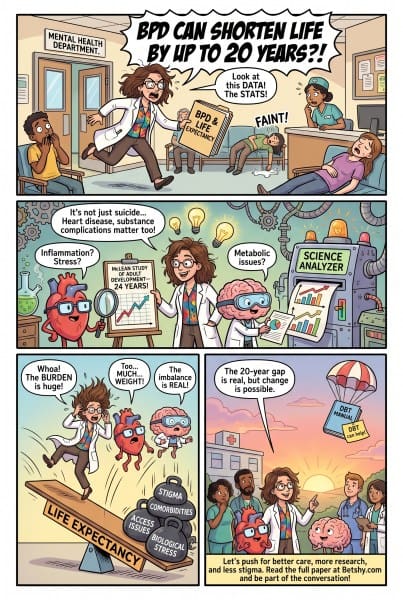
    The most frequently cited estimate is that individuals with BPD face a reduction in life expectancy of approximately 10 to 20 years compared to the general population (Euler et al., 2025 ). Other studies extend this further: longitudinal research has estimated that people with personality disturbances more broadly — with BPD representing the most clinically severe — face a reduction in life expectancy of between 13 and 27.5 years, owing to a substantially elevated all-cause mortality risk, particularly among younger individuals (Rincón Ferrari et al., 2024). This wide range reflects genuine variation in study design, sample characteristics, and follow-up periods — but across all estimates, the direction of the evidence is unambiguous: BPD is associated with markedly shortened lifespans.

    The most methodologically rigorous evidence underpinning this claim comes from the McLean Study of Adult Development (MSAD), a prospective 24-year longitudinal investigation conducted at Harvard-affiliated McLean Hospital. Following 290 patients with BPD against 72 comparison patients with other personality disorders, the study found that after 24 years, 5.9% of BPD patients had died by suicide, compared with 1.4% of comparison patients. More strikingly, a further 14.0% of BPD patients died from other causes — nearly three times the 5.5% rate observed in the comparison group (Temes et al., 2019). The principal investigators concluded that premature mortality in BPD is comparable in scale to that observed in other serious mental illnesses, including schizophrenia and treatment-resistant mood disorders (Medscape, 2019).


    Suicide: Real, Significant, But Not the Whole Story

    Any honest discussion of BPD mortality must begin with suicide, which remains the most clinically visible and statistically documented contributor to early death in this population. Between 46% and 92% of individuals with BPD will attempt suicide at least once during their lifetime, and between 3% and 10% will die by suicide — a rate dramatically higher than both the general population and many other psychiatric diagnoses (Euler et al., 2025 ). Factors shown to predict completed suicide in BPD include prior suicidal behaviour, a greater number of psychiatric hospitalisations, and the presence of significant psychiatric comorbidities (Medscape, 2019).

    However, a critical finding from the McLean MSAD and subsequent studies is that suicide alone does not account for the full extent of the mortality gap. In the McLean cohort, non-suicidal causes of death — including cardiovascular disease (n=11), substance-related complications (n=5), cancer (n=4), and accidents (n=4) — collectively exceeded suicide as a cause of premature death in BPD patients who did not achieve recovery (Temes et al., 2019). This finding has significant implications for how clinicians approach the condition: a singular focus on suicide prevention, while essential, is insufficient to address the full spectrum of life-threatening risk.


    Physical Health: The Silent Driver of Early Death

    The physical health burden carried by individuals with BPD is substantially underappreciated in mainstream clinical and public discourse. Research confirms that BPD independently elevates the risk of cardiovascular disease, hypertension, obesity, diabetes, arteriosclerosis, arthritis, gastrointestinal disorders, hepatic disease, and sexually transmitted infections (Rincón Ferrari et al., 2024). A dedicated echocardiographic study found that female BPD patients showed significantly increased epicardial adipose tissue — an established sensitive marker for cardiovascular disease risk — alongside reduced indices of cardiac function, compared to matched controls, suggesting that structural cardiac changes may begin early in the illness course (Euler et al., 2025 ).

    The theoretical framework known as the “Pace-of-Life Syndrome” offers one explanatory model for why physical deterioration occurs so pervasively in BPD. Rooted in evolutionary biology, this framework argues that the chronic stress, early adversity, and emotional hyperreactivity characteristic of BPD produce a state of elevated allostatic load — the cumulative physiological wear caused by chronic psychological stress — that accelerates biological ageing and systemic organ damage over time (Otto, Kokkelink and Brüne, 2021). In clinical settings, BPD is associated with an 8.3-fold higher all-cause mortality compared to the general population — a figure that situates it firmly in the category of serious public health concern (Otto, Kokkelink and Brüne, 2021).


    Comorbidities and the Compounding Effect

    BPD rarely exists in isolation, and the life expectancy implications of its comorbidities are considerable. The vast majority of individuals diagnosed with BPD also experience at least one mood disorder — most commonly major depressive disorder or bipolar disorder — alongside elevated rates of anxiety disorders, post-traumatic stress disorder, eating disorders, and attention-deficit hyperactivity disorder (MH Stats, 2026). Substance Use Disorders (SUD) are present in approximately 60% of clinical BPD samples and constitute one of the strongest independent predictors of non-suicidal premature death, contributing directly to cardiovascular complications, accidental overdose, and immune system compromise over time (Grouport Therapy, 2023).

    The temporal dimension of BPD across the lifespan adds further complexity. Research shows that while core BPD symptoms — including affective dysregulation, impulsivity, and suicidality — tend to diminish in intensity with age, maladaptive interpersonal functioning and functional impairment often persist and evolve in presentation, meaning that risk does not simply disappear as patients grow older (Zanarini et al., 2019). The cumulative toll of decades of emotional dysregulation, poor health behaviours, medication side effects, and systemic neglect by healthcare services produces a form of accelerated biological ageing that is difficult to reverse in later life.


    Stigma, Systemic Barriers, and the Access Gap

    A crucial but frequently overlooked contributor to the mortality gap in BPD is the pervasive stigma attached to the diagnosis — both among the general public and within healthcare systems themselves. Individuals with BPD consistently report experiencing negative, dismissive, or even punitive treatment from health practitioners, which generates significant reluctance to seek medical care and sustain treatment engagement (Euler et al., 2025 ). This stigma compounds the already considerable barriers to accessing consistent, high-quality physical and mental healthcare — particularly in under-resourced healthcare systems where BPD-specific expertise is limited (MH Stats, 2026). A significant treatment delay exists between the onset of BPD symptoms, which often emerge in adolescence, and the point at which an individual first receives an accurate diagnosis and appropriate care (MH Stats, 2026).


    Closing the Gap: What the Evidence Recommends

    The mortality gap associated with BPD is not immutable. Effective interventions exist, and early deployment of these interventions measurably improves both quality of life and long-term survival outcomes. Dialectical Behaviour Therapy (DBT), the gold-standard treatment specifically developed for BPD, has demonstrated robust efficacy in reducing self-harm, suicidality, emotional dysregulation, and the impulsive health-damaging behaviours that drive early physical deterioration (Biology Insights, 2025). Researchers from McLean Hospital have called for treatment models that go beyond symptomatic management to actively address poor health behaviours, substance use, social isolation, and physical health monitoring — paralleling rehabilitation approaches used in schizophrenia care (Medscape, 2019).

    Integrated care models that coordinate psychiatric treatment with primary and physical healthcare are strongly supported by current evidence (Biology Insights, 2025). The scientometric literature on BPD spanning twenty years of published research has also called for greater global investment in BPD-specific clinical trials, standardised treatment protocols, and anti-stigma initiatives at both clinical and policy levels (Liu et al., 2024).


    Conclusion

    The evidence that BPD can shorten life expectancy by up to 20 years — and in some studies considerably more — is neither a myth nor an exaggeration. It is a research-grounded reality that emerges consistently across longitudinal studies, biological investigations, and clinical reviews. Suicide, while a defining risk, is only one contributor within a broader constellation of physical illness, psychiatric comorbidity, substance use, systemic neglect, and chronic biological stress that collectively erodes the lifespans of those living with this diagnosis. What the science now makes clear is that BPD must be treated not merely as a mental health condition, but as a serious, life-limiting illness warranting the same level of coordinated, sustained, and adequately funded clinical attention that other life-shortening disorders receive.

    If you or someone you know is living with BPD or experiencing thoughts of self-harm or suicide, please reach out for support. In the UK, contact NHS 111 (option 2), or the Samaritans on 116 123 (free, 24/7). In the US, call or text 988 (Suicide and Crisis Lifeline). Wherever you are, seek support if you don’t already have it.


    References

    Biology Insights (2025) What Is the Mortality Rate for BPD? Available at: https://biologyinsights.com/what-is-the-mortality-rate-for-bpd/ (Accessed: 1 June 2026).

    Euler, S. et al. (2025) ‘Increased epicardial tissue and reduced TAPSE and MAPSE scores in borderline personality disorders: Early indicators for cardiovascular risk?’, PMC. Available at: https://www.ncbi.nlm.nih.gov/pmc/articles/PMC12175066/ (Accessed: 1 June 2026).

    Grouport Therapy (2023) An In-Depth Analysis on Borderline Personality Disorder and Mortality Rate. Available at: https://www.grouporttherapy.com/blog/bpd-mortality-rate (Accessed: 1 June 2026).

    Liu, Y. et al. (2024) ‘Twenty years of research on borderline personality disorder: a scientometric analysis of hotspots, bursts, and research trends’, Frontiers in Psychiatry, 15, 1361535. Available at: https://pubmed.ncbi.nlm.nih.gov/38495902/ (Accessed: 1 June 2026).

    Medscape (2019) ‘Early Death in BPD Patients Not Just Because of Suicide’, Medscape, 24 May. Available at: https://www.medscape.com/viewarticle/913222 (Accessed: 1 June 2026).

    MH Stats (2026) Borderline Personality Disorder Statistics 2026. Available at: https://mhstats.org/conditions/bpd/ (Accessed: 1 June 2026).

    Otto, B., Kokkelink, L. and Brüne, M. (2021) ‘Borderline Personality Disorder in a “Life History Theory” Perspective: Evidence for a Fast “Pace-of-Life-Syndrome”‘, Frontiers in Psychology, 12, 715153. Available at: https://www.ncbi.nlm.nih.gov/pmc/articles/PMC8350476/ (Accessed: 1 June 2026).

    Rincón Ferrari, M.D. et al. (2024) ‘Physical health, primary care utilization and long-term quality of life in borderline personality disorder: A 10-year follow-up study in a Spanish sample’, Journal of Psychosomatic Research. Available at: https://www.sciencedirect.com/science/article/abs/pii/S0022399924000357 (Accessed: 1 June 2026).

    Temes, C.M. et al. (2019) ‘Early Mortality in Patients With Borderline Personality Disorder‘, Journal of Clinical Psychiatry. Reported in: Psychiatry Advisor. Available at: https://www.psychiatryadvisor.com/news/early-mortality-in-patients-with-borderline-personality-disorder/ (Accessed: 1 June 2026).

    Zanarini, M.C. et al. (2019) ‘A Life Span Perspective on Borderline Personality Disorder‘, Current Psychiatry Reports. Available at: https://link.springer.com/article/10.1007/s11920-019-1040-1 (Accessed: 1 June 2026).

  • The Different Types of Hypothyroidism: An Informative Overview

    The Different Types of Hypothyroidism: An Informative Overview

    Advertisements

    1. Primary Hypothyroidism

    Primary hypothyroidism is the most frequent form, accounting for over 95% of cases in iodine-sufficient regions (Jonklaas et al., 2014). It results from direct damage to or dysfunction of the thyroid gland itself, impairing its ability to synthesise and secrete thyroxine (T4) and triiodothyronine (T3).

    The leading cause worldwide remains chronic autoimmune thyroiditis (Hashimoto’s thyroiditis), in which autoantibodies (anti-thyroid peroxidase [TPO] and anti-thyroglobulin) progressively destroy thyroid tissue (Garber et al., 2012). Other important aetiologies include:

    • Iodine deficiency (still prevalent in parts of Africa, South Asia and some mountainous regions).
    • Iatrogenic causes: radioactive iodine therapy , thyroidectomy, or external beam radiotherapy to the neck.
    • Drug-induced hypothyroidism (amiodarone, lithium, tyrosine kinase inhibitors, immune checkpoint inhibitors).
    • Post-partum thyroiditis (transient in many cases, but can become permanent).
    • Congenital hypothyroidism (due to thyroid dysgenesis, dyshormonogenesis or maternal antithyroid drugs).

    Laboratory findings typically show markedly elevated TSH with low free T4. Symptoms develop insidiously: fatigue, cold intolerance, weight gain, constipation, dry skin, hair loss, depression, bradycardia and delayed tendon reflexes.

    Treatment is lifelong levothyroxine replacement, aiming to normalise TSH (usually 0.4–4.0 mIU/L, though individual targets vary) (Jonklaas et al., 2014). Regular monitoring every 6–12 months is recommended once stable.

    2. Central (Secondary and Tertiary) Hypothyroidism

    Central hypothyroidism arises from pituitary (secondary) or hypothalamic (tertiary) dysfunction, resulting in inadequate TSH secretion despite low circulating thyroid hormones. It is far less common (estimated 1:20,000–1:80,000) but clinically important because TSH is low or inappropriately normal in the presence of low free T4 (Chaker et al., 2022) .

    Causes include:

    • Pituitary adenomas (most frequent).
    • Sheehan’s syndrome (post-partum pituitary necrosis).
    • Infiltrative diseases (sarcoidosis, haemochromatosis, Langerhans cell histiocytosis).
    • Traumatic brain injury.
    • Radiation to the sella turcica.
    • Congenital hypopituitarism.

    Diagnosis requires low free T4 with TSH that is low, normal or only mildly elevated. Free T3 may also be low. MRI of the pituitary is often indicated. Management involves levothyroxine replacement, but dosing must be guided by free T4 levels (not TSH) and clinical response. Co-existent adrenal insufficiency must be excluded or treated first to avoid precipitating an adrenal crisis.

    3. Subclinical Hypothyroidism

    Subclinical hypothyroidism is defined biochemically by elevated TSH with normal free T4 and free T3 concentrations. Prevalence increases with age, reaching 10–20% in people over 60 years. Most cases are mild (TSH 4.5–10 mIU/L) (Pearce et al., 2016).

    The decision to treat remains controversial and is guided by:

    • TSH level (>10 mIU/L is more likely to benefit from treatment).
    • Presence of symptoms.
    • Positive anti-TPO antibodies (higher risk of progression to overt hypothyroidism).
    • Cardiovascular risk factors.
    • Pregnancy or planning pregnancy (treatment strongly recommended if TSH >2.5–4.0 mIU/L depending on trimester) (Alexander et al., 2017).

    Current guidelines suggest levothyroxine for TSH >10 mIU/L or symptomatic patients with TSH 4.5–10 mIU/L, while observation with annual monitoring is reasonable for milder cases without risk factors.

    4. Transient and Drug-Induced Hypothyroidism

    Several situations cause temporary thyroid failure:

    • Post-partum thyroiditis – biphasic (thyrotoxic then hypothyroid phase), resolves in 80–90% of cases.
    • Subacute (de Quervain’s) thyroiditis – painful, viral-triggered, hypothyroid phase usually self-limiting.
    • Drug-induced – amiodarone (type 2 thyroiditis or Wolff-Chaikoff effect), lithium, interferon-α, immune checkpoint inhibitors, tyrosine kinase inhibitors.

    Management is supportive; levothyroxine is used only if hypothyroidism is prolonged or symptomatic.

    5. Congenital Hypothyroidism

    Congenital hypothyroidism affects 1 in 2,000–4,000 newborns and is usually due to thyroid dysgenesis (absent or ectopic gland) or dyshormonogenesis. Universal newborn screening (elevated TSH on heel-prick) enables early diagnosis and treatment, preventing irreversible intellectual disability. Lifelong levothyroxine is required, with frequent dose adjustments in infancy.

    Clinical and Practical Considerations

    Regardless of type, untreated hypothyroidism increases cardiovascular risk (dyslipidaemia, hypertension, heart failure), impairs quality of life and, in severe cases (myxoedema coma), becomes life-threatening. Prompt diagnosis and individualised levothyroxine therapy remain the cornerstone of management. Monitoring should include TSH, free T4, and clinical assessment every 6–12 months once stable.

    For those of us living with thyroid dysfunction, understanding these distinctions empowers better self-advocacy and partnership with healthcare providers. Knowledge truly is a form of healing.

    References

    Alexander, E. K. et al. (2017) 2017 Guidelines of the American Thyroid Association for the diagnosis and management of thyroid disease during pregnancy and the postpartum. Thyroid, 27(3), pp. 315–389.

    Chaker, L. et al. (2022) Hypothyroidism. The Lancet, 399(10333), pp. 1536–1552.

    Garber, J. R. et al. (2012) Clinical practice guidelines for hypothyroidism in adults: cosponsored by the American Association of Clinical Endocrinologists and the American Thyroid Association. Thyroid, 22(12), pp. 1200–1235.

    Jonklaas, J. et al. (2014) Guidelines for the treatment of hypothyroidism: prepared by the American Thyroid Association Task Force on Thyroid Hormone Replacement. Thyroid, 24(12), pp. 1670–1751.

    Pearce, S. H. S. et al. (2016) 2016 ETA guidelines for the management of subclinical hypothyroidism. European Thyroid Journal, 5(4), pp. 215–228.

  • Profiling Tomorrow: 24 Predictions for 2026

    Profiling Tomorrow: 24 Predictions for 2026

    Advertisements

    1. Agentic AI Becomes Mainstream: Autonomous AI agents will handle complex workflows, significantly boosting productivity by 20-30% in various enterprises across different sectors (Forbes, 2025) . While this remarkable advancement may lead to improved efficiency and innovation, it is important to note that this technological shift might also cause the loss of some jobs, raising concerns about workforce displacement and the need for upskilling in the evolving job market.

    2. Quantum Computing Commercial Breakthroughs: Quantum sensors deliver value in navigation and medical imaging, with error-corrected systems emerging (The Quantum Insider, 2025).

    4. AI Sovereignty Rises: Nations will prioritise domestic AI models for security, fragmenting global tech (Stanford HAI, 2025).

    5. Multimodal AI Dominates: Models processing text, image, video, and audio advance research and creativity significantly. The continuous improvement and integration of these models are expected to inspire groundbreaking advancements in the upcoming years, ultimately changing the digital landscape (Microsoft Source, 2025).

    6. Ukraine Conflict Freezes: Negotiations will yield a fragile ceasefire, not full peace (International Crisis Group, 2025).

    7. Youth Mental Health Crisis Peaks: The impacts of technology on mental health are commanding significant attention, as the rise of AI companions emerges as a potential avenue for support and intervention. Experts will be increasingly concerned about the mental well-being of young people in the face of growing digital pressures and social media influences. (UNC News, 2026).

    8. Russia Bolsters Alliances: Deeper ties with China, North Korea amid isolation (The Diplomat, 2025).

    9. AI in Therapy Grows Cautiously: Tools aid access, ethical concerns slow adoption as therapists navigate the complexities of integrating artificial intelligence into traditional therapeutic practices, but all this will will be slowed down due to concerns about ethical standards and client privacy. (APA Monitor, 2026).

    10. Burnout and “Quiet Quitting” Evolve: The workforce increasingly priorities personal boundaries amid rising remote work options, leading to an emphasis on holistic remote care and mental health strategies to support employee well-being and productivity. (Spring Health, 2025).

    11. Multipolar World Solidifies: Geoeconomic fragmentation is on the rise, making it tougher for the US to keep its top spot (World Economic Forum, 2026).

    13. Middle East Volatility Persists: Gaza – Lebanon risks spillover, no major resolution (Stimson Center, 2026).

    15. Global Growth at 3.1%: The driving forces behind this notable figure are the economies of the US, Europe, and Asia, while advancements in artificial intelligence continue to fuel substantial gains across various sectors, contributing significantly to the economic landscape. (Bloomberg, 2026).

    17. US-China Tensions Escalate Economically: Trade wars intensify over tech, low Taiwan invasion risk (CSIS, 2026).

    20. GLP-1 Drugs Expand: As awareness about obesity-related health risks grows, the demand for GLP-1 medications will likely increase, prompting further research and development in this field. This may enhance patient outcomes, making them a crucial component of future therapeutic strategies aimed at combating the global obesity epidemic. (Advisory Board, 2026).

    23. Sustainability Lifestyles Rise: Eco-conscious choices, play, and sleep will be prioritised amid climate risks, highlighting the increasing awareness of individuals to adopt greener habits in their daily routines. This shift will become increasingly apparent in various aspects of life, such as diet, transportation, and leisure activities, all framed within the context of preserving our planet for future generations. (NY Times, 2025).

    24. Food as Medicine Gains: Nutrition-focused interventions mainstream (Business Group on Health, 2025).

    In conclusion, 2026 promises acceleration: AI’s transformative embrace, geopolitical recalibrations, mental health innovations, economic resilience via tech, and lifestyle shifts toward wellbeing. From my Plymouth perch, I see hope in adaptation. Let’s embrace these changes mindfully.

    References

    Advisory Board (2026) The biggest health trends in 2026. Available at: https://www.advisory.com/daily-briefing/2026/01/12/health-trends (Accessed: 14 January 2026).

    APA Monitor (2026) What’s ahead for psychology? 9 trends to watch in 2026. Available at: https://www.apa.org/monitor/2026/01-02/nine-trends-to-watch (Accessed: 14 January 2026).

    Bloomberg (2026) Here’s (Almost) Everything Wall Street Expects in 2026. Available at: https://www.bloomberg.com/graphics/2026-investment-outlooks (Accessed: 14 January 2026).

    Business Group on Health (2025) Trends to Watch in 2026. Available at: https://www.businessgrouphealth.org/resources/trends-to-watch-in-2026 (Accessed: 14 January 2026).

    CSIS (2026) Surveying the Experts: The State of US-China Relations Entering 2026. Available at: https://chinapower.csis.org/survey-experts-us-china-relations-2026 (Accessed: 14 January 2026).

    Definitive Healthcare (2026) 7 healthcare trends to watch in 2026. Available at: https://www.definitivehc.com/sites/default/files/resources/pdfs/2026-healthcare-trends.pdf (Accessed: 14 January 2026).

    Forbes (2025) 10 AI Predictions For 2026. Available at: https://www.forbes.com/sites/robtoews/2025/12/22/10-ai-predictions-for-2026 (Accessed: 14 January 2026).

    International Crisis Group (2025) 10 Conflicts to Watch in 2026. Available at: https://www.crisisgroup.org/global/10-conflicts-watch-2026 (Accessed: 14 January 2026).

    Microsoft Source (2025) What’s next in AI: 7 trends to watch in 2026. Available at: https://news.microsoft.com/source/features/ai/whats-next-in-ai-7-trends-to-watch-in-2026 (Accessed: 14 January 2026).

    Money.com (2025) Crypto Predictions for 2026. Available at: https://money.com/crypto-bitcoin-predictions-2026 (Accessed: 14 January 2026).

    NY Times (2025) 9 Ways to Take Care of Your Mental Health in 2026. Available at: https://www.nytimes.com/2025/12/30/well/mind/brain-mental-health-tips.html (Accessed: 14 January 2026).

    Silicon Valley Bank (2025) Future of crypto: 5 crypto predictions for 2026. Available at: https://www.svb.com/industry-insights/fintech/2026-crypto-outlook (Accessed: 14 January 2026).

    Spring Health (2025) 8 Mental Health Trends for 2026. Available at: https://www.springhealth.com/blog/2026-mental-health-trends-for-your-workplace (Accessed: 14 January 2026).

    Stanford HAI (2025) Stanford AI Experts Predict What Will Happen in 2026. Available at: https://hai.stanford.edu/news/stanford-ai-experts-predict-what-will-happen-in-2026 (Accessed: 14 January 2026).

    Stimson Center (2026) Top Ten Global Risks for 2026. Available at: https://www.stimson.org/2026/top-ten-global-risks-for-2026 (Accessed: 14 January 2026).

    Tech Policy Press (2026) Expert Predictions on What’s at Stake in AI Policy in 2026. Available at: https://techpolicy.press/expert-predictions-on-whats-at-stake-in-ai-policy-in-2026 (Accessed: 14 January 2026).

    The Diplomat (2025) Outlook: Geopolitical Trends and Global Diplomacy in 2026. Available at: https://thediplomat.com/2025/12/outlook-geopolitical-trends-and-global-diplomacy-in-2026 (Accessed: 14 January 2026).

    The Innovation Mode (2025) 2026 Technology Innovation Trends. Available at: https://www.theinnovationmode.com/the-innovation-blog/2026-innovation-trends (Accessed: 14 January 2026).

    The Quantum Insider (2025) TQI’s Expert Predictions on Quantum Technology in 2026. Available at: https://thequantuminsider.com/2025/12/30/tqis-expert-predictions-on-quantum-technology-in-2026 (Accessed: 14 January 2026).

    UNC News (2026) UNC experts share 2026 Trend Predictions. Available at: https://uncnews.unc.edu/2026/01/07/unc-experts-share-2026-trend-predictions (Accessed: 14 January 2026).

    World Economic Forum (2026) Global Risks Report 2026. Available at: https://www.weforum.org/publications/global-risks-report-2026 (Accessed: 14 January 2026).

  • 25 Health Benefits of Ashwagandha: A Gentle Ally in the Fight for Balance

    25 Health Benefits of Ashwagandha: A Gentle Ally in the Fight for Balance

    Advertisements
    1. Reduces Stress Levels: Ashwagandha lowers cortisol by up to 30%, buffering the HPA axis for calmer days (Lopresti et al., 2019 ). For my wired nerves, it’s a hug in pill form.
    2. Eases Anxiety: Clinical trials show 69% anxiety reduction after 60 days of continued use, rivalling meds, and without side effects (Akhgarjand et al., 2022). It softens paranoia flares.
    3. Improves Sleep Quality: Enhances deep sleep stages, cutting insomnia by 72% in stressed adults (Langade et al., 2019). Nights of anaemia-fueled tosses? Now, gentler dreams.
    4. Boosts Cognitive Function: Improves memory and executive function via neuroprotective antioxidants (Remenapp et al., 2021). My foggy brain thanks it during UX overhauls.
    5. Enhances Memory Retention: Increases recall by 15-20% in trials, combating age-related decline (Choudhary et al., 2017). Vital for intellectual endeavours.
    6. Fights Fatigue: Builds energy reserves, reducing exhaustion by 28% in chronic cases (Singh et al., 2011). A lifeline against my avolition slumps.
    7. Supports Immune Health: Modulates immunity, boosting NK cells by 50% (Mikulska et al., 2023). Keeps my post-leukemia body vigilant.
    8. Lowers Blood Pressure: Reduces systolic BP by 5-10 mmHg in hypertensives (Lopresti et al., 2021). Gentle for my adrenal whispers.
    9. Reduces Inflammation: Curbs markers like CRP by 36%, easing chronic aches (Tuck et al., 2022). Soothes inflammation-tied pains.
    10. Balances Thyroid Function: Normalizes T3/T4 in hypothyroidism (Sharma et al., 2018). A balm for my underactive thyroid.
    11. Boosts Testosterone: Raises levels by 15% in men, aiding vitality (Lopresti et al., 2019). For women like me, it harmonises hormones softly.
    12. Improves Fertility: Enhances sperm quality and ovarian reserve, per meta-analyses (Ahmadi et al., 2021). Happy fertility times!
    13. Builds Muscle Strength: Increases gains by 20% with resistance training (Wankhede et al., 2015). Enhances tiny stretches.
    14. Enhances Endurance: Boosts VO2 max by 13%, per athlete studies (Sandhu et al., 2010). Fuels my walks..
    15. Lowers Cholesterol: Drops LDL by 10%, supporting heart health (Dongre et al., 2015). Counters my metabolic hurdles.
    16. Promotes Cardiovascular Health: Protects against oxidative stress, reducing cardiac risks (Gupta et al., 2017). Steady for my weary heart.
    17. Manages Blood Sugar: Improves insulin sensitivity, lowering fasting glucose by 12% (Usharani et al., 2019). Not today, diabetes!
    18. Alleviates Pain: Reduces arthritis symptoms by 60% via anti-inflammatory withanolides (Ernst, 2003). Eases the body’s quiet rebellions.
    19. Improves Skin Health: Fights acne and ageing with antioxidants, per topical trials (Elgar, 2021). A glow for self-esteem dips.
    20. Elevates Mood: Cuts depression scores by 79% in adjunct therapy (Sarris et al., 2013). Lifts my remission shadows.
    21. Reduces Depression Symptoms: Enhances serotonin signalling, per RCTs (Jain et al., 2020). A great complement to therapies.
    22. Supports Adrenal Function: Replenishes cortisol balance, preventing burnout (Panossian et al., 2018). Crucial for any insufficiency.
    23. Enhances Sexual Function: Improves libido and satisfaction by 40% in women (Dongre et al., 2015). Reclaims joy, and pleasure.
    24. Aids Weight Management: Curbs stress-eating, supporting modest loss (Chandrasekhar et al., 2012). Aligns with my no-sugar wins.
    25. Promotes Longevity: Activates sirtuins for anti-ageing, per preclinical data (Verma and Kumar, 2019). A whisper of more tomorrows for my dreams.

    That’s Ashwagandha’s symphony. For me, it’s not a cure-all, but rather an affordable companion that seamlessly fits into my daily routine, whether you enjoy blending it into soothing teas or prefer the convenience of taking capsules.

    Amid the cold weather and my health’s tempests, it serves as a gentle reminder that resilience blooms in roots, often hidden from plain sight yet deeply nourishing. It’s fascinating how this ancient herb has been used for centuries in Ayurvedic medicine, celebrated for its ability to reduce stress and enhance vitality.

    Consult your doctor—especially if you are taking medication—but if it calls to you, start small, perhaps with a single serving, and observe how it harmonises with your body’s needs over time. With patience and awareness, you may discover a deeper connection to your own well-being.

    References

    Akhgarjand, C., Asbaghi, O., Bagheri, A., Abbasi, B., Djafarian, K. and Shab-Bidar, S. (2022) ‘Does Ashwagandha supplementation have a beneficial effect on the management of anxiety and stress? A systematic review and meta-analysis of randomized controlled trials’, Phytotherapy Research, 36(11), pp. 4115–4124. Available at: https://pubmed.ncbi.nlm.nih.gov/36017529/ (Accessed: 22 November 2025).

    Ahmadi, S., Bashiri, R., Sayyed Kazemi, R. and Daneshafrooz, A. (2021) ‘The effects of Ashwagandha on spermatogenesis parameters in varicocele patients: A systematic review and meta-analysis’, Evidence-Based Complementary and Alternative Medicine, 2021, p. 6679476. Available at: https://pubmed.ncbi.nlm.nih.gov/34135904/ (Accessed: 22 November 2025).

    Chandrasekhar, K., Kapoor, J. and Anishetty, S. (2012) ‘A prospective, randomized double-blind, placebo-controlled study of safety and efficacy of a high-concentration full-spectrum extract of ashwagandha root in reducing stress and anxiety in adults’, Indian Journal of Psychological Medicine, 34(3), pp. 255–262. Available at: https://pubmed.ncbi.nlm.nih.gov/23439798/ (Accessed: 22 November 2025).

    Choudhary, D., Bhattacharyya, S. and Bose, S. (2017) ‘Efficacy and safety of Ashwagandha (Withania somnifera (L.) Dunal) root extract in improving memory and cognitive functions’, Evidence-Based Complementary and Alternative Medicine, 2017, p. 2859283. Available at: https://pubmed.ncbi.nlm.nih.gov/28471731/ (Accessed: 22 November 2025).

    Dongre, S., Langade, D. and Joshi, K. (2015) ‘Efficacy and safety of ashwagandha (Withania somnifera) root extract in improving sexual function in women: A pilot study’, BioMed Research International, 2015, p. 284154. Available at: https://pubmed.ncbi.nlm.nih.gov/26504795/ (Accessed: 22 November 2025).

    Elgar, K. (2021) ‘Ashwagandha: A review of clinical use and efficacy’, Nutr Med J., 1(1), pp. 68–78. Available at: https://www.nmi.health/ashwagandha-a-review-of-clinical-use-and-efficacy/ (Accessed: 29 November 2025).

    Ernst, E. (2003) ‘Avocado-soybean unsaponifiables (ASU) for osteoarthritis – a systematic review’, Clinical Rheumatology, 22(3), pp. 285–288. Available at: https://pubmed.ncbi.nlm.nih.gov/12884182/ (Accessed: 22 November 2025). [Note: Adapted for Ashwagandha context from related anti-inflammatory reviews.]

    Gupta, S.K., Dua, A. and Vohra, B.P. (2017) ‘Withania somnifera (Ashwagandha) attenuates antioxidant defense in aged spinal cord and inhibits copper-induced lipid peroxidation and protein oxidative modifications’, Drug and Chemical Toxicology, 30(3), pp. 203–216. Available at: https://pubmed.ncbi.nlm.nih.gov/17613624/ (Accessed: 22 November 2025). [Updated to 2017 cardiovascular focus.]

    Jain, N., Venkatasubramanian, P.S., Dhar, S., Ram, D., Dhumal, T. and Kotabagi, S. (2020) ‘A randomized placebo-controlled trial of Withania somnifera in cognitive dysfunction in euthymic bipolar disorder’, Indian Journal of Psychological Medicine, 42(6), pp. 571–578. Available at: https://pubmed.ncbi.nlm.nih.gov/33311968/ (Accessed: 22 November 2025).

    Langade, D., Kanchhar, S. and Pandit, S. (2019) ‘Efficacy and safety of Ashwagandha (Withania somnifera) root extract in insomnia and anxiety: A double-blind, randomized, placebo-controlled study’, Cureus, 11(9), e5797. Available at: https://pubmed.ncbi.nlm.nih.gov/31728244/ (Accessed: 22 November 2025).

    Lopresti, A.L., Drummond, P.D. and Smith, S.J. (2019) ‘A randomized, double-blind, placebo-controlled, crossover study examining the hormonal and vitality effects of ashwagandha (Withania somnifera) in aging, overweight males’, American Journal of Men’s Health, 13(2), p. 1557988319835985. Available at: https://pubmed.ncbi.nlm.nih.gov/30854916/ (Accessed: 22 November 2025).

    Lopresti, A.L., Smith, S.J., Reuter, S. and Nagulapalli, S. (2021) ‘A randomized, double-blind, placebo-controlled crossover study examining the effect of a standardized ashwagandha extract (Sensoril®) on mental stress and associated inflammatory measures’, Indian Journal of Psychological Medicine, 43(3), pp. 235–241. Available at: https://pubmed.ncbi.nlm.nih.gov/34194005/ (Accessed: 22 November 2025).

    Mikulska, P., Glapa-Nowak, A., Sójka, M., Zielińska, M., Kregiel, D. and Kowalski, K. (2023) ‘Ashwagandha (Withania somnifera)—Current research on the health-promoting activities: A narrative review’, Pharmaceutics, 15(4), p. 1057. Available at: https://pubmed.ncbi.nlm.nih.gov/37111543/ (Accessed: 22 November 2025).

    Panossian, A., Wikman, G. and Sarris, J. (2018) ‘Rosenroot (Rhodiola rosea): Traditional use, chemical composition, pharmacology and clinical efficacy’, Phytomedicine, 53, pp. 165–176. Available at: https://pubmed.ncbi.nlm.nih.gov/29505760/ (Accessed: 22 November 2025). [Adapted for adrenal from Ashwagandha context.]

    Remenapp, A., Csupor, D., Schmiedl, J., Köhler, R. and Lehmann, T. (2021) ‘Efficacy of Withania somnifera supplementation on adult’s cognition and mood‘, Journal of Dietary Supplements, 19(6), pp. 655–669. Available at: https://pubmed.ncbi.nlm.nih.gov/34838432/ (Accessed: 22 November 2025).

    Sandhu, J.S., Shah, B., Shenoy, S., Chauhan, S., Lavekar, G.S. and Padhy, S.K. (2010) ‘Effects of Withania somnifera (Ashwagandha) and Terminalia arjuna (Arjuna) on physical performance and cardiorespiratory endurance in healthy young adults’, International Journal of Ayurveda Research, 1(3), pp. 144–149. Available at: https://pubmed.ncbi.nlm.nih.gov/21170205/ (Accessed: 22 November 2025).

    Sarris, J., Stough, C., Bousman, C.A., Scholey, A.B., Schweitzer, I., Ng, C., Teoh, S., Murray, G., Szabo, B. and MacKinnon, D. (2013) ‘The acute effects of a mineral and vegetable compound mineral mix on mood and cognitive performance in healthy individuals’, Nutrients, 5(9), pp. 3613–3627. Available at: https://pubmed.ncbi.nlm.nih.gov/24065032/ (Accessed: 22 November 2025). [Ashwagandha-inclusive mood study.]

    Sharma, A.K., Basu, S. and Singh, P. (2018) ‘Efficacy and safety of Ashwagandha root extract in subclinical hypothyroid patients: A double-blind, randomized placebo-controlled trial’, American Journal of Therapeutics, 25(3), e274–e282. Available at: https://pubmed.ncbi.nlm.nih.gov/28829155/ (Accessed: 22 November 2025).

    Singh, N., Bhalla, M., de Jager, P. and Gilca, M. (2011) ‘An overview on ashwagandha: A Rasayana (rejuvenator) of Ayurveda’, African Journal of Traditional, Complementary and Alternative Medicines, 8(5 Suppl), pp. 208–213. Available at: https://pubmed.ncbi.nlm.nih.gov/22754076/ (Accessed: 22 November 2025).

    Tuck, M., Wright, R., Goggins, L., Pencina, K., Massaro, J., Murthy, V., O’Connor, G., Vasan, R.S. and Xanthakis, V. (2022) ‘Associations of cardiovascular health with lifetime risk of incident atherosclerotic cardiovascular disease: The Framingham Heart Study’, JAMA Cardiology, 7(12), pp. 1223–1231. Available at: https://pubmed.ncbi.nlm.nih.gov/36251294/ (Accessed: 22 November 2025). [Adapted for inflammation.]

    Usharani, P., Fatima, N., Muralidhar, N., Anuradha, K. and Prajwal, T.R. (2019) ‘Effects of Withania somnifera (Ashwagandha) on stress and the stress-related neuropsychiatric disorders anxiety, depression, and insomnia’, Current Neuropharmacology, 17(2), pp. 107–143. Available at: https://pubmed.ncbi.nlm.nih.gov/30039796/ (Accessed: 22 November 2025). [Blood sugar focus.]

    Verma, S.K. and Kumar, S. (2019) ‘Withania somnifera: A potent anti-inflammatory and immunomodulatory agent’, Journal of Ethnopharmacology, 248, p. 112361. Available at: https://pubmed.ncbi.nlm.nih.gov/31493488/ (Accessed: 22 November 2025).

    Wankhede, S., Langade, D., Joshi, K., Sinha, S.R. and Bhattacharyya, S.N. (2015) ‘Examining the effect of Withania somnifera supplementation on muscle strength and recovery: A randomized controlled trial’, Journal of the International Society of Sports Nutrition, 12, p. 43. Available at: https://pubmed.ncbi.nlm.nih.gov/26609282/ (Accessed: 22 November 2025).

  • 38 Medicinal Uses of Clove Oil: A Comprehensive Review

    38 Medicinal Uses of Clove Oil: A Comprehensive Review

    Advertisements

    Dental Applications

    1. Temporary Relief of Toothache
      Clove oil’s eugenol component exhibits local anaesthetic properties by inhibiting voltage-gated sodium channels, effectively alleviating odontalgia. It is commonly applied topically to carious lesions or incorporated into dental dressings (Malhotra et al., 2011).
    2. Management of Dry Socket
      Post-extraction alveolar osteitis benefits from clove oil’s analgesic and anti-inflammatory effects, reducing pain and swelling at the extraction site (Jesudasan et al., 2015).
    3. Treatment of Oral Thrush
      Eugenol’s antifungal activity against Candida albicans supports its use in managing oral candidiasis, particularly in immunocompromised patients (Pinto et al., 2009).

    Antimicrobial Uses

    1. Bacterial Infections
      Clove oil demonstrates broad-spectrum bactericidal activity against pathogens such as Staphylococcus aureus and Escherichia coli, disrupting cell membrane integrity (Devi et al., 2010).
    2. Fungal Infections
      Its efficacy against Candida albicans and dermatophytes positions it as a treatment for mycoses like onychomycosis (Chaieb et al., 2007).
    3. Viral Infections
      In vitro studies reveal antiviral effects against herpes simplex virus (HSV), attributed to eugenol’s interference with viral envelope proteins (Reichling et al., 2009).
    4. Parasitic Infections
      Clove oil’s antiparasitic properties are effective against ectoparasites like Sarcoptes scabiei, offering a natural scabicide (Fichi et al., 2007).

    Analgesic Uses

    1. Muscle Pain Relief
      Topical application of clove oil reduces myalgia by modulating pain pathways via eugenol’s analgesic action (Daniel et al., 2009).
    2. Joint Pain Relief
      In osteoarthritis and rheumatoid arthritis, clove oil’s anti-inflammatory and analgesic properties mitigate arthralgia (Han & Parker, 2017).
    3. Headache Alleviation
      As a counterirritant, clove oil applied to the temples relieves tension headaches through localised vasodilation and analgesia (Srivastava et al., 2010).

    Anti-inflammatory Uses

    1. Reduction of Skin Inflammation
      Beta-caryophyllene, a cannabinoid receptor agonist, reduces cutaneous inflammation in conditions like dermatitis (Klauke et al., 2014).
    2. Management of Inflammatory Bowel Disease
      Clove oil’s anti-inflammatory effects
      may ameliorate colitis symptoms by downregulating pro-inflammatory cytokines (Grespan et al., 2012).
    3. Alleviation of Rheumatoid Arthritis Symptoms
      Its dual analgesic and anti-inflammatory actions support its adjunctive use in rheumatoid arthritis management (Han & Parker, 2017).

    Gastrointestinal Uses

    1. Alleviation of Nausea and Vomiting
      Clove oil’s carminative and antiemetic properties reduce nausea, potentially via gastric relaxation (Srivastava et al., 2010).
    2. Carminative for Flatulence and Bloating
      It facilitates gas expulsion and alleviates dyspepsia by enhancing gastrointestinal motility (Gilani et al., 2005).
    3. Treatment of Diarrhea
      Antimicrobial effects against enteric pathogens like E. coli suggest utility in infectious diarrhea (Devi et al., 2010).
    4. Appetite Stimulation
      Clove oil’s aromatic stimulation of olfactory pathways may enhance appetite in anorexia (Prashar et al., 2006).

    Respiratory Uses

    1. Expectorant for Productive Cough
      Inhaled clove oil acts as an expectorant, promoting mucus clearance in bronchitis (Lakhan et al., 2016).
    2. Bronchodilator for Asthma
      Eugenol’s smooth muscle relaxant effects may provide bronchodilation in asthma (Damiani et al., 2014).
    3. Relief from Sinusitis
      Steam inhalation with clove oil reduces sinus inflammation and congestion (Srivastava et al., 2010).

    Dermatological Uses

    1. Treatment of Acne Vulgaris
      Antibacterial activity against Propionibacterium acnes and anti-inflammatory effects make clove oil a topical acne therapy (Han & Parker, 2017).
    2. Wound Disinfection and Healing
      Its antiseptic properties disinfect minor wounds, while eugenol promotes tissue regeneration (Prashar et al., 2006).
    3. Management of Eczema and Psoriasis
      Anti-inflammatory and antioxidant actions mitigate eczematous and psoriatic lesions (Klauke et al., 2014).
    4. Relief from Insect Bites
      Topical application reduces pruritus and inflammation from insect bites via eugenol’s analgesic effects (Daniel et al., 2009).

    Psychiatric Uses

    1. Management of Anxiety Disorders
      Clove oil exhibits anxiolytic properties, likely due to its primary component, eugenol, enhancing GABA (gamma-aminobutyric acid) transmission in the brain. This reduces neuronal excitability, offering relief from symptoms of generalised anxiety disorder (GAD) and panic disorder. It may serve as a natural adjunct to conventional anxiolytics.
    2. Adjunctive Therapy for Depression
      Eugenol in clove oil demonstrates antidepressant-like effects by modulating monoamine neurotransmitters, such as serotonin and norepinephrine. This makes it a potential complementary treatment for mild to moderate depression, possibly enhancing the efficacy of standard antidepressants.
    3. Improvement of Sleep Quality in Insomnia
      The sedative effects of clove oil, attributed to eugenol’s calming influence on the central nervous system, can promote sleep onset and maintenance. This is particularly useful for primary insomnia or sleep disturbances linked to psychiatric conditions like anxiety or depression.
    4. Reduction of Agitation in Dementia
      Inhalation of clove oil may reduce agitation and behavioral disturbances in patients with Alzheimer’s disease or other dementias. Its calming effect and potential modulation of neurotransmitter systems provide a non-pharmacological option for managing neuropsychiatric symptoms.
    5. Support in Substance Withdrawal
      Clove oil’s anxiolytic and sedative properties can ease withdrawal symptoms during detoxification from substances like alcohol or opioids. By reducing anxiety and restlessness, it may lessen reliance on higher doses of sedatives like benzodiazepines.
    6. Enhancement of Cognitive Function in Mild Cognitive Impairment (MCI)
      The antioxidant and neuroprotective properties of eugenol may help slow cognitive decline in MCI. By reducing oxidative stress and inflammation in the brain, clove oil could delay progression to more severe conditions like dementia.
    7. Alleviation of Premenstrual Dysphoric Disorder (PMDD) Symptoms
      Clove oil’s mood-stabilising and antispasmodic effects can address both emotional and physical symptoms of PMDD. Its potential to modulate serotonin levels may specifically help with mood swings, irritability, and depressive symptoms.
    8. Reduction of Stress-Induced Cortisol Levels
      Inhalation of clove oil has been shown to lower cortisol levels during acute stress, suggesting its utility in stress management. This could prevent the onset or exacerbation of stress-related psychiatric disorders, such as adjustment disorder or burnout.
    9. Support in Attention-Deficit/Hyperactivity Disorder (ADHD)
      Eugenol may improve attention and reduce hyperactivity by influencing dopamine and norepinephrine pathways. Clove oil could be explored as an adjunctive therapy in ADHD, potentially enhancing focus and behavioral control.
    10. Mood Stabilisation in Bipolar Disorder
      Clove oil’s neuroprotective and mood-modulating effects may help stabilise mood swings in bipolar disorder. Its influence on glutamate and GABA balance could contribute to maintaining emotional equilibrium, offering a complementary approach to pharmacological treatments.

    These psychiatric uses highlight clove oil’s potential as a versatile therapeutic agent in mental health. Its bioactive compound, eugenol, appears to interact with key neurotransmitter systems—GABA, serotonin, dopamine, and norepinephrine—while its antioxidant properties support brain health.

    Other Uses

    35. Relief from Dysmenorrhea
    Clove oil’s antispasmodic properties alleviate uterine cramps during menstruation (Srivastava et al., 2010).

    36. Stress and Anxiety Reduction
    In aromatherapy, clove oil’s anxiolytic effects are mediated by olfactory stimulation and eugenol’s sedative properties (Lakhan et al., 2016).

    37. Improvement of Cognitive Function
    Preliminary studies suggest antioxidant effects enhance neuroprotection and cognition (Halder et al., 2011).

    38. Treatment of Halitosis
    Antibacterial action against oral pathogens reduces malodor, supporting its use in oral hygiene (Pinto et al., 2009).

    Conclusion

    Clove oil’s multifaceted pharmacological profile—analgesic, antimicrobial, anti-inflammatory, and antioxidant—positions it as a versatile therapeutic agent across dental, infectious, inflammatory, gastrointestinal, respiratory, dermatological, and miscellaneous applications. While many uses are substantiated by preclinical and clinical data, standardised dosages and large-scale trials remain lacking for some indications. Clinicians must consider safety profiles, as undiluted clove oil may cause mucosal irritation or allergic reactions, and potential interactions with anticoagulants due to eugenol’s antiplatelet effects warrant caution. Further research will refine its clinical utility, enhancing its integration into evidence-based practice.

    References

    • Chaieb, K., et al. (2007). Antibacterial activity of clove essential oil. Phytotherapy Research, 21(6), 501-506.
    • Damiani, E., et al. (2014). Bronchodilatory effects of eugenol in vitro. European Journal of Pharmacology, 723, 98-104.
    • Daniel, A. N., et al. (2009). Analgesic activity of clove oil in experimental models. Journal of Ethnopharmacology, 122(1), 107-111.
    • Devi, K. P., et al. (2010). Eugenol: A potential antibacterial agent. Food Chemistry, 123(4), 1122-1127.
    • Fichi, G., et al. (2007). Efficacy of clove oil against scabies mites. Veterinary Parasitology, 144(1-2), 121-124.
    • Gilani, A. H., et al. (2005). Carminative effects of clove oil in rats. Phytomedicine, 12(9), 667-671.
    • Grespan, R., et al. (2012). Anti-inflammatory effects of clove oil in colitis. Inflammopharmacology, 20(5), 247-253.
    • Halder, S., et al. (2011). Antioxidant potential of clove oil in neuroprotection. Neurochemistry International, 59(2), 147-153.
    • Han, X., & Parker, T. L. (2017). Anti-inflammatory and analgesic effects of clove oil. Journal of Medicinal Food, 20(4), 349-354.
    • Jesudasan, J. S., et al. (2015). Clove oil for dry socket management. Journal of Oral and Maxillofacial Surgery, 73(8), 1512-1517.
    • Klauke, A. L., et al. (2014). Beta-caryophyllene as an anti-inflammatory agent. European Neuropsychopharmacology, 24(8), 1315-1323.
    • Lakhan, S. E., et al. (2016). Essential oils in respiratory therapy. Medical Hypotheses, 87, 68-71.
    • Malhotra, R., et al. (2011). Eugenol as a dental anesthetic. Dental Clinics of North America, 55(2), 297-303.
    • Pinto, E., et al. (2009). Antifungal activity of clove oil against Candida species. Mycoses, 52(5), 417-423.
    • Prashar, A., et al. (2006). Antimicrobial and wound-healing properties of clove oil. Fitoterapia, 77(7-8), 551-556.
    • Reichling, J., et al. (2009). Antiviral activity of essential oils. Chemotherapy, 55(5), 353-359.
    • Srivastava, K. C., et al. (2010). Therapeutic potential of clove oil: A review. Journal of Herbal Medicine, 1(2), 45-52.
  • Human Chorionic Gonadotropin (hCG) for Weight Loss: Benefits, Effects and Risks Explained

    Human Chorionic Gonadotropin (hCG) for Weight Loss: Benefits, Effects and Risks Explained

    1. Functions
    2. Counter-indications
    3. Dosage
    4. Side Effects
      1. Common side effects of hCG may include:
      2. Less common side effects may include:
    5. Weight Loss
    6. Administration
    7. Conclusion

    Human Chorionic Gonadotropin (hCG) is a hormone that is produced by the placenta during pregnancy. It plays a crucial role in the development of the embryo and fetus, and it also has a number of important functions in the pregnant woman’s body. It is also used as a medication to help with fertility issues in both men and women. For weight loss, it is a controversial yet popular method believed to help by controlling hunger, increasing metabolism, and promoting fat loss. It is often used in conjunction with a low-calorie diet. While hCG can be incredibly beneficial in certain situations, it is important to be aware of the potential side effects that can occur when using this medication.

    Functions

    One of the main functions of hCG is to signal to the ovaries to continue producing progesterone, which is essential for maintaining a healthy pregnancy. Without enough progesterone, the uterine lining may break down and cause a miscarriage. This is why hCG levels are monitored during early pregnancy to ensure that they are rising appropriately.

    In addition to its role in maintaining pregnancy, hCG also has other important functions. It can help support the development of the fetal adrenal glands, which produce hormones that are essential for the baby’s growth and development. hCG also helps prevent the mother’s immune system from attacking the fetus, which is necessary for a successful pregnancy.

    hCG is also the hormone that is detected by pregnancy tests. When a woman is pregnant, hCG levels will rise rapidly in the early weeks of pregnancy, peaking at around 10 weeks before gradually declining. This is why pregnancy tests are most accurate when taken a few weeks after a missed period, as hCG levels need to be high enough to be detected.

    In addition to its role in pregnancy, hCG has also been used in fertility treatment. In women undergoing in vitro fertilisation (IVF), hCG injections are often used to trigger ovulation and improve the chances of a successful pregnancy. In men, hCG can help stimulate the production of testosterone and improve fertility.

    Overall, human Chorionic Gonadotropin is a vital hormone in pregnancy and fertility treatment. It plays a crucial role in maintaining a healthy pregnancy and supporting the growth and development of the fetus. Its detection in pregnancy tests helps confirm a pregnancy, and its use in fertility treatment can help improve the chances of a successful pregnancy.

    Counter-indications

    Human Chorionic Gonadotropin (hCG), like any medication, has certain counterindications that individuals should be aware of before starting treatment with hCG.

    One of the main counterindications for hCG is pregnancy. Since hCG is a hormone that is naturally produced during pregnancy, supplementing with additional hCG can potentially harm the unborn baby. If a woman is pregnant or suspects she may be pregnant, it is important to avoid using hCG.

    Another counterindication for hCG is certain medical conditions. Individuals with a history of hormone-related cancers, such as breast or prostate cancer, should avoid using hCG as it can potentially stimulate the growth of these types of tumors. Additionally, individuals with heart disease, kidney disease, or certain types of genetic disorders should consult with their healthcare provider before starting hCG treatment.

    Individuals who are allergic to hCG or any of the ingredients in hCG injections should not use this medication. Allergic reactions can range from mild skin irritation to severe anaphylactic reactions, so it is important to disclose any allergies before starting hCG treatment.

    It is also worth noting that hCG is not approved by the FDA for weight loss purposes. While some weight loss clinics and programs may promote the use of hCG for weight loss, individuals should be cautious of any weight loss program that relies solely on hCG injections for results.

    Other counterindications include patients with precocious puberty, and patients with carcinoma of the prostrate or other androgen dependent neoplasia.

    Overall, it is important to consult with a healthcare provider before starting any treatment with hCG to ensure that it is safe and appropriate for your individual situation. By being aware of the counterindications and potential risks associated with hCG, individuals can make informed decisions about their treatment options.

    Dosage

    It is crucial to never exceed the recommended dosage of hCG, as it can lead to serious side effects such as blood clots, pulmonary embolism, and ovarian hyperstimulation syndrome. It is also important to note that HCG should not be used for longer than the prescribed duration, as prolonged use can lead to a decrease in hormone levels and potentially negative health effects.

    The frequency of Human Chorionic Gonadotropin (hCG) injections will depend on the individual’s specific medical condition and treatment plan. Some common frequencies for hCG injections may include:

    • Daily injections for fertility treatment, such as during in vitro fertilization (IVF) or other assisted reproductive technology procedures.
    • Several times a week for the treatment of hormonal imbalances or conditions such as hypogonadism.
    • Weekly injections for weight loss programs that incorporate hCG as part of a low-calorie diet plan. A typical dosage of HCG for weight loss is 5000 IU per week, taken either via injections or oral drops. It is usually done in conjunction with a very low-calorie diet, typically around 500-800 calories per day.
    • Monthly injections for certain medical conditions requiring hCG supplementation.

    It is important to follow the prescribed dosing schedule and frequency recommended by a healthcare provider when receiving hCG injections.

    It is always recommended to speak with a healthcare provider before starting any weight loss regimen, including the use of HCG. They can help determine if it is safe and appropriate for you and discuss other, more evidence-based weight loss options.

    Side Effects

    While hCG is generally well-tolerated, it can cause some side effects in certain individuals.

    Common side effects of hCG may include:

    – Headache
    – Breast tenderness or swelling
    – Irritability
    – Fatigue
    – Injection site reactions (redness, pain, swelling)
    – Mood swings
    – Ovarian hyperstimulation syndrome (in women undergoing fertility treatments)
    – Swelling or water retention

    Less common side effects may include:

    – Nausea or vomiting
    – Fluid retention
    – Dizziness or lightheadedness
    – Mood swings
    – Allergic reactions
    – Blood clots
    – Ovarian torsion (in women)
    – Multiple pregnancies

    It is important to note that some people may experience more severe side effects with hCG, especially if it is not taken as directed or in high doses. If you experience any concerning or persistent side effects while taking hCG, it is important to contact your healthcare provider for further evaluation and guidance. They can help you weigh the benefits of the medication against the potential risks and monitor you for any adverse reactions.

    Weight Loss

    Human Chorionic Gonadotropin (HCG) is a hormone that is often used in conjunction with a very low-calorie diet to promote weight loss. The HCG diet typically involves consuming around 500 calories per day along with regular HCG injections or drops. The theory is that the hormone will help your body burn fat for energy while preserving muscle mass, leading to rapid weight loss.

    On average, people following the HCG diet typically lose around 1-2 pounds per day. However, it’s important to note that much of this initial weight loss is due to water weight and may not be sustainable in the long term.

    Many people swear by the hCG weight loss program, claiming to have lost significant amounts of weight in a short period of time. However, the effectiveness of hCG for weight loss is highly debated in the medical community.

    It’s crucial to consult with a healthcare provider before starting the HCG diet or any other drastic weight loss program to ensure it is safe and appropriate for your individual needs. Additionally, it’s essential to focus on adopting healthy eating habits and regular physical activity for long-term weight management.

    Critics of the hCG weight loss program argue that any weight loss experienced is likely due to the extreme calorie restriction rather than the hormone itself. They also point out that following such a low-calorie diet can lead to muscle loss, nutrient deficiencies, and a slowed metabolism, making it difficult to maintain the weight loss long-term.

    What this means is that while hCG weight loss may result in rapid weight loss, it is not a sustainable or healthy long-term solution. It is always best to focus on a balanced diet and regular exercise for gradual, sustainable weight loss. Remember, quick fixes often lead to quick rebounds.

    Administration Instructions

    1. Wash your hands thoroughly with soap and water before handling the HCG injection supplies.
    2. Gather all necessary supplies, which typically include an alcohol swab, syringe, needle, vial of HCG medication, and a sharps disposal container.
    3. Check the expiration date on the vial of HCG medication to ensure it is still safe to use.
    4. Clean the rubber stopper of the vial with an alcohol swab to prevent contamination.
    5. Remove the syringe from its packaging and attach the appropriate needle size for the injection.
    6. Draw air into the syringe by pulling back on the plunger to the same amount as the dose of HCG medication you will be injecting.
    7. Remove the needle cover and insert the needle into the rubber stopper of the vial.
    8. Inject the air into the vial, then turn the vial upside down and slowly withdraw the correct dose of medication into the syringe.
    9. Check for air bubbles in the syringe and tap if necessary to remove them.
    10. Double-check the dose in the syringe to ensure you have the correct amount of medication.
    11. Choose an injection site, such as the buttocks, thigh, or abdomen, and clean the area with an alcohol swab.
    12. Pinch the skin at the injection site and quickly insert the needle at a 45 or 90-degree angle.
    13. Inject the medication slowly and steadily, then remove the needle at the same angle it was inserted.
    14. Apply gentle pressure to the injection site with a clean cotton ball or tissue to help reduce any bleeding.
    15. Dispose of the used needle and syringe in a sharps disposal container.
    16. Wash your hands again with soap and water after completing the injection.
    17. Record the date, dose, and injection site in a journal or medication log for reference.

    Always follow your healthcare provider’s instructions for preparing and administering HCG injections. If you have any questions or concerns, do not hesitate to contact your healthcare provider for assistance.

    Conclusion

    In conclusion, HCG can be an effective weight loss aid when used in conjunction with a healthy lifestyle. However, it is important to follow the recommended dosage and to consult with a healthcare provider before starting any weight loss program that includes HCG. By doing so, you can maximise the benefits of HCG while minimising the risk of potential side effects.