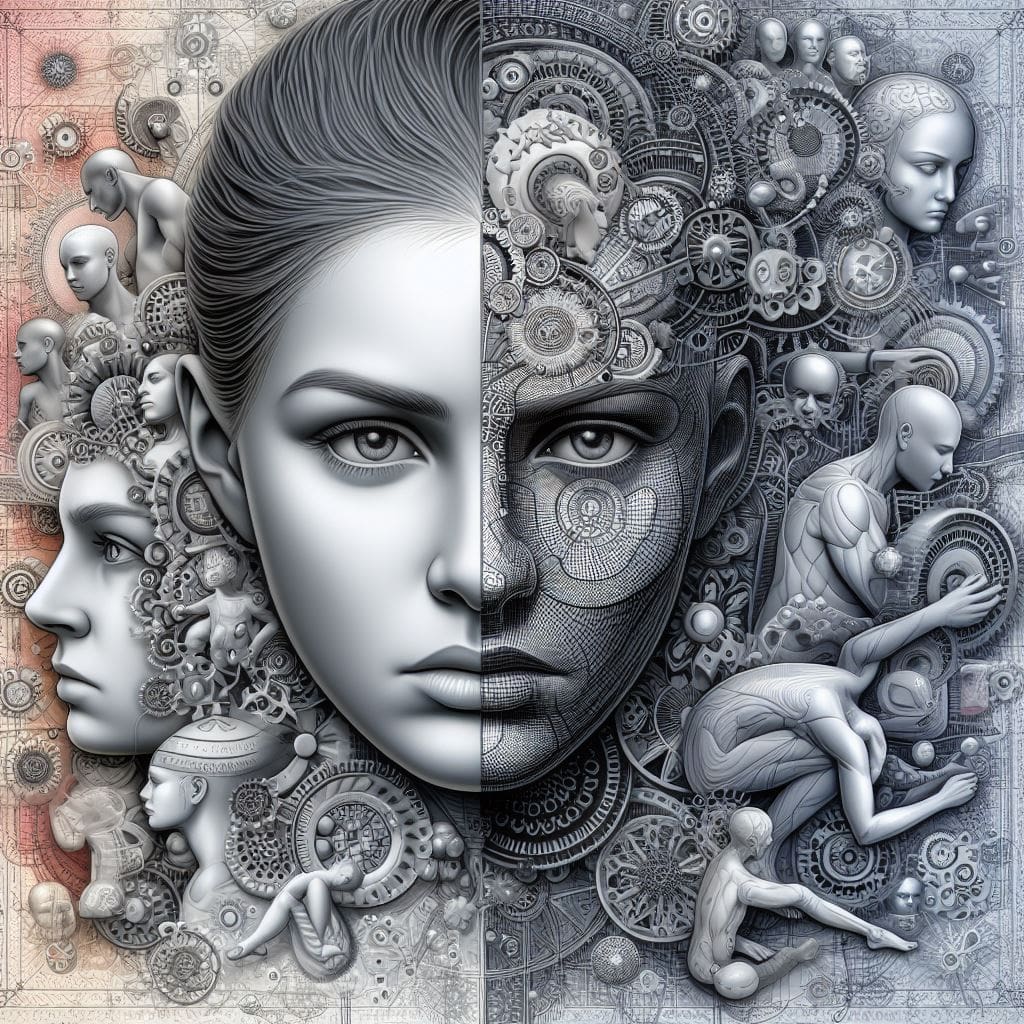
Gender bias is a deeply ingrained societal problem that continues to impact individuals across the gender spectrum. This bias can permeate various facets of life, including education, healthcare, and interpersonal relationships. In educational settings, for example, it can result in differential treatment of students based on their gender, impacting their academic performance and long-term opportunities. Moreover, gender bias can also extend to healthcare, with certain genders facing disparities in the diagnosis and treatment of medical conditions. Additionally, within interpersonal dynamics, gender bias can lead to stereotypes, assumptions, and expectations that hinder authentic expression and contribute to unequal power dynamics. These manifestations of gender bias underscore the complexity and pervasiveness of this issue, highlighting the need for continued awareness, advocacy, and systemic change.
One of the most common forms of gender bias is the belief that men are more competent and capable than women. This harmful misconception can have pervasive effects in various aspects of life, including the professional realm. In the workplace, women may find themselves being passed over for promotions or more challenging assignments solely because of their gender, despite being equally or even more qualified than their male counterparts. Furthermore, this bias often translates into women being subjected to lower compensation compared to men in identical positions, perpetuating unfair gender-based wage gaps. These inequalities not only undermine individual potential and talent, but also contribute to a broader societal issue of gender discrimination. This systemic bias can create an environment where women face significant barriers to advancement and fair recognition based solely on their gender, perpetuating an unjust cycle of inequality.
Gender bias can also manifest in our everyday interactions and perceptions, influencing the way women are perceived and treated in various spheres of life. For instance, research has revealed that people are more inclined to interrupt women when they are speaking, often without realizing it. Additionally, there is a tendency to attribute women’s accomplishments to luck rather than recognising their competence and skill. These subtle biases can accumulate over time, eroding women’s confidence and sense of self-worth. The impact of these biases is far-reaching, affecting not only individual women, but also the overall dynamics of workplaces, social settings, and educational environments. It is crucial to raise awareness about these pervasive biases and work towards creating a more equitable and inclusive society for all.
It is important to recognise and challenge gender bias wherever we see it. This means actively working to create an inclusive and equitable workplace, and speaking up when we see discrimination happening. It also means examining our own biases and working to overcome them. One way to promote a more inclusive workplace is to implement policies that ensure equal opportunities for career advancement and fair treatment for all employees, regardless of their gender. Providing educational resources and training on diversity and inclusion can also help raise awareness and understanding of the issues. Additionally, fostering a culture of open communication and actively listening to the experiences and concerns of all team members can contribute to a more supportive and respectful work environment. Recognizing and addressing gender bias is an ongoing effort that requires continuous reflection and commitment from individuals and organizations alike.
By addressing gender bias, we can create a more just and equal society for all genders. It is up to each and every one of us to do our part in challenging and dismantling this harmful belief system. Let’s work together to create a world where everyone is valued and respected, regardless of their gender. This can involve initiatives at various levels, including educational programs, workplace policies, and legal reforms. Additionally, media representations and cultural norms play a significant role in shaping attitudes towards gender, so it’s crucial to address these aspects as well. The journey towards gender equality demands continuous effort and collaboration, and it’s imperative to involve diverse voices and perspectives in this transformative process. Let’s strive for a future where every individual has the opportunity to thrive, unconstrained by stereotypes or discrimination.