Tag: Emotions

  • Chronic Stress, Structural Changes in the Brain, and Emotional Disturbances

    Chronic Stress, Structural Changes in the Brain, and Emotional Disturbances

    Advertisements

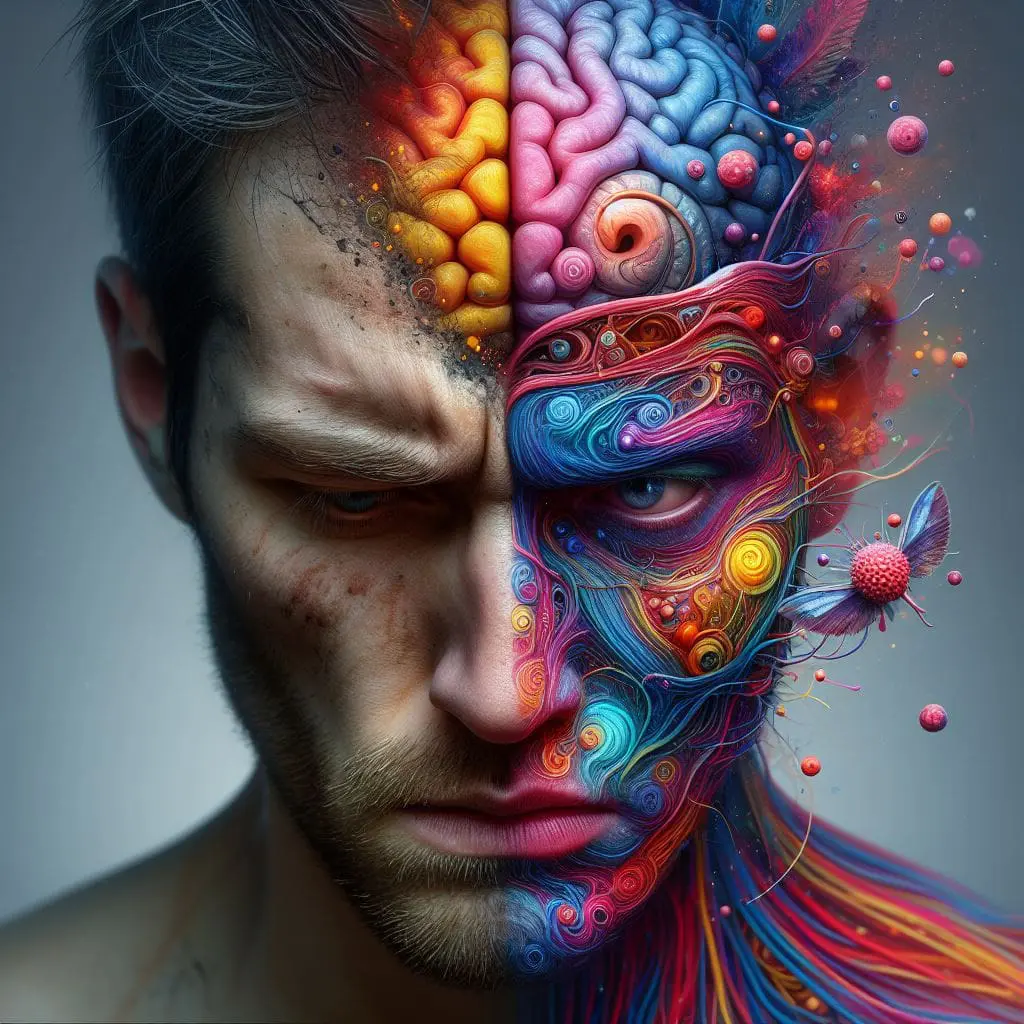
    One of the lesser-known effects of chronic stress is its ability to cause structural changes in the brain. Research has shown that repeated exposure to stress can lead to alterations in the size and connectivity of certain brain regions, particularly in areas involved in emotional regulation and memory. For example, chronic stress has been linked to a decrease in the volume of the hippocampus, a brain region crucial for memory formation and emotional processing. Additionally, chronic stress can also lead to changes in the prefrontal cortex, which plays a key role in decision-making, impulse control, and emotion regulation.

    These structural changes in the brain can have profound effects on our emotional well-being. Individuals experiencing chronic stress may find themselves more prone to mood swings, irritability, anxiety, and depression. They may also struggle with memory and concentration issues, as well as difficulty regulating their emotions and responses to stressful situations. In some cases, chronic stress can even contribute to the development of mental health disorders such as post-traumatic stress disorder (PTSD) or generalised anxiety disorder.

    It’s important to recognise the impact that chronic stress can have on our brains and emotions and take steps to manage and reduce stress levels. This may involve practising relaxation techniques such as deep breathing, meditation, or yoga, engaging in regular exercise, getting enough sleep, and seeking support from friends, family, or a therapist. By taking active steps to reduce stress and promote emotional well-being, we can help protect our brains from the harmful effects of chronic stress and improve our overall quality of life.

  • How to Develop Emotional Vocabulary

    How to Develop Emotional Vocabulary

    Advertisements

    So, how can you cultivate a rich emotional vocabulary? Here are a few strategies to help you get started:

    1. Identify Your Emotions: The first step in developing your emotional vocabulary is to become more aware of what you are feeling. Take a moment to check in with yourself throughout the day and try to pinpoint the specific emotions you are experiencing. Are you feeling happy, sad, angry, anxious, or something else entirely? The more you practise identifying your emotions, the easier it will become to articulate them to others.

    2. Learn Emotional Labels: Familiarise yourself with a wide range of emotional labels to expand your vocabulary. Look up lists of emotions and their definitions to help you better understand the nuances of different feelings. You can also keep a journal where you write down and reflect on your emotions regularly. This will not only enhance your emotional awareness but also improve your ability to express yourself.

    3. Build Empathy: Developing empathy for others can also help you build your emotional vocabulary. Pay attention to the emotions displayed by those around you and practise putting yourself in their shoes. Consider how you would feel in a similar situation and try to articulate those emotions. This exercise can help you connect with others on a deeper level and better understand the range of emotions that humans experience.

    4. Use Metaphors and Analogies: Sometimes, emotions can be difficult to express in words. In these instances, using metaphors or analogies can help you convey your feelings more effectively. For example, instead of simply saying you feel sad, you could describe your emotions as feeling like a dark cloud hanging over you. Experiment with different metaphors and analogies to find the ones that resonate most with you.

    5. Practise Mindfulness: Mindfulness practices, such as meditation and deep breathing exercises, can help you become more in tune with your emotions. By cultivating a sense of presence and awareness in the present moment, you can better identify and understand your feelings as they arise. Mindfulness can also help you regulate your emotions and respond to them in a more intentional and constructive manner.

    Developing your emotional vocabulary is a journey that takes time and practice. By becoming more aware of your emotions, learning new emotional labels, building empathy, using metaphors, and practising mindfulness, you can enhance your emotional intelligence and improve your overall well-being. Remember that emotions are complex and multifaceted, and it’s okay to experience a wide range of them. Embrace your emotions and use your growing emotional vocabulary to navigate life’s ups and downs with greater clarity and resilience.

  • List of Emotional Regulation Skills

    List of Emotional Regulation Skills

    Advertisements

    Fortunately, there are numerous emotional regulation skills that we can practise and develop to navigate our emotions more effectively. In this blog post, we’ll explore a list of skills that can help us regulate and process our emotions in a healthy and productive manner:

    1. Self-awareness: The first step in emotional regulation is understanding and recognising our emotions. Take the time to tune in to how you’re feeling, whether it’s through mindfulness exercises, journalling, or simply checking in with yourself throughout the day.

    2. Deep breathing and relaxation techniques: When we become overwhelmed by intense emotions, our body’s stress response can take over. Deep breathing and relaxation techniques such as progressive muscle relaxation or guided imagery can help calm our nervous system and bring back a sense of control.

    3. Cognitive reframing: Our thoughts heavily influence our emotions. By practising cognitive reframing, we can challenge negative or unhelpful thoughts and replace them with more rational and positive ones. This can help us maintain a more balanced and realistic perspective on situations.

    4. Distraction and redirection: Sometimes, when emotions are intense, it’s beneficial to distract ourselves temporarily to allow for a calmer mindset. Engaging in activities that we enjoy, such as reading, listening to music, or going for a walk, can redirect our attention and provide us with a mental break.

    5. Problem-solving: When dealing with challenging situations, developing problem-solving skills can be invaluable. Analyse the problem, explore different solutions, and evaluate their potential outcomes. This approach empowers us to take constructive action rather than getting trapped in a cycle of negative emotions.

    6. Social support: Sharing our feelings and experiences with trusted friends, family members, or professionals can provide an outside perspective and emotional support. Surrounding ourselves with a supportive network can help us regulate our emotions more effectively.

    7. Self-care: Prioritising self-care is crucial for emotional regulation. Engage in activities that enhance your well-being, such as exercise, healthy eating, getting enough sleep, and engaging in hobbies that bring you joy and relaxation.

    8. Mindfulness and meditation: Practising mindfulness and meditation can help us observe our thoughts and emotions without getting swept away by them. Regular meditation sessions can increase our overall sense of calm and self-awareness.

    9. Setting boundaries: It’s important to recognise and assert our boundaries to protect our emotional well-being. Learn to say no when necessary and communicate your needs effectively to foster healthy relationships.

    10. Seeking professional help: If you find that your emotions are consistently overwhelming, interfering with your daily life, or if you’re struggling to regulate them on your own, don’t hesitate to seek professional help. Therapists, counsellors, or psychologists can provide guidance and support tailored to your specific needs.

    Remember, emotional regulation is a lifelong journey. It’s normal to have setbacks and challenges along the way, but with practice and dedication, you can enhance your emotional well-being and lead a more balanced and fulfilling life. So, be patient with yourself, practise these skills regularly, and celebrate the progress you make on your emotional regulation journey.

  • How Emotional Processing Results in Mood

    How Emotional Processing Results in Mood

    Advertisements

    One of the key ways that emotional processing affects us is through our mood. When we effectively process our emotions, we are better able to regulate our mood and navigate through challenging situations. On the other hand, when we struggle to process our emotions, it can lead to mood dysregulation and even mental health issues.

    Emotional processing involves several steps, including identifying and recognising emotions, understanding the reasons behind them, and finding healthy ways to cope with them. When we are able to successfully navigate through these steps, it can lead to positive outcomes such as improved mood, increased self-awareness, and better relationships with others.

    However, when we don’t effectively process our emotions, it can have negative consequences on our mood. For example, suppressing or avoiding emotions can lead to feelings of anxiety, depression, and mood swings. Additionally, failing to process and manage emotions can also contribute to physical symptoms such as headaches, muscle tension, and trouble sleeping.

    So how can we improve our emotional processing in order to have a positive impact on our mood? One way is by practising mindfulness and self-awareness. By tuning into our emotions and exploring them without judgement, we can gain a clearer understanding of why we are feeling a certain way and how to address it.

    It’s also important to seek support from others, whether it be through therapy, talking with friends or family, or engaging in activities that help us process our emotions, such as journalling or exercise. Additionally, practising healthy coping mechanisms such as deep breathing, meditation, and relaxation techniques can also help us manage our mood and emotions more effectively.

    In conclusion, emotional processing plays a significant role in our mood regulation. By actively working to understand and process our emotions, we can improve our mental and emotional well-being, leading to a more balanced and positive mood. Remember to take care of your emotional health and seek support when needed to ensure that you are effectively processing your emotions and experiencing a healthy and stable mood.

  • How to Regulate One’s Emotions Immediately

    How to Regulate One’s Emotions Immediately

    Advertisements

    1. Practise mindfulness: Mindfulness is the practice of being present in the moment without judgement. When we are mindful, we are better able to notice our emotions as they arise and choose how to respond to them. Taking a few deep breaths and focusing on the present moment can help to calm our emotions and prevent them from escalating.

    2. Take a break: Sometimes the best way to regulate our emotions is to take a step back from the situation that is causing us to feel overwhelmed . Taking a short walk, doing some deep breathing exercises, or engaging in a calming activity can help us to reset and approach the situation with a clearer mind.

    3. Practise self-care: Taking care of ourselves can help to regulate our emotions in the moment. Making sure we are getting enough sleep, eating well, and engaging in regular exercise can help us to feel more balanced and resilient in the face of challenging situations.

    4. Talk to someone: Sometimes just talking to someone about what we are feeling can help us to regulate our emotions. Whether it’s a friend, a family member, or a therapist, sharing our emotions with someone else can help us to gain perspective and feel supported.

    5. Challenge negative thoughts: Often our emotions are driven by negative thoughts or beliefs that are not based in reality. Challenging these negative thoughts and replacing them with more positive and realistic ones can help us to regulate our emotions and feel more in control.

    Regulating our emotions is not always easy, but with practice and patience, we can learn to respond more effectively to challenging situations and maintain our mental well-being. By practising mindfulness, taking breaks, practising self-care, talking to someone, and challenging negative thoughts, we can learn to regulate our emotions in the moment and lead a more balanced and fulfilling life.

  • Primary vs. Secondary Emotions

    Primary vs. Secondary Emotions

    Advertisements

    Primary emotions are our initial, immediate reactions to a stimulus. They are instinctual and often intense, coming from the deepest part of our brain, the limbic system. These emotions are universal and shared by all humans, regardless of cultural or social background. Examples of primary emotions include happiness, sadness, fear, anger, disgust, and surprise.

    Primary emotions are often brief and intense, and they can quickly fade away once the triggering event has passed. However, they can also be powerful and overwhelming, influencing our thoughts, behaviours, and decision-making in the moment. It’s important to acknowledge and process these emotions before they escalate and lead to more negative outcomes.

    On the other hand, secondary emotions are the emotions that come after our initial primary emotions. They are more complex and nuanced, resulting from our thoughts, beliefs, and interpretations of a situation. Secondary emotions are often a response to our primary emotions and can be influenced by our past experiences, upbringing, and societal norms.

    Examples of secondary emotions include guilt, shame, jealousy, resentment, and pride. These emotions are more reflective and cognitive, requiring us to analyse and understand their underlying causes. While primary emotions are spontaneous and automatic, secondary emotions are more deliberate and conscious.

    Recognising the distinction between primary and secondary emotions can help us better regulate our emotional responses and make more informed decisions. By identifying our primary emotions and understanding the secondary emotions that follow, we can gain insight into our inner workings and navigate our feelings more effectively.

    In conclusion, emotions are a fundamental aspect of our human experience, and understanding the difference between primary and secondary emotions can enhance our emotional intelligence and overall well-being. By acknowledging our primary emotions and addressing the underlying causes of our secondary emotions, we can cultivate greater self-awareness and emotional resilience.

  • How Emotional Experiences Shape our Perceptions, Behaviours, and Mental Health

    How Emotional Experiences Shape our Perceptions, Behaviours, and Mental Health

    Advertisements

    One way that emotional experiences shape our perceptions is through the process of emotional regulation. When we experience strong emotions, our brains are flooded with chemicals like dopamine and serotonin that can influence how we see and interpret the world around us. For example, someone who is feeling anxious may perceive a neutral situation as threatening, while someone who is feeling happy may see the same situation as enjoyable.

    Our emotional experiences also influence our behaviours. When we feel sad or angry, we may be more likely to lash out at others or engage in self-destructive behaviours. On the other hand, when we feel happy or content, we are more likely to engage in healthy behaviours like exercise and socialising. Additionally, our emotions can impact our decision-making processes, leading us to make choices that may not always be in our best interest.

    Furthermore, our emotional experiences can have a significant impact on our mental health. Chronic stress, for example, can lead to a host of mental health issues, including anxiety and depression. Traumatic experiences can also have a lasting impact on our mental health, contributing to conditions like post-traumatic stress disorder (PTSD). On the other hand, positive emotional experiences can boost our mental health and help us build resilience in the face of adversity.

    In order to effectively manage our emotions and their impact on our perceptions, behaviours, and mental health, it is important to develop healthy coping strategies. This may involve seeking professional help, practising mindfulness and relaxation techniques, engaging in physical activity, and seeking social support.

    In conclusion, it is clear that emotional experiences play a significant role in shaping our perceptions, behaviours, and mental health. By recognising the impact of our emotions and developing healthy coping strategies, we can navigate life’s challenges with greater resilience and well-being.