
Tag: 2

  • Understanding the Insanity Defence: Debunking Myths and Exploring Realities

    Understanding the Insanity Defence: Debunking Myths and Exploring Realities

    Advertisements

    Defining the Insanity Defence

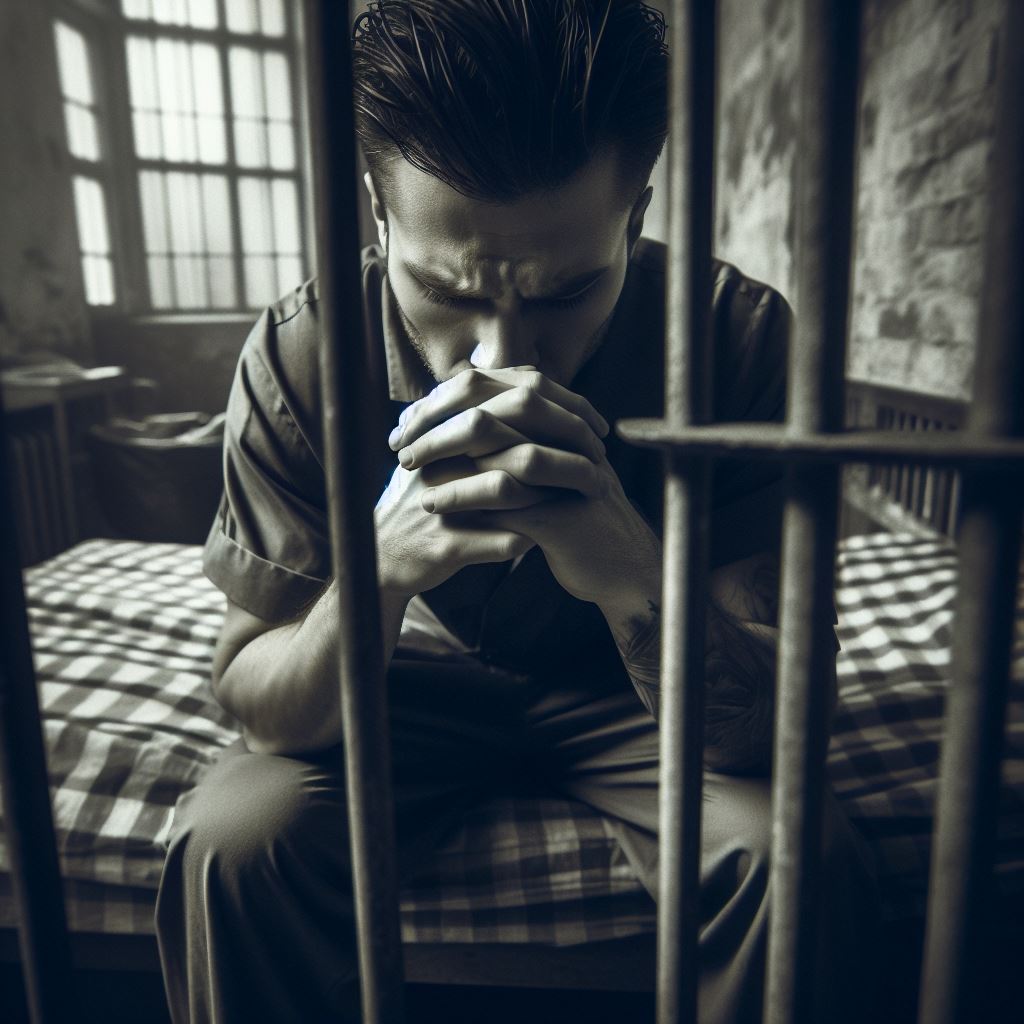
    The insanity defence is a legal strategy used in criminal trials to excuse criminal liability on the premise that the accused was unable to understand their actions, appreciate the consequences, or distinguish right from wrong due to mental illness or defect. Contrary to popular belief, the insanity defence is not a “get out of jail free” card but rather a plea to receive appropriate mental health treatment instead of punishment.

    Myths versus Realities

    Myth #1: The insanity defence is a legal loophole used by criminals to escape punishment.

    Reality #1: In reality, successful insanity defenses are relatively rare, accounting for only about 1% of criminal cases. Judges and juries apply strict legal standards to determine the defendant’s state of mind at the time of the offence. These standards focus on the accused’s ability to understand the nature and wrongfulness of their actions, making it challenging to successfully prove insanity.

    Myth #2: Violent criminals frequently use the insanity defence to avoid accountability.

    Reality #2: Studies have shown that individuals acquitted on grounds of insanity are typically non-violent and suffer from severe mental illnesses such as schizophrenia or bipolar disorder. Contrary to popular belief, the insanity defence is not a defence of ‘criminals,’ but rather an avenue to divert mentally ill individuals into appropriate treatment programs.

    Myth #3: The insanity defence is misused as an excuse for heinous crimes.

    Reality #3: Contrary to stereotypes, individuals found not guilty by reason of insanity often spend more time confined in mental health facilities than they would have serving a prison sentence. The focus of the insanity defence is on rehabilitation, public safety, and reducing the likelihood of future offences by addressing the underlying mental health issues.

    Navigating Complexity

    The concept of insanity varies across jurisdictions, ranging from the M’Naghten rule (the defendant must prove they did not know what they were doing) to the irresistible impulse test (the defendant must prove they were unable to control their actions due to mental illness). The complexity of the insanity defence lies in determining the mental state of the accused at the precise moment the crime was committed.

    Critics argue that the insanity defence is vague, open to manipulation, and fails to clearly address cases involving temporary bouts of mental distress. Proponents, on the other hand, emphasise the importance of recognising mental illnesses and providing appropriate treatment options instead of solely punishing individuals who may not be fully accountable for their actions.

    Conclusion

    Understanding the insanity defence requires looking beyond its portrayal in movies and headlines. Rather than an easy escape from punishment, the insanity defence focuses on protecting society, providing mental health treatment, and preventing future offences. By acknowledging the complexities and realities associated with the insanity defence, we can engage in informed discussions about mental health, criminal responsibility, and the proper treatment of those with mental illnesses involved in the criminal justice system.

    Advertisements
  • The Health Impacts of Domestic Abuse

    The Health Impacts of Domestic Abuse

    Domestic abuse takes a toll on victims, and they experience all sorts of maladies as a result of the abuse they were put through, both in the short term and in the long term. This blog post will inform the reader about the health impacts that domestic abuse can have on adults and children. 

    Impacts on Adults

    Individuals affected by domestic abuse often present with depression, and are more susceptible to suicidal ideation, post-traumatic stress disorder (PTSD), other stress and anxiety disorders, insomnia, and eating disorders. They also have low self-esteem and confidence levels. Furthermore, domestic abuse can change the victim’s behavioural temperament permanently, especially when the victim is a child. Research shows that when children are abused, as early as adolescence they can engage in hypersexual, promiscuous, or disinhibited behaviours, as well as risky behaviours such as using illicit drugs, drinking heavily, and/or smoking. 

    Moreover, women who were sexually abused as children find it particularly difficult to connect in appropriate or safe ways, and are more prone to allowing abusive relationships to enter their lives. It is believed that this happens because these traumatised women cannot distinguish between men who show affection, and men who make sexual advances. For instance, they may think that expressions of affection or support are sexual advances and might respond sexually, and/or might think that expressions of sexual desire are ‘love’ and respond romantically.  What this tells us is that individuals already affected by mental health problems as a result of their traumas are more vulnerable to being domestically abused, and likewise those experiencing domestic abuse are more likely to get mental health problems. 

    Domestic abuse can cause physical illness whether as a result of actual bodily harm (ABH), the stress associated with the abuse, and/or risky behaviours. ABH includes cuts, bruises, burns, bites, broken bones or teeth, as well as severe head injuries and damage to the eyes, ears, chest and abdomen. All these forms of ABH can consequently lead to long-term illness, disability, and/or death. If the victim is pregnant, domestic abuse can trigger a miscarriage or harm the fetus. Furthermore, sexual abuse can damage the genital, pelvic, and urinary areas whether through brute force or the transmission of infections. Risky behaviour can also lead to sexually transmitted diseases, self-injury, as well as other health problems associated with substance abuse. 

    Physical symptoms worsen mental health problems, and mental health problems also worsen physical symptoms. This is why people who already have disabilities-especially women- are more likely to be abused than non-disabled individuals due to their vulnerability regardless of whether the disability is motor, mental, or intellectual (SafeLives, n.d.) . Perpetrators see vulnerability as an opportunity, and seek to exploit this deliberately. 

    All this is without mentioning yet the health impacts of female genital mutilation (FGM) which are devastating. Not only can FGM lead to all of the above mental health symptoms, it can also lead to tremendous physical impairments such as severe and long-term pain, infections, difficulty in walking or having sex; bleeding, cysts and abscesses from the wounds; difficulty urinating or experiencing incontinence, life-threatening complications during pregnancy and childbirth, infertility, and/or death. 

    Impacts on Children

    Children are very vulnerable to distress, and this is why experiencing and/or witnessing domestic abuse can be severely traumatising for them. They might develop symptoms of anxiety and depression, have nightmares or intrusive flashbacks, clinical fear, behaviour that challenges, regression, aggression, withdrawal or lack of engagement, low self-esteem, self-harm, suicidal ideation, risky behaviours, and eating disorders. Indeed, when children are made to feel scared, confused and powerless; this can be introjected and a reaction formation can happen leading children to behave in similar ways to the perpetrator. 

    Children also experience physical symptoms when they have been exposed to domestic abuse. They might experience similar symptoms to adults such as injuries that can cause concussion or brain damage. They undergo epigenetic changes with every adverse experience, and they might become neglected, underfed, and unwashed if they are in an abusive environment. Moreover, they may present with bed-wetting difficulties, stomach and headaches, and a disrupted circadian rhythm. They might also present with self-injury, or injury obtained through risky behaviours.  

    Finally, children go through very intense transitions after domestic abuse has been exposed. They might have to move home, and away from friends. They might also experience a disruption to their education. They might develop an attachment trauma after they lose the abusive family member who they might not have perceived as abusive. They might find the conviction of the abusive relative traumatic. They may experience a change in quality of life, and in the worst case scenarios they might be separated from their parents and placed in foster care. All these factors increase the chances of developing health problems. 

    References

    SafeLives (n.d.) ‘Spotlight #2: Disabled people and domestic abuse’ [Online]. Available at https://safelives.org.uk/knowledge-hub/spotlights/spotlight-2-disabled-people-and-domestic-abuse (accessed 21 February 2022).