Category: Mental Health

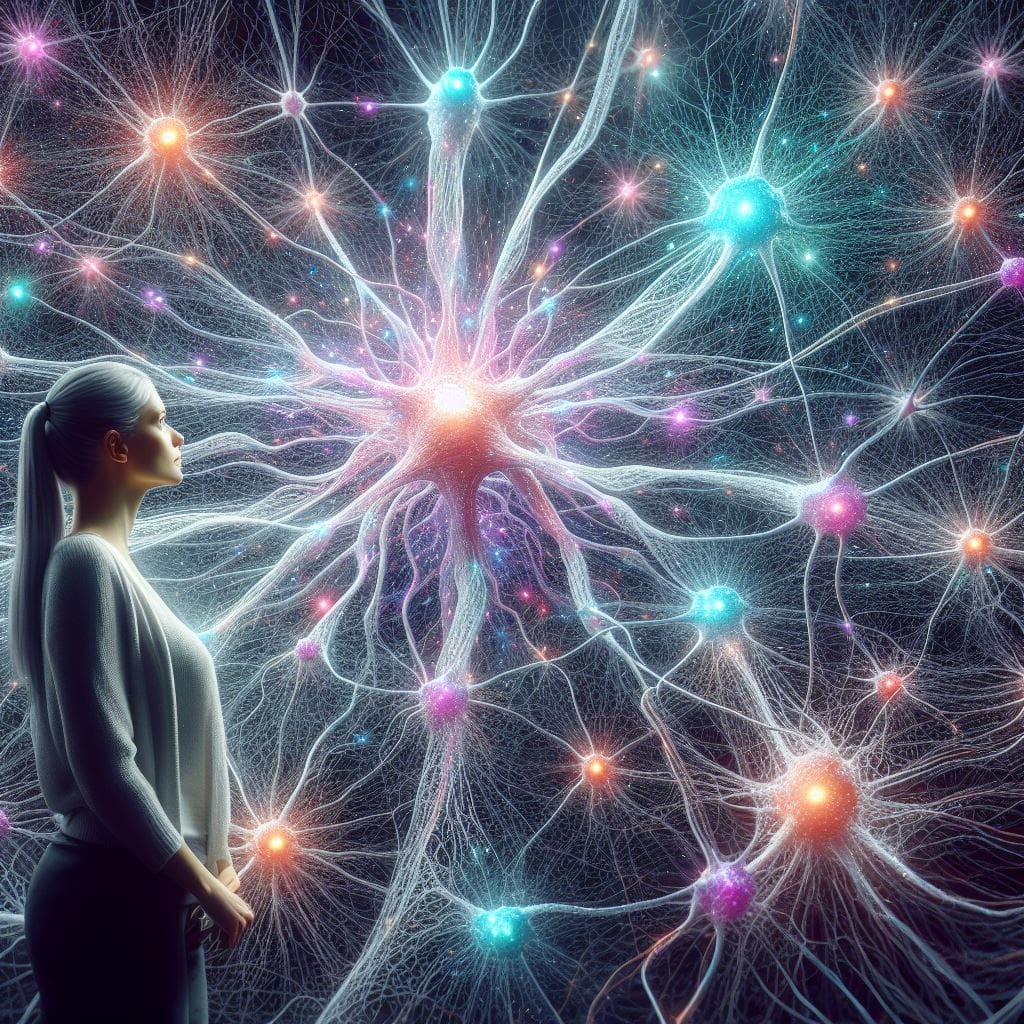
  • Neurochemical Factors of Schizophrenia

    Neurochemical Factors of Schizophrenia

    Advertisements

    Dopamine is one of the primary neurotransmitters implicated in the development of schizophrenia. Numerous studies have shown that individuals with schizophrenia have an overactivity of dopamine function in certain areas of the brain. This excess dopamine activity is believed to contribute to the positive symptoms of schizophrenia, which include hallucinations, delusions, and disorganised thinking. Antipsychotic medications, which are commonly used to treat schizophrenia, work by blocking dopamine receptors in the brain, thereby reducing dopamine levels and alleviating these symptoms.

    Another neurochemical factor that has been extensively studied in schizophrenia is glutamate. Glutamate is the major excitatory neurotransmitter in the brain, playing a crucial role in neural signalling. Research has revealed abnormalities in the glutamate system in individuals with schizophrenia. Studies have shown decreased glutamate levels and altered glutamate receptor function in certain brain regions involved in cognitive processes and emotional regulation. Because of these findings, newer treatment approaches targeting glutamate receptors, such as glycine site agonists, have emerged as potential avenues for improving symptoms and cognitive impairment in individuals with schizophrenia.

    GABA (gamma-aminobutyric acid) is another neurotransmitter believed to be involved in the pathophysiology of schizophrenia. GABA is the primary inhibitory neurotransmitter in the brain, working to balance the excitatory actions of other neurotransmitters like glutamate. Studies have shown reduced GABA levels and impaired GABAergic transmission in individuals with schizophrenia. These disruptions in GABA function may contribute to the cognitive and emotional dysfunctions often observed in this disorder.

    In addition to these major neurotransmitters, various other neurochemical factors have also been implicated in the development of schizophrenia. For instance, abnormalities in serotonin and norepinephrine systems have been observed in individuals with schizophrenia, potentially contributing to symptoms such as depression, anxiety, and disrupted sleep patterns.

    While advancements in neurochemical research have contributed significantly to our understanding of schizophrenia, it is essential to note that this disorder is highly complex and likely involves a combination of genetic, environmental, and neurochemical factors. Additionally, these neurochemical abnormalities may not be universal across all individuals with schizophrenia, as there is considerable heterogeneity in the presentation and symptoms of this disorder.

    Further research is needed to fully uncover the precise mechanisms that contribute to schizophrenia and to develop more targeted and effective treatment options. Nonetheless, the study of neurochemical factors, particularly those related to dopamine, glutamate, GABA, serotonin, and norepinephrine, provides valuable insights into the underlying biology of schizophrenia and offers hope for future advancements in its diagnosis and treatment.

    In conclusion, neurochemical factors play a pivotal role in the pathophysiology of schizophrenia. Dopamine, glutamate, GABA, serotonin, and norepinephrine are just a few examples of the neurochemicals that have been extensively studied in the context of this disorder. Understanding the intricate interplay of these neurochemicals and their dysregulation in schizophrenia is crucial for developing novel therapeutic approaches to alleviate symptoms and improve the lives of individuals affected by this devastating mental illness.

    Advertisements
  • The Genetics of Emotional Response: Unraveling the Mysteries of How Our Genes Influence How We Feel

    The Genetics of Emotional Response: Unraveling the Mysteries of How Our Genes Influence How We Feel

    Advertisements

    1. The Complex Nature of Emotions

    Emotions are multifaceted, complex processes that involve various components, including physiological responses, subjective feelings, and behavioural tendencies. These intricate mechanisms are intertwined with genetic factors that influence our emotional experiences. Researchers have long studied the role of genetics in shaping emotions, uncovering its hidden complexities.

    2. How Genes Influence Emotional Responses

    Scientists have conducted numerous studies on twins and families to investigate the genetic underpinnings of emotions. The results consistently indicate that genetics significantly contribute to how we respond emotionally to different situations. However, it is important to remember that genes are not the sole determinants of emotional responses; environmental factors also play a significant role.

    3. Candidate Genes and Their Impact

    Several genes have been identified as potential players in emotional regulation. One such gene is the serotonin transporter gene (SLC6A4), which is associated with serotonin production and reuptake, a neurotransmitter involved in regulating mood. Polymorphisms in this gene have been linked to an increased susceptibility to anxiety and depression.

    Another gene of interest is the dopamine receptor gene DRD4, which affects the brain’s dopamine receptors. Variants of this gene have been found to influence reward sensitivity, impulsivity, and susceptibility to addictive behaviours.

    4. Epigenetics: The Switch Between Genes and Environment

    Epigenetics refers to the study of changes in gene expression caused by environmental factors. It acts as a bridge between genetic influences and the environment, illustrating how external factors can modify our genetic predispositions. Factors such as early-life experiences, stress, and social interactions can have long-lasting epigenetic effects on genes involved in emotional regulation.

    5. The Genetic Heterogeneity of Emotional Responses

    Emotional responses differ among individuals, and this can be attributed to genetic heterogeneity. Each person possesses a unique combination of genes, resulting in individual variations in emotional experiences. Understanding this genetic diversity is crucial when studying emotional disorders and developing personalised treatments.

    Conclusion

    Exploring the genetics of emotional response has provided remarkable insights into the intricate mechanisms that shape how we feel. While the influence of genetics on emotions is undeniable, it is essential to recognise that it is just one piece of the puzzle. Environmental factors, life experiences, and social interactions all intersect with our genetic makeup, influencing our emotional responses. Gaining a deeper understanding of these genetic and environmental interactions can pave the way for better strategies for mental health interventions, tailored to individual needs and genetic profiles.

    Advertisements
  • The Prefrontal Cortex in Borderline Personality Disorder (BPD)

    The Prefrontal Cortex in Borderline Personality Disorder (BPD)

    Advertisements

    The prefrontal cortex is a region of the brain located at the front of the frontal lobe. It is responsible for higher cognitive functions such as decision-making, reasoning, problem-solving, and impulse control. It plays a crucial role in regulating emotions and behaviour, as well as in social interactions. However, in individuals with BPD, this region of the brain does not function properly, leading to the characteristic symptoms of the disorder.

    Research has shown that individuals with BPD have a smaller prefrontal cortex volume compared to healthy individuals. This reduction in volume is associated with impaired cognitive functioning and emotional regulation. The prefrontal cortex is responsible for inhibiting impulsive behaviours and regulating emotions, but in individuals with BPD, these functions are compromised.

    One specific area of the prefrontal cortex that is affected in BPD is the anterior cingulate cortex (ACC). The ACC is involved in regulating emotions, decision-making, and error detection. However, in individuals with BPD, the ACC is hyperactive, leading to emotional dysregulation and difficulty in making rational decisions. This hyperactivity of the ACC is believed to contribute to the intense emotions and impulsive behaviors experienced by individuals with BPD.

    Additionally, the dysfunction of the prefrontal cortex in BPD also affects the connectivity between different brain regions. Studies using functional magnetic resonance imaging (fMRI) have shown that there is an altered connectivity between the prefrontal cortex and other brain regions involved in emotional processing, such as the amygdala and the insula. This disrupted connectivity further contributes to the emotional instability and difficulty in regulating emotions seen in individuals with BPD.

    Understanding the role of the prefrontal cortex in BPD is important for developing effective treatment strategies for the disorder. Cognitive-behavioural therapy (CBT) has been shown to be beneficial in helping individuals with BPD improve their emotional regulation skills. By targeting the dysfunction in the prefrontal cortex, individuals can learn strategies to better control their emotions and impulsive behaviours.

    In conclusion, the dysfunction of the prefrontal cortex plays a significant role in the development and manifestation of Borderline Personality Disorder. The reduced volume, hyperactivity of the ACC, and altered connectivity between brain regions contribute to the emotional dysregulation, impulsive behaviours, and difficulty in decision-making seen in individuals with BPD. Further research in this area is vital for developing targeted interventions to improve the lives of those affected by this debilitating disorder.

    Advertisements
  • Types of Personality Disorder

    Types of Personality Disorder

    Advertisements

    1. Borderline Personality Disorder (BPD): People with BPD often struggle with unstable self-image, intense and unstable relationships, impulsive behaviours, and emotional reactivity. They may experience rapid mood swings, feelings of emptiness, and fear of abandonment. Individuals with BPD might have a history of self-harm or suicidal behaviours.

    2. Antisocial Personality Disorder (ASPD): Also referred to as sociopathy or psychopathy, individuals with ASPD tend to disregard the rights and feelings of others. They may engage in deceitful and manipulative behaviours, lack empathy or remorse, and show a consistent disregard for social norms and laws. ASPD is commonly associated with a high risk of criminal behaviour.

    3. Narcissistic Personality Disorder (NPD): People with NPD have an exaggerated sense of self-importance and an intense need for admiration. They often lack empathy, have a grandiose sense of entitlement, and belittle or exploit others to achieve their goals. Their self-esteem is fragile and vulnerable to criticism, leading to unstable relationships.

    4. Avoidant Personality Disorder (AvPD): Individuals with AvPD have an intense fear of rejection, leading them to avoid social interactions and relationships. They often feel inadequate, socially inept, and overly sensitive to criticism or rejection. AvPD can severely limit their involvement in various aspects of life and hinder their personal and professional growth.

    5. Obsessive-Compulsive Personality Disorder (OCPD): Often confused with Obsessive-Compulsive Disorder (OCD), OCPD is characterised by a need for perfectionism, excessive attention to detail, inflexibility, and rigidity in thinking. People with OCPD may strive for control and order in their lives, often at the expense of their relationships and overall well-being.

    6. Schizotypal Personality Disorder (STPD): Individuals with STPD often exhibit odd or eccentric behaviour, unusual beliefs or perceptions, and have difficulty fitting into social norms. They may have distorted thinking patterns, magical thinking, and display odd speech or dressing habits. STPD is associated with a higher risk of developing schizophrenia or other psychotic disorders.

    7. Dependent Personality Disorder (DPD): People with DPD often struggle with an excessive need for others to take care of them. They have a fear of abandonment, difficulty making decisions, and struggle with initiating or maintaining relationships. This dependency can lead to significant distress and hinder personal growth and autonomy.

    It’s important to highlight that personality disorders are complex conditions and should be diagnosed and treated by mental health professionals. While this blog post provides a brief overview of some common types of personality disorders, it is crucial to remember that every individual’s experience is unique. Seeking professional help is key to understanding and managing these disorders effectively.

    Advertisements
  • The Neurobiology of Bipolar Disorder: Unveiling the Complexities of the Mind

    The Neurobiology of Bipolar Disorder: Unveiling the Complexities of the Mind

    Advertisements

    The Role of Neurotransmitters

    Neurotransmitters, the chemical messengers of the brain, play a key role in regulating mood and emotions. Two neurotransmitters heavily implicated in bipolar disorder are serotonin and dopamine. Serotonin is associated with feelings of well-being and is often found to be imbalanced in depression. In the manic phase of bipolar disorder, increased levels of dopamine may contribute to elevated moods, increased energy, and risk-taking behaviours. The delicate balance between these neurotransmitters is critical for maintaining stability but becomes disrupted in individuals with bipolar disorder.

    Brain Regions Involved in Bipolar Disorder

    The brain is a marvellously intricate organ composed of numerous interconnected regions, each responsible for specific functions. Several brain regions have been implicated in the pathophysiology of bipolar disorder. The prefrontal cortex, responsible for executive functions such as decision-making and impulse control, tends to be underactive during depressive episodes, impacting cognition and emotional regulation.

    The amygdala, a centre for emotional processing, also plays a role in bipolar disorder. In individuals with bipolar disorder, the amygdala may be overactive during manic episodes, leading to intensified emotional responses. Additionally, alterations within the hippocampus, involved in memory and emotional regulation, have been observed in people with bipolar disorder. These structural changes further demonstrate the neurological basis of this condition.

    Genetics and Bipolar Disorder

    The influence of genes on bipolar disorder cannot be overlooked. Studies have shown that individuals with a first-degree relative (parent or sibling) affected by bipolar disorder have a higher risk of developing the condition themselves. Complex combinations of genetic variations are likely involved, interacting with environmental factors to trigger the onset of bipolar disorder. Identifying specific genetic markers may provide valuable insights into potential treatment targets and personalised interventions.

    Stress and Brain Adaptations

    Stressful life events and disruptions in circadian rhythms play a significant role in the onset and exacerbation of bipolar episodes. Chronic stress can cause lasting changes in brain structure and function, contributing to the development of the disorder. Stress hormones, such as cortisol, can impact neurotransmitter balance and increase vulnerability to mood disturbances. Understanding these neurobiological effects of stress is crucial in developing comprehensive treatment strategies for individuals with bipolar disorder.

    Treatment Implications

    The complex nature of bipolar disorder necessitates a combination of therapeutic approaches tailored to each individual. Medications that target specific neurotransmitter imbalances, such as mood stabilisers, antipsychotics, and antidepressants, may be prescribed to manage symptoms. Additionally, cognitive-behavioural therapy (CBT) and psychoeducation can help patients understand their condition, develop coping mechanisms, and improve their overall quality of life. Ongoing research in neurobiology continues to provide promising avenues for the development of even more effective treatments.

    Conclusion

    Understanding the neurobiology of bipolar disorder is crucial for defining the mechanisms underlying this complex condition and guiding treatment interventions. The delicate balance of neurotransmitters, alterations within key brain regions, genetic predisposition, and the impact of stress all contribute to the development and manifestation of bipolar disorder. As our understanding of the neurobiology deepens, so too will our capacity to develop more effective treatments that enhance the lives of those affected by this challenging disorder.

    Advertisements
  • Exploring the Fear of Abandonment in Borderline Personality Disorder

    Exploring the Fear of Abandonment in Borderline Personality Disorder

    Advertisements

    1. Roots of the Fear of Abandonment

    The fear of abandonment in individuals with BPD can be traced back to various factors. It is often believed to stem from early life experiences, such as neglect, parental rejection, or inconsistent caregiving. These experiences can create deep-seated insecurities, leading to an excessive fear of being abandoned and intense feelings of worthlessness and emptiness.

    2. Fear as a Driving Force

    The fear of abandonment significantly influences the thoughts, behaviours, and relationships of those with BPD. Individuals with BPD may exhibit frantic efforts to avoid real or imagined abandonment, including intense clinginess, fawning behaviour, or even self-destructive actions. This fear can distort their perception of interpersonal dynamics, causing them to perceive rejection where none exists and leading to a perpetual cycle of emotional turmoil.

    3. Impact on Relationships

    The fear of abandonment can have a profound impact on the ability to form and maintain stable relationships. Fearful of being left alone, individuals with BPD may become excessively dependent on others and have an intense need for reassurance, which can strain relationships. Conversely, fear can also manifest in distancing themselves preemptively to avoid potential abandonment, drawing negative reactions from loved ones. This push-pull dynamic can make relationships tumultuous and fraught with conflict.

    4. Coping Strategies

    While overcoming the fear of abandonment is a complex process, there are coping strategies that can help manage the intense emotions associated with it. These include therapy, such as dialectical behaviour therapy (DBT), which focuses on emotion regulation, mindfulness, and interpersonal effectiveness. Self-education about BPD and sharing feelings with trusted individuals can also alleviate the distress caused by fear.

    5. Support for Loved Ones

    The fear of abandonment not only affects individuals with BPD but also impacts those in their lives. It is crucial for friends, family members, and partners of individuals with BPD to foster an open and non-judgemental environment, encouraging open communication and understanding. Educating oneself about the disorder and seeking support through therapy or support groups can equip loved ones with the tools needed to navigate the challenges inherent in supporting someone with BPD.

    Conclusion

    The fear of abandonment is a defining characteristic of Borderline Personality Disorder that can significantly impact the lives of those affected. Recognising and understanding this fear is crucial for developing empathy and providing effective support. Through therapy, education, and an ongoing commitment to open communication, individuals with BPD and their loved ones can work together to navigate the challenges associated with fear of abandonment and foster healthier and more fulfilling relationships.

    Advertisements
  • Neurotransmitter Balance and Emotional Regulation: The Key to Mental Well-being

    Neurotransmitter Balance and Emotional Regulation: The Key to Mental Well-being

    Advertisements

    Understanding Neurotransmitters

    Neurotransmitters are chemical messengers that facilitate communication between nerve cells in our brain, known as neurons. These chemical messengers are responsible for transmitting signals across synapses, the junctions between neurons. There are several neurotransmitters involved in regulating emotions, including serotonin, dopamine, norepinephrine, and gamma-aminobutyric acid (GABA), among others.

    Importance of Neurotransmitter Balance

    Neurotransmitter balance is essential for maintaining emotional stability and overall mental health. When these chemical messengers are in equilibrium, they help regulate mood, prevent excessive anxiety or depression, and promote a general sense of well-being. However, imbalances in neurotransmitter levels can lead to emotional dysregulation, causing disturbances in mental health and leading to conditions such as depression, anxiety disorders, bipolar disorder, and more.

    Serotonin: The “Feel-Good” Neurotransmitter

    Serotonin is often referred to as the “feel-good” neurotransmitter due to its role in regulating mood, sleep, and appetite. Low serotonin levels are commonly associated with depression, while medications such as selective serotonin reuptake inhibitors (SSRIs) are used to increase serotonin availability and alleviate symptoms of depression.

    Dopamine: The Reward and Pleasure Neurotransmitter

    Dopamine plays a crucial role in the brain’s reward and motivation system. It is responsible for the feelings of pleasure and reward we experience in response to various stimuli, such as accomplishing a goal or engaging in enjoyable activities. Imbalances in dopamine levels are associated with conditions such as addiction, ADHD, and Parkinson’s disease.

    Norepinephrine: The Fight-or-Flight Neurotransmitter

    Norepinephrine helps regulate the body’s response to stress and is involved in the fight-or-flight response. It boosts alertness, focus, and arousal. An imbalance in norepinephrine levels can contribute to anxiety disorders and conditions like post-traumatic stress disorder (PTSD).

    GABA: The Calming Neurotransmitter

    GABA is an inhibitory neurotransmitter that helps calm and relax the mind. It counters the effects of excitatory neurotransmitters, promoting feelings of tranquillity and reducing anxiety. Reduced GABA levels are linked to anxiety disorders and may lead to an inability to regulate emotions effectively.

    Tips for Maintaining Neurotransmitter Balance

    1. Engage in regular exercise and physical activity, as it boosts the production of endorphins and can help increase levels of serotonin and dopamine.

    2. Make healthy dietary choices by consuming nutrient-rich foods that provide the necessary building blocks for neurotransmitter synthesis.

    3. Prioritise quality sleep, as lack of sleep can disrupt neurotransmitter levels and lead to emotional instability.

    4. Consider stress-management techniques, such as meditation, deep breathing, or mindfulness, to help regulate norepinephrine and cortisol levels.

    5. Explore therapy and counselling options, as professional guidance can assist in identifying and addressing any neurotransmitter imbalances or emotional regulation difficulties.

    Conclusion

    Achieving a harmonious balance of neurotransmitters is essential for emotional regulation and overall mental well-being. By understanding how neurotransmitters like serotonin, dopamine, norepinephrine, and GABA influence our emotions, we can take proactive steps to maintain balance. By prioritising lifestyle choices, seeking appropriate interventions, and adopting stress-reducing practices, we can enhance our emotional regulation capacities and experience a more stable and healthier emotional state. Remember, investing in our mental health is a lifelong endeavour that reaps invaluable rewards.

    Advertisements