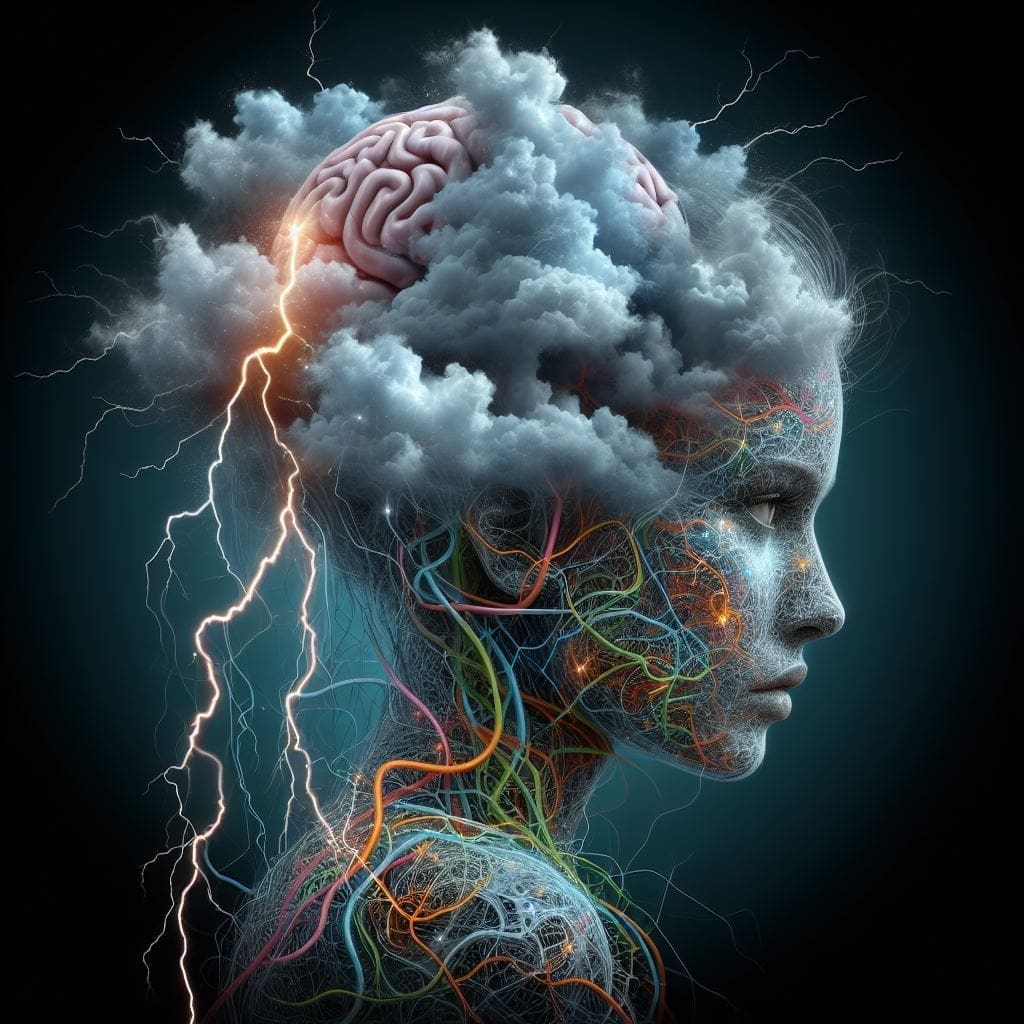
Hormones play a crucial role in shaping our social behaviour. From the feelings of love and attachment to aggression and dominance, our hormones are responsible for how we interact with others in our social circles.
One of the key hormones that influences our social behaviour is oxytocin, often referred to as the “love hormone.” Oxytocin is released during social bonding activities such as hugging, kissing, and even breastfeeding. It promotes feelings of trust and emotional connection, making us more inclined to form and maintain social relationships.
On the other hand, testosterone is known for its role in aggression and dominance. Higher levels of testosterone have been associated with more competitive and assertive behaviour, as well as increased aggression towards others. This hormone can influence social hierarchies and the dynamics of power within social groups.
Another important hormone that influences social behaviour is serotonin. Serotonin is often referred to as the “feel-good” hormone, and it plays a key role in regulating mood and social behaviours such as cooperation and empathy. Low levels of serotonin have been linked to increased aggression and impulsive behaviour, while higher levels are associated with better social interactions and emotional stability.
It is important to note that hormones do not act in isolation when it comes to social behaviour. They interact with each other and with external factors such as environment, upbringing, and personal experiences to shape how we behave in social situations. For example, a person with high levels of testosterone may still exhibit prosocial behaviour if they have a strong sense of empathy and have learned positive social skills.
Understanding the role of hormones in social behaviour can help us make sense of our own actions and interactions with others. By recognising how our hormones influence our thoughts, feelings, and behaviours, we can better navigate social situations and cultivate more fulfilling relationships. So next time you find yourself in a social setting, remember that your hormones may be playing a significant role in how you respond and interact with others.
Share this:

You Might Also Enjoy Reading