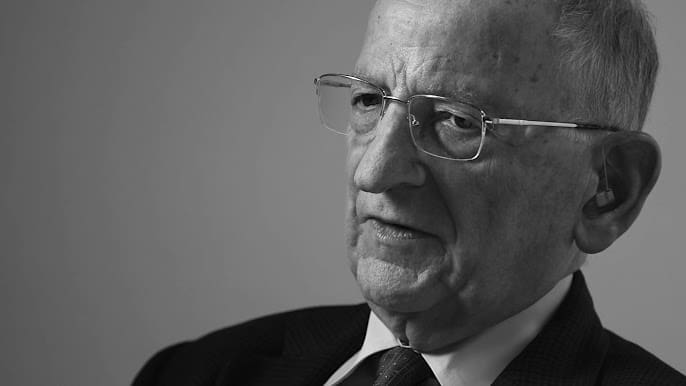

One of the most influential figures in the field of psychoanalysis is Otto Kernberg, a psychiatrist and psychoanalyst renowned for his work on personality disorders and object relations theory. Kernberg’s contributions to the field have helped shape our understanding of various psychological phenomena, and his concepts continue to be widely studied and applied in clinical practice.
One of the key concepts that Kernberg is known for is the notion of splitting, which refers to the psychological defence mechanism in which individuals compartmentalise conflicting aspects of their self or others. Kernberg believed that individuals who engage in splitting are unable to integrate the positive and negative aspects of themselves or others, leading to a distorted view of reality and difficulty forming healthy relationships.
Another important concept in Kernberg’s work is the idea of primitive defences, which are mechanisms that individuals use to protect themselves from anxiety or distress. These defences, such as denial, projection, and acting out, are considered primitive because they are typically employed unconsciously and can hinder emotional growth and maturation.
Kernberg also introduced the concept of borderline personality organisation, which describes individuals who experience significant identity disturbances, difficulty with emotional regulation, and unstable relationships. He believed that individuals with borderline personality organisation often have a weak sense of self and struggle with feelings of emptiness and instability.
In addition to these key concepts, Kernberg’s work on object relations theory has greatly influenced our understanding of how individuals form attachments and relationships based on internalised representations of others. Kernberg’s theory emphasises the importance of early experiences with caregivers in shaping individuals’ capacity for intimacy and emotional connection.
Overall, Otto Kernberg’s contributions to the field of psychology have had a profound impact on our understanding of personality disorders, defence mechanisms, and object relations. His key concepts continue to be studied and applied in clinical practice, helping mental health professionals better understand and treat a wide range of psychological issues.
Share this:

You Might Also Enjoy Reading