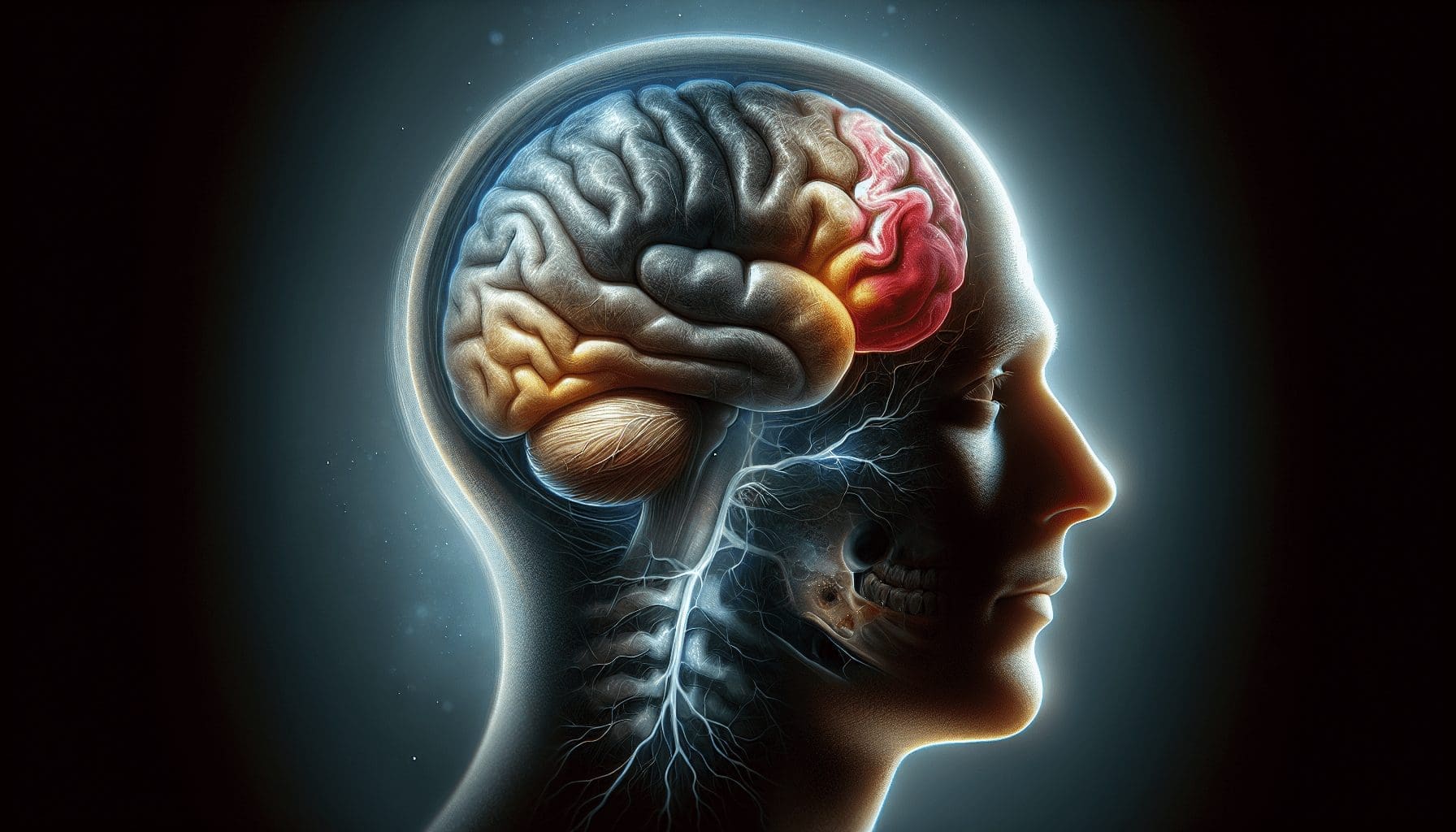


Unravelling the intricate workings of the human brain has been a pursuit that has fascinated scientists for decades. One particular area of interest lies in understanding the biological mechanisms underlying psychopathy. Psychopathy is a complex personality disorder characterised by a lack of empathy, manipulative behaviour, and a disregard for social norms. While genetics and environmental factors play significant roles, emerging research suggests that neurotransmitters may also contribute to the development of psychopathy. In this blog post, we delve into the world of neurotransmitters and their potential link to psychopathy.
1. Dopamine: The Seekers of Thrills
Dopamine, often referred to as the “feel-good” neurotransmitter, plays a crucial role in reward-seeking behaviours, motivation, and pleasure. Studies have found that individuals with psychopathic traits possess different levels of dopamine activity in specific brain regions. This altered dopamine function may explain their relentless pursuit of exhilarating experiences, risk-taking behaviour, and often impulsive decision-making. However, it is important to note that while imbalances in dopamine may increase susceptibility to psychopathic traits, it is not a direct cause of psychopathy itself.
2. Serotonin: Moral Impairment in the Brain
Serotonin, known as the “happiness hormone,” is also involved in regulating mood, impulsiveness, and cognition. Research suggests that individuals with psychopathy exhibit reduced serotonin activity in certain brain regions. This altered serotonin function may contribute to the reduced emotional responsiveness and moral impairment observed in those with psychopathic tendencies. Furthermore, low serotonin levels have been linked to an increased inclination towards aggression and the inability to learn from consequence, adding another dimension to the psychopathic mind.
3. Norepinephrine: Insensitivity to Fear and Stress
Norepinephrine, a neurotransmitter crucial in regulating attention, arousal, and stress response, has been implicated in psychopathy. Studies have shown a heightened norepinephrine response in psychopaths when exposed to distressing or fear-inducing stimuli. This overactive response may contribute to their reduced sensitivity to fear, allowing them to engage in risky or antisocial behaviours without experiencing normal emotional responses. The interplay between norepinephrine imbalances and altered fear processing sheds light on the emotional deficits observed in individuals with psychopathy.
4. Oxytocin: The Missing Link in Empathy
Oxytocin, often referred to as the “love hormone,” is involved in social bonding, trust, and empathy. Psychopathy is characterised by a significant deficit in empathy and understanding the emotions of others. Recent studies propose that oxytocin dysfunction may be a crucial factor underlying this emotional impairment. Individuals with psychopathic traits have shown reduced oxytocin levels, leading to a diminished capacity for empathy and social affiliation.
Conclusion
While the neurochemical basis of psychopathy is complex and multifaceted, understanding the role of neurotransmitters provides valuable insight into the brain chemistry of those with psychopathic traits. Imbalances in dopamine, serotonin, norepinephrine, and oxytocin contribute to the emotional deficits, thrill-seeking behaviour, moral impairment, and reduced fear response observed in psychopaths. Though further research is needed to fully comprehend the intricate connections between neurotransmitters and psychopathy, these findings may open doors to more effective interventions and treatments for this enigmatic personality disorder. By unravelling the secrets hidden within the neurotransmitter network of the brain, we inch closer to comprehending the complexities of the psychopathic mind.
Share this:

You Might Also Enjoy Reading