
In a world where instant gratification is highly sought after, impulse control is becoming an increasingly relevant and challenging topic. From resisting that extra slice of cake to managing impulsive spending habits, our ability to resist temptations is pivotal to achieving long-term goals and maintaining a balanced life. But have you ever wondered what goes on behind the scenes of our brains when it comes to impulse control? In this blog post, we will delve into the fascinating realm of the neurobiology of impulse control and explore the intricate mechanisms that determine our ability to rein in our impulses.
The Prefrontal Cortex: The Manager of Impulse Control
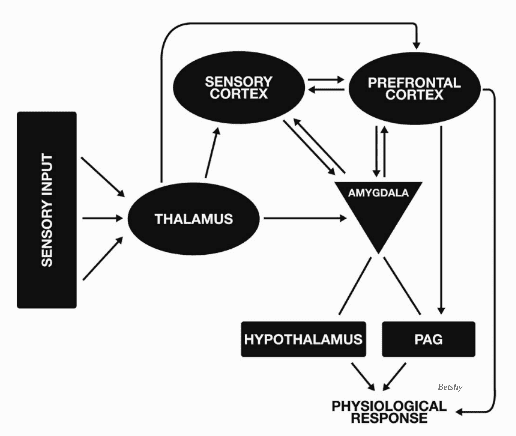
At the heart of impulse control lies a region of the brain known as the prefrontal cortex (PFC). Situated in the frontal lobes, the PFC is responsible for a variety of executive functions, including decision-making, reasoning, and cognitive control. It acts as the ringmaster, orchestrating the interaction between various brain regions and regulating our impulses.
The Limbic System: The Impulse Originator
On the flip side, the limbic system, which includes the amygdala and the nucleus accumbens, plays a significant role in generating impulses. The amygdala, specifically, is responsible for processing emotions and quick, instinctual responses, while the nucleus accumbens is associated with reward-seeking behaviour. When these regions become overactive, it can become a breeding ground for impulsive behaviour.
The Struggle: Balancing Impulses and Control
Impulse control can be likened to a wrestling match between the prefrontal cortex and the limbic system. When faced with a temptation or desire, the limbic system fires off messages of pleasure and gratification, triggering an impulsive urge. At this point, the prefrontal cortex steps in, assessing the situation and weighing the short-term rewards against the long-term consequences. If the impulse is deemed detrimental to our goals or well-being, the PFC endeavours to suppress the impulse and guide us towards making more rational choices.
Neurotransmitters and Impulse Control
Neurotransmitters, the chemical messengers of the brain, also play an essential role in impulse control. Dopamine, a neurotransmitter associated with pleasure and reward, floods the brain when we give in to impulsive desires. This surge can create a sense of euphoria, reinforcing the impulsive behaviour. On the other hand, serotonin, another neurotransmitter, plays a crucial role in inhibiting impulses and promoting self-control. A delicate balance between these neurotransmitters is crucial for maintaining healthy impulse control.
Factors Influencing Impulse Control
Several factors can impact our ability to control impulses. Genetics play a significant role, as some individuals may inherit a predisposition towards impulsive behaviour. Additionally, environmental factors, such as early life experiences or chronic stress, can shape the development of the prefrontal cortex and impair impulse control. Mental health conditions, such as ADHD or addiction disorders, may also disrupt the brain circuits involved in impulse control, making self-regulation more challenging.
Enhancing Impulse Control
While the neurobiology of impulse control may sometimes feel like an uphill battle, there are strategies to enhance self-control. Mindfulness practices, such as meditation, have been shown to strengthen the prefrontal cortex and increase awareness of impulsive thoughts and urges. Regular physical exercise has also been linked to improved impulse control by promoting the release of serotonin and reducing stress levels. Additionally, seeking professional guidance, adopting healthy habits, and creating supportive environments can all contribute to enhancing impulse control.
Conclusion
Understanding the neurobiology of impulse control unveils the intricate dance between various brain regions and their role in shaping our behaviour. Ultimately, impulse control is not solely a matter of willpower; rather, it is a complex interplay between our genetic predisposition, experiences, and brain chemistry. By acknowledging these factors and adopting strategies to enhance impulse control, we can empower ourselves to make wiser choices, nurturing personal growth and achieving long-term goals.
Share this:

You Might Also Enjoy Reading