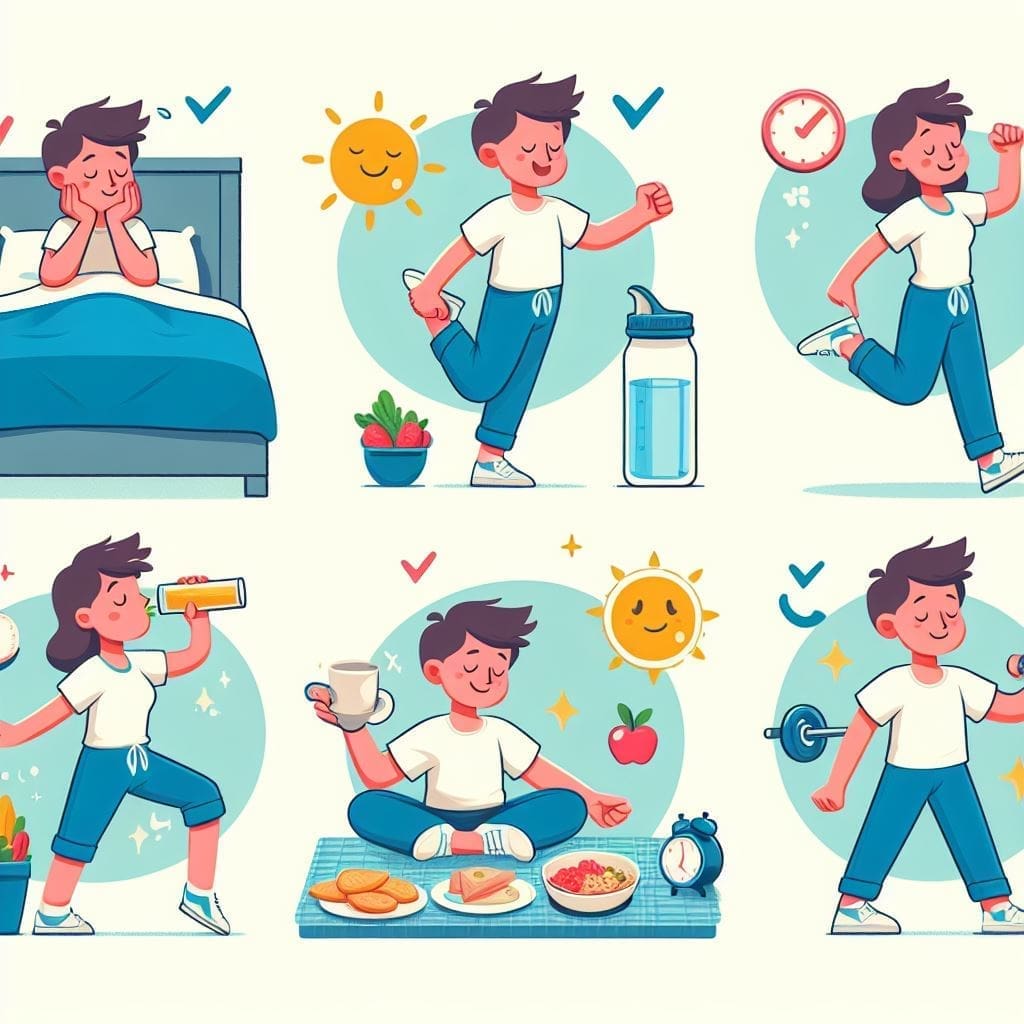
In our fast-paced modern world, filled with ever-increasing stressors, emotional regulation skills have become a crucial coping mechanism for maintaining mental well-being. The art of emotional regulation equips individuals with the ability to effectively manage and navigate their emotions, leading to improved overall resilience and a stronger sense of inner balance. In this blog post, we will explore the significance of emotional regulation skills and discuss practical strategies for cultivating a state of emotional well-being.
Understanding Emotional Regulation
Emotional regulation refers to the ability to recognise, understand, and manage our emotions in a healthy and adaptive manner. It involves being aware of our emotional state, assessing its impact on our thoughts and behaviours, and responding appropriately. Emotional regulation skills empower us to cope with stressful situations, maintain positive relationships, and make rational decisions even during challenging times.
The Benefits of Emotional Regulation
1. Improved Mental Health: The ability to regulate one’s emotions is directly linked to mental health. By developing these skills, individuals can reduce symptoms of anxiety, depression, and other emotional disorders. It enables us to respond constructively to negative emotions, preventing them from spiralling out of control.
2. Enhanced Relationships: Effective emotional regulation fosters better interpersonal connections. By managing our emotions, we can avoid impulsive reactions that may damage relationships. Instead, we can respond with empathy, active listening, and kindness, which promotes understanding, trust, and healthier communication patterns.
3. Increased Resilience: Emotional regulation enhances resilience, allowing individuals to bounce back from setbacks and adapt to challenging situations. By developing emotional agility, we can maintain a clearer perspective and remain focused on finding solutions, rather than getting overwhelmed by obstacles.
Practical Strategies for Cultivating Emotional Regulation Skills
1. Mindfulness Practice: Engaging in mindfulness activities, such as meditation or deep breathing exercises, can help us become more self-aware and attuned to our emotions. This enables us to recognise and acknowledge our feelings without judgement, leading to greater emotional regulation.
2. Developing Emotional Vocabulary: Expanding our emotional vocabulary allows for a more nuanced understanding of our emotions. By labelling and articulating our feelings, we can gain a sense of control over them, effectively navigating their impact on our thoughts and behaviours.
3. Stress Management Techniques: Finding healthy outlets for stress, such as regular exercise, engaging hobbies, or journalling, promotes emotional regulation. These activities promote relaxation and serve as release valves for pent-up emotions.
4. Seeking Support: Talking to a trusted friend, family member, or therapist can provide valuable insights and guidance in developing emotional regulation skills. Professional support can help identify triggers, explore coping strategies, and facilitate personal growth.
Conclusion
Emotional regulation skills are a vital component of maintaining mental well-being in today’s ever-changing world. By nurturing the ability to acknowledge and manage our emotions effectively, we unlock the potential to cultivate resilience, build healthier relationships, and improve our overall quality of life. Embracing the power of emotional regulation equips us with invaluable tools to face life’s challenges with grace and inner harmony. Let us make a commitment to prioritise our emotional well-being and empower ourselves to live a more fulfilling, balanced life.
Share this:

You Might Also Enjoy Reading