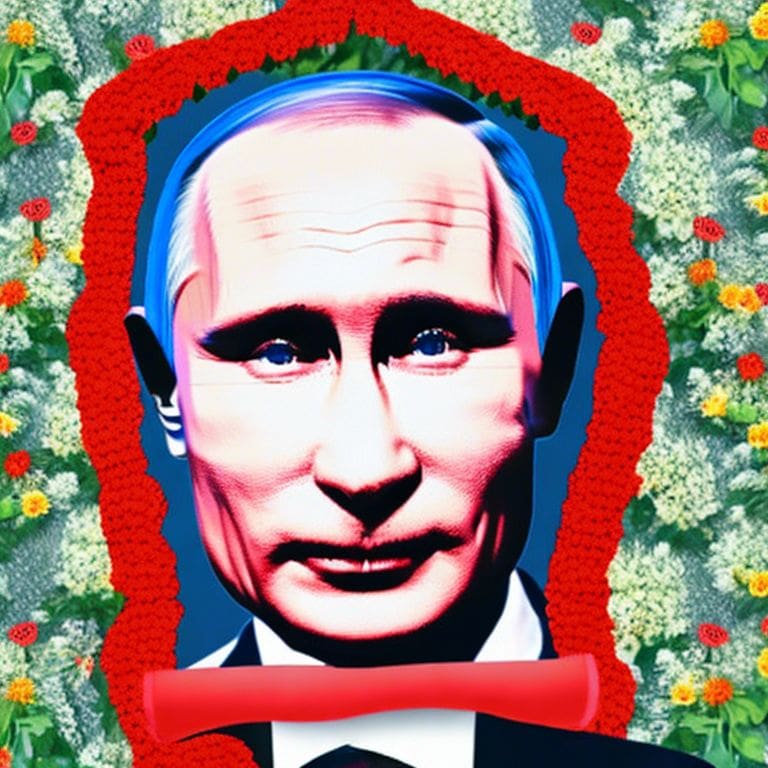

Vladimir Putin, Russia’s enigmatic leader, has fascinated global observers for years. Whether you admire or criticise him, it is undeniable that he possesses a unique psychological profile that has shaped his actions and the course of Russian politics. Understanding the psychology of a world leader like Putin is of utmost importance, as it may shed light on his decision-making processes, motivations, and enduring hold on power. In this blog post, we will delve into the psychology behind Putin’s complex personality and explore some possible factors that have contributed to his rise and behaviour.
1. Background and Early Life
To truly comprehend Putin’s psychology, we must examine his upbringing. Born in 1952 in Soviet Russia, he grew up witnessing the turmoil and decline of the USSR. Scholars argue that this experience deeply impacted his worldview, fostering a desire to restore Russia’s former glory. Living in a politically repressive regime, Putin was raised to value strength, discipline, and resilience – traits that would later define his leadership style.
2. Intelligence and Charisma
Putin is renowned for his sharp intellect, which enables him to adapt to a variety of situations and present himself as a formidable negotiator. His charisma, often masked behind a seemingly nonchalant demeanour, allows him to connect with people and project a strong and confident image. These qualities have undoubtedly contributed to his enduring popularity among many Russians.
3. Psychology of Power
Power plays a central role in Putin’s psychology. Having ascended from being a member of the KGB to becoming the President of Russia, he enjoys the feeling of control and influence. Psychologists suggest that this thirst for power may stem from an innate need to compensate for past feelings of vulnerability. Maintaining power reinforces Putin’s self-worth and protects him from potential threats, real or perceived, leading to his consolidated grip on the Russian political landscape.
4. National Identity and Autocracy
Putin’s politics are heavily influenced by his commitment to Russian nationalism and the preservation of a strong centralised state. Psychology suggests that his emphasis on patriotism resonates deeply with many Russians, instilling a sense of identity and pride. His autocratic tendencies, such as stifling dissent and centralising power, contribute to maintaining control and projecting strength, aligning with his overarching goal of reasserting Russia’s dominance on the global stage.
5. Machiavellian Calculations
Some observers argue that Putin employs Machiavellian tactics in his decision-making processes. Believing the ends justify the means, he is known to exploit weaknesses in adversaries’ strategies to further his own interests. This Machiavellian approach may stem from Putin’s perception of a morally relativistic world, where actions that maintain power are justified, regardless of how they are perceived by others.
Final Thoughts
Understanding the psychology of Vladimir Putin is an ongoing, complex endeavour that requires a deep exploration of his past, personality, and motivations. Through an examination of his background, intelligence, charisma, thirst for power, nationalistic tendencies, and Machiavellian calculations, we gain valuable insights into his mindset and the factors that shape his decision-making.
While this blog only scratches the surface of the enigma that is Vladimir Putin, it highlights the importance of understanding the psychological underpinnings of world leaders. By comprehending the reasons behind their actions, we can better navigate the global political landscape and work towards building a more stable and cooperative future.
Share this:

You Might Also Enjoy Reading