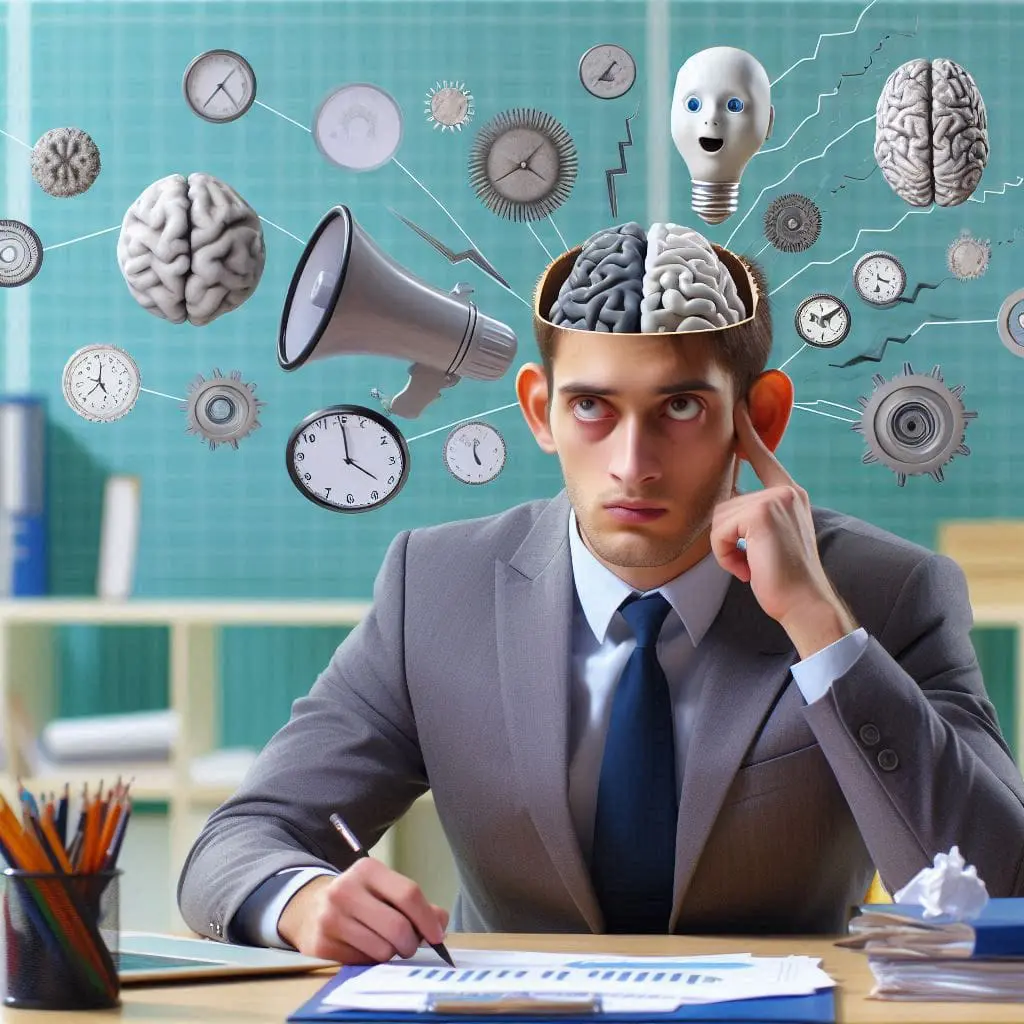
In a world brimming with diverse beliefs, values, and perspectives, moral reasoning plays a crucial role in shaping our personal ethics and decision-making processes. Essentially, moral reasoning refers to the cognitive process through which we evaluate the rightness or wrongness of a particular action or behaviour. By examining the underlying principles and guiding frameworks behind moral judgements, we can gain insight into this intriguing aspect of human cognition. Join me as we explore the foundations, theories, and applications of moral reasoning.
The Foundations of Moral Reasoning
At its core, moral reasoning is deeply rooted in our need to distinguish between right and wrong, instilled within us by our upbringing, culture, and societal norms. Beyond these external influences, moral reasoning draws upon our innate sense of empathy, compassion, and the understanding of the impact our actions have on others. This interplay between external norms and intrinsic values contributes to our individual moral codes, shaping our behaviour and guiding our decision-making.
Theories of Moral Reasoning
Multiple theoretical frameworks have been proposed to explain the process of moral reasoning. One such theory is Kohlberg’s stages of moral development, which posits that moral reasoning evolves in a hierarchical fashion, progressing from self-interest to universal principles. Another influential theory, proposed by Lawrence Kohlberg’s mentor, Jean Piaget, highlights the importance of moral reasoning in the cognitive growth of individuals, demonstrating that moral development evolves in parallel with cognitive development.
Applying Moral Reasoning
Moral reasoning finds practical applications in various domains, including healthcare, business, law, and public policy. In healthcare, for instance, ethical dilemmas often arise when weighing the autonomy of an individual against the potential benefit to society. By employing moral reasoning frameworks, healthcare professionals can navigate these complex decisions while upholding the utmost respect for patient welfare.
Moreover, moral reasoning is indispensable in the business realm, guiding organisations toward responsible practices, fair treatment of employees, and sustainable decision-making. Furthermore, legal systems heavily rely on moral reasoning to deter crime, uphold justice, and maintain social order. By integrating moral reasoning into law and public policy, societies strive to minimise human suffering and promote fairness.
Enhancing Moral Reasoning
While moral reasoning naturally develops over time, individuals can actively enhance their moral reasoning skills. Engaging in moral discussions, seeking diverse perspectives, and familiarising oneself with ethical theories can broaden one’s understanding of diverse moral perspectives. Additionally, practising reflection and introspection can deepen self-awareness and strengthen one’s ability to make ethical choices.
Quick Instructions for Daily Practice
1. Identify the moral issue or dilemma.
2. Gather relevant information and facts.
3. Reflect on personal values, beliefs, and principles.
4. Consider alternative perspectives and ethical theories.
5. Analyse the potential consequences and impact on others.
6. Make a reasoned judgement or decision.
7. Take responsible action based on the judgement made.
Conclusion
Moral reasoning lies at the heart of our ethical compass, guiding us through complex ethical dilemmas and shaping our actions. By understanding the foundations of moral reasoning, exploring theoretical frameworks, and recognising its applications in our daily lives, we can make informed decisions that align with our values. As we continue to navigate a world of diverse beliefs, fostering empathetic and comprehensive moral reasoning will pave the way for a more compassionate and equitable society.
Share this:

You Might Also Enjoy Reading