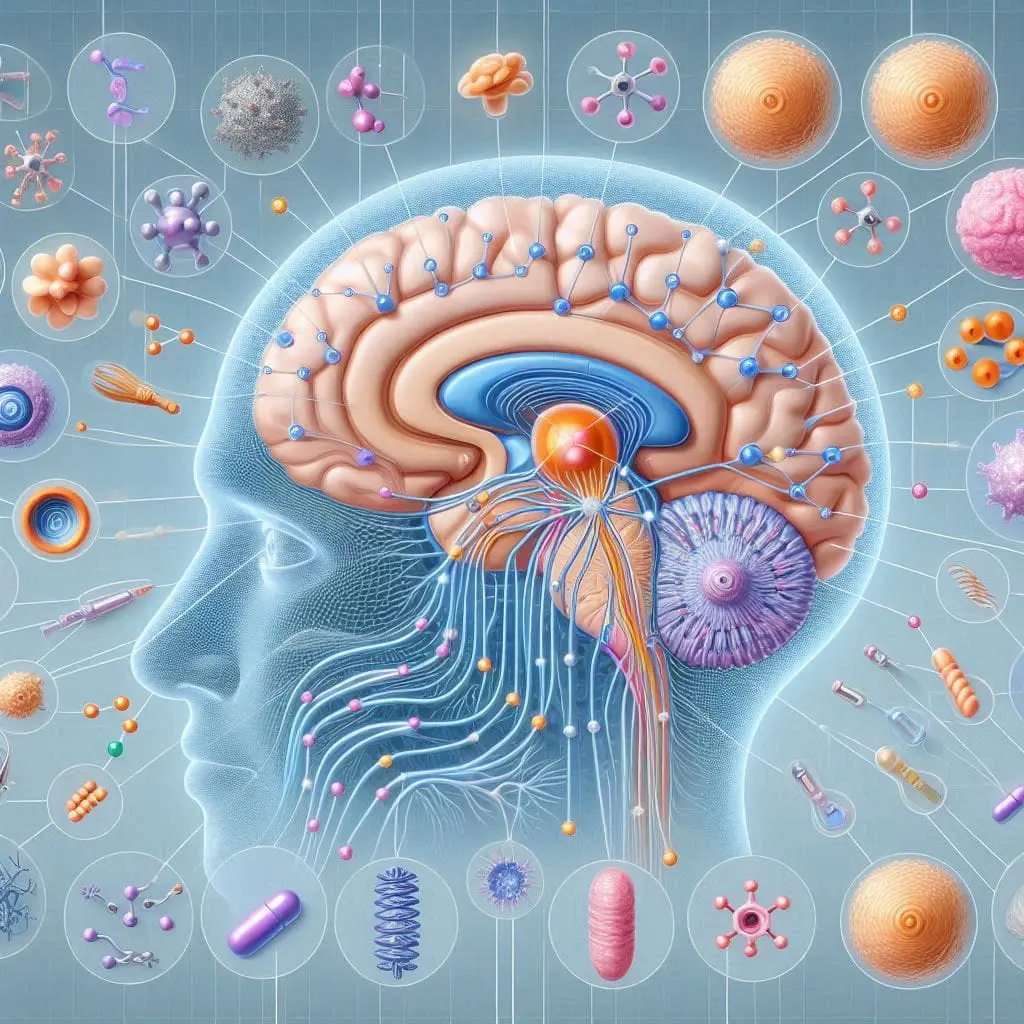

The brain is a complex and intricate organ that controls all of our thoughts, feelings, and actions. Key to this intricate process are neurotransmitters, which are chemical messengers that allow the communication between neurons in the brain. One of the most important neurotransmitters in the brain is glutamate, which plays a crucial role in various brain functions.
Glutamate is the most abundant neurotransmitter in the brain and is known as the “neurotransmitter powerhouse” due to its widespread role in brain function. It is involved in a variety of processes such as learning, memory, and cognition. Glutamate is an excitatory neurotransmitter, which means it activates neurons and increases their electrical activity. This is in contrast to inhibitory neurotransmitters, such as GABA, which decrease neuronal activity.
The glutamatergic system consists of glutamate and its receptors, which are found throughout the brain. There are several types of glutamate receptors, including NMDA, AMPA, and kainate receptors. These receptors play a crucial role in various brain functions such as synaptic plasticity, which is the ability of synapses to strengthen or weaken over time in response to experience.
One of the most well-studied roles of glutamate is in learning and memory. Glutamate plays a key role in synaptic plasticity, which is thought to underlie memory formation. When we learn something new, glutamate is released at synapses and activates receptors, strengthening the connections between neurons and enhancing memory formation. This process is crucial for our ability to learn and remember information.
In addition to its role in learning and memory, glutamate also plays a role in various neurological disorders. Dysregulation of the glutamatergic system has been implicated in disorders such as schizophrenia, epilepsy, and neurodegenerative diseases like Alzheimer’s and Parkinson’s. For example, excessive glutamate release can lead to excitotoxicity, which is a process that can damage neurons and has been implicated in neurodegenerative diseases.
Understanding the glutamatergic system is crucial for developing new treatments for these disorders. Researchers are currently exploring new drugs that target glutamate receptors to treat conditions such as depression, anxiety, and schizophrenia. By targeting the glutamatergic system, researchers hope to develop more effective therapies for these disorders.
Overall, the glutamatergic system is a fascinating and crucial aspect of brain function. Its role in learning, memory, and neurological disorders makes it an important area of study for researchers. By understanding the intricacies of the glutamatergic system, we can gain valuable insights into how the brain works and develop new treatments for a variety of neurological disorders.
Share this:

You Might Also Enjoy Reading