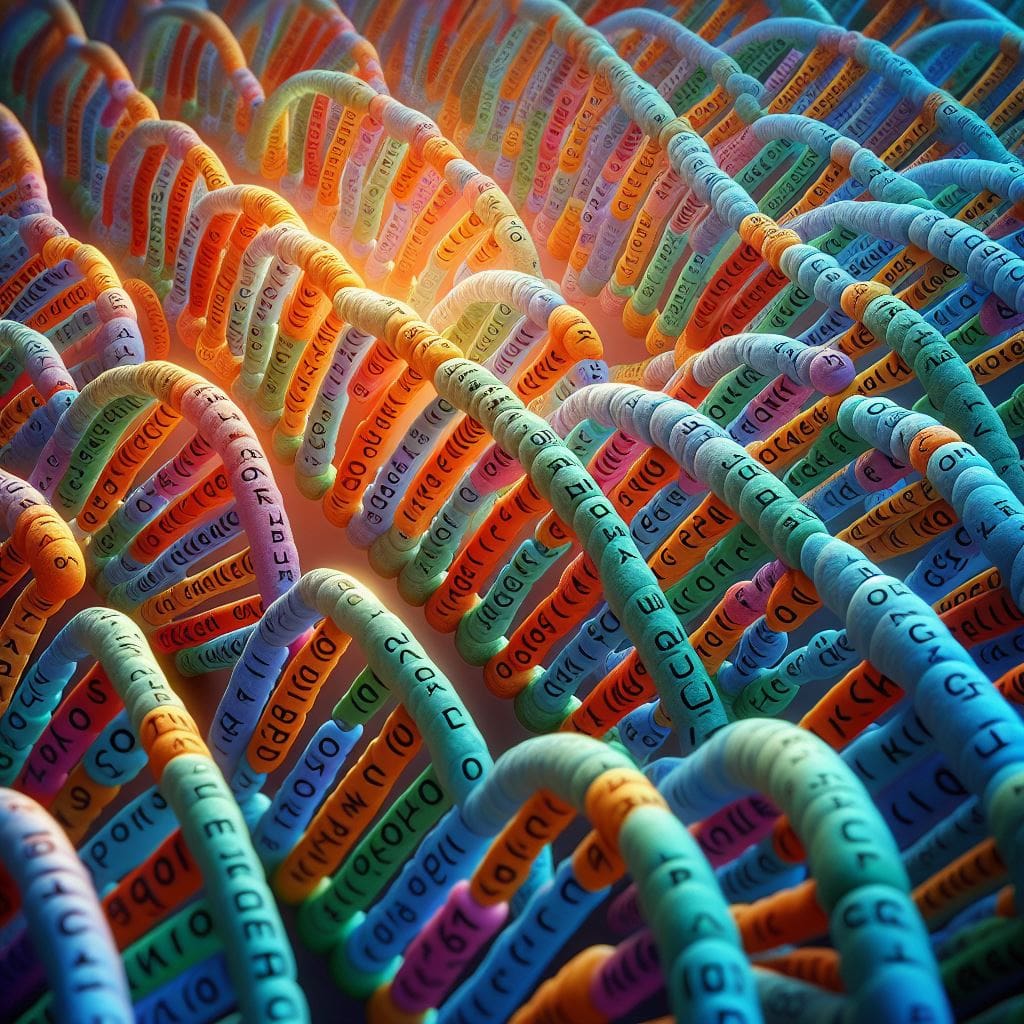
Methylation patterns in our DNA have gained significant attention in the field of genetics and health research in recent years. Methylation refers to the addition of a methyl group (CH3) to a DNA molecule, affecting the expression of genes and playing a crucial role in regulating various cellular processes.
Methylation patterns are epigenetic modifications that can influence gene expression without altering the underlying DNA sequence. These patterns can be influenced by a variety of factors, including environmental exposures, lifestyle choices, and genetic predispositions. Changes in methylation patterns have been linked to various diseases, such as cancer, autism, and cardiovascular disease.
Researchers are increasingly investigating the role of methylation patterns in disease development and progression. By studying these patterns, scientists hope to better understand the mechanisms underlying certain diseases and potentially identify new therapeutic targets. For example, studies have shown that aberrant methylation patterns in certain genes can lead to the development of cancer, and researchers are exploring ways to target these epigenetic changes with novel treatment approaches.
In addition to their role in disease, methylation patterns also play a crucial role in normal development and cellular function. Proper regulation of methylation patterns is essential for maintaining cell identity, controlling gene expression, and ensuring proper function of various biological processes.
Advancements in technology have made it easier for researchers to study methylation patterns on a genome-wide scale. High-throughput sequencing techniques, such as whole-genome bisulfite sequencing, allow scientists to map methylation patterns across the entire DNA landscape and identify regions where methylation changes may be occurring.
Overall, methylation patterns are a fascinating area of research with broad implications for human health and disease. By understanding how these patterns are regulated and how they influence gene expression, scientists hope to unlock new insights into disease mechanisms and develop innovative approaches for diagnosis and treatment. Stay tuned for more exciting discoveries in the field of epigenetics and methylation patterns.
Share this:

You Might Also Enjoy Reading