

In recent years, mental health awareness has reached new heights, with an increasing emphasis on understanding and supporting individuals struggling with various mental health conditions. However, there are still some highly stigmatised and misunderstood issues that require our attention, such as homicidal ideation. Homicidal ideation refers to recurring thoughts, fantasies, or urges to commit acts of violence or murder. In this blog post, we aim to shed light on this complex mental health issue, exploring its causes, associated risk factors, and available support resources.
Exploring the Causes
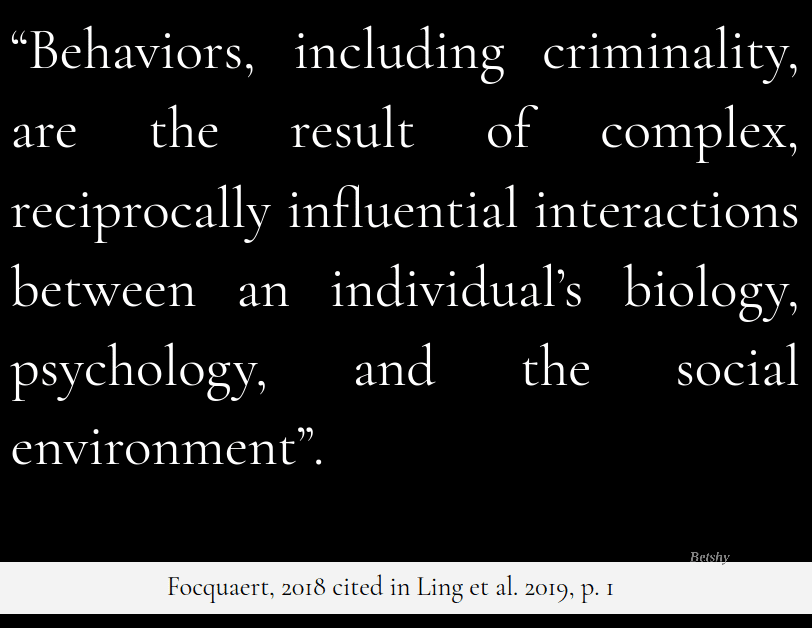
Homicidal ideation can stem from a combination of psychological, environmental, and social factors. While it is essential to note that most individuals experiencing homicidal thoughts do not act on them, it is crucial to understand the potential underlying causes of such ideation. Often, individuals with homicidal ideation may have a history of trauma, including childhood abuse, neglect, or exposure to violence. Mental health conditions, such as depression, personality disorders, or psychosis, might also contribute to the presence of these intrusive thoughts. Additionally, research has suggested that certain neurological and genetic factors may play a role, though further studies are needed.
Identifying Risk Factors
Recognising the risk factors associated with homicidal ideation is crucial for intervention and prevention efforts. Some of the common risk factors for developing these thoughts include a history of aggressive behaviour, substance abuse problems, social isolation, access to weapons, paranoia, having a history of violent victimisation, or experiencing unstable living conditions. It is important to keep in mind that these factors do not automatically mean someone will experience homicidal ideation, but they serve as indicators for heightened vulnerability.
Support and Treatment Options
For individuals experiencing homicidal thoughts, seeking support and appropriate treatment is paramount. Mental health professionals, such as psychiatrists or psychologists, are trained to provide the necessary assessment and treatment options. Therapy, including cognitive-behavioural therapy (CBT) and dialectical behaviour therapy (DBT), may be effective in managing and minimising these thoughts. Medication, particularly selective serotonin reuptake inhibitors (SSRIs), may also be prescribed when necessary. It is crucial to remember that treatment should be tailored to each individual’s unique circumstances and needs.
Creating a Safe and Non-judgemental Environment
It is vital to foster a safe environment that encourages open discussions about mental health issues such as homicidal ideation. By reducing the stigma surrounding these thoughts, individuals experiencing them may be more likely to seek help without fear of judgement or rejection. Friends, family, and society as a whole must educate themselves on how to provide support, empathy, and understanding to those struggling with homicidal ideation. Compassion and active listening can go a long way in helping individuals overcome their difficulties and seek the necessary help they need.
Conclusion
Homicidal ideation is a complex mental health issue that requires our attention and understanding. By recognising the underlying causes, risk factors, and available support options, we can assist individuals struggling with these thoughts in finding the help and support they need. By fostering a compassionate and non-judgemental environment, we can work towards reducing the stigma surrounding this issue and promote a society that values mental health and wellbeing for all.
Share this:

You Might Also Enjoy Reading