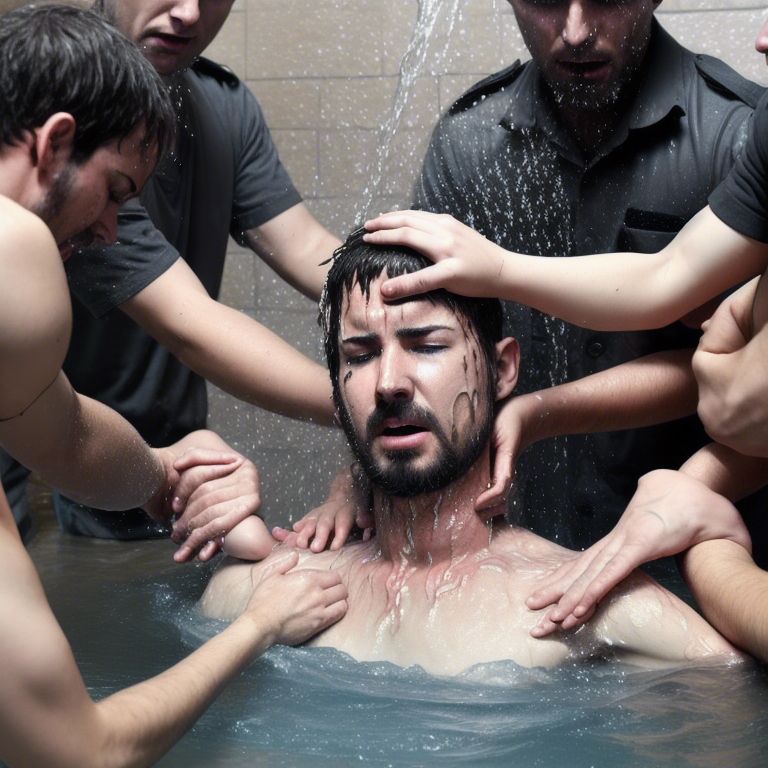

When we think of torture, grim images of physical pain and suffering often come to mind. Yet, it’s crucial to recognise that beyond the obvious physical scars, the psychological impact of torture can leave an enduring and far-reaching effect on victims. The severe emotional trauma inflicted during this abhorrent practice can profoundly alter a person’s sense of self, their relationships, and their mental well-being. In this blog post, we delve into the psychological effects of torture, shedding light on the unseen wounds borne by survivors.
1. Post-Traumatic Stress Disorder (PTSD)
One of the most common psychological consequences of torture is the development of Post-Traumatic Stress Disorder (PTSD). PTSD is characterised by recurrent and intrusive distressing memories, nightmares, flashbacks, and a heightened state of anxiety and hypervigilance. These symptoms can severely disrupt an individual’s ability to function in everyday life, impacting their sleep, work, and relationships. Additionally, the fear of retribution and the constant anticipation of danger can persist long after the physical torture has ceased.
2. Depression and Anxiety
Torture survivors often grapple with a range of emotional ailments, including depression and anxiety. The psychological anguish experienced during torture leaves lasting imprints on the mind, leading to a profound sense of hopelessness, despair, and a loss of interest in previously enjoyed activities. This deeply rooted depression can make survivors feel alienated, disconnected, and isolated from others, leaving them struggling to reestablish a sense of normalcy and purpose in their lives. Concurrently, anxiety disorders such as panic disorder and generalised anxiety disorder can plague survivors, making everyday situations challenging, as they may be perpetually on edge and filled with apprehension.
3. Dissociation and Identity Fragmentation
Torture often shatters an individual’s sense of identity and disrupts their fundamental beliefs and understanding of the world. A common response to trauma is dissociation – a state where the mind disengages from the present, numbing emotions and creating a mental distance from the painful experiences endured. Individuals may also experience fragmented identities, as their sense of self becomes splintered, making it challenging to establish a coherent and stable personality.
4. Trust and Relationship Issues
As torture involves the intentional infliction of pain and suffering by another human being, survivors often develop deep-rooted trust issues. The betrayal and dehumanisation experienced during torture can lead to difficulties in forming and maintaining relationships. Intimacy becomes challenging, as survivors may struggle to feel safe, vulnerable, and deserving of love. Rebuilding trust becomes a monumental task, as the fear of future harm or exploitation lingers, resulting in further social isolation.
Conclusion
Torture’s psychological effects extend far beyond visible injuries, leaving individuals with emotional scars that can be lifelong. Acknowledging these often unseen wounds is crucial for us to support survivors on their path to healing. By raising awareness of the psychological consequences of torture, we can advocate for adequate mental health care, psychotherapy, and support systems aimed at helping survivors rebuild their lives, restore their sense of self, and reclaim their dignity. Only through compassionate understanding and targeted interventions can we hope to mitigate the devastating psychological effects of torture and encourage a more humane and empathetic world.
Share this:

You Might Also Enjoy Reading