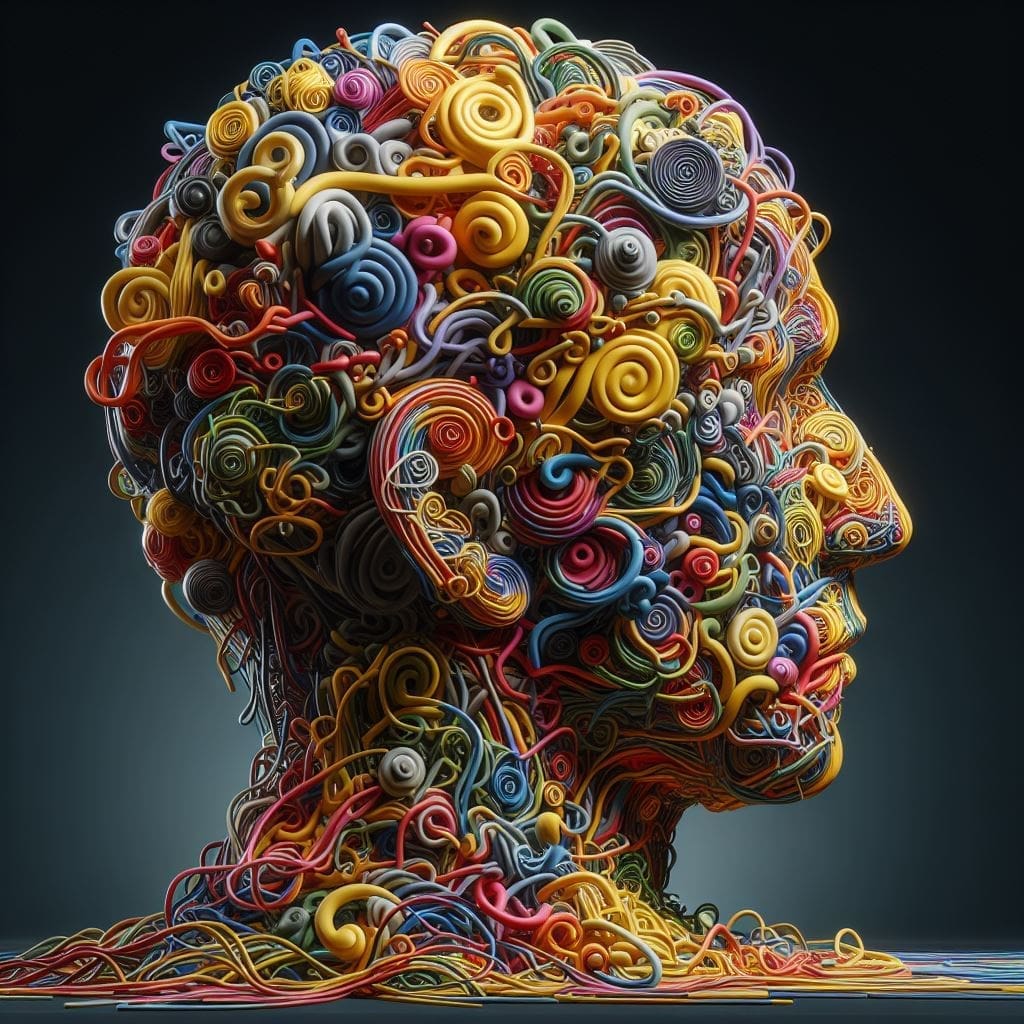

Mental health is just as important as physical health, yet it often goes overlooked. We often focus on our physical well-being, but neglect to check in on our mental state. It’s important to recognise the signs of mental stability in ourselves and others, so that we can address any issues before they escalate.
Here are some signs that a person is mentally stable:
1. They have healthy coping mechanisms: Someone who is mentally stable is able to navigate and cope with stress in a healthy way. They may utilise techniques such as exercise, meditation, or talking to a therapist to help manage their emotions.
2. They have a strong support system: A mentally stable person has a network of friends and family members who they can turn to for support. They feel comfortable reaching out for help when they need it, and know that they are not alone.
3. They have good self-esteem: A mentally stable person has a positive self-image and feels confident in their abilities and worth. They are able to accept themselves for who they are, flaws and all.
4. They have a sense of purpose: People who are mentally stable have clear goals and aspirations that drive them forward in life. They are able to find meaning and fulfilment in their work, relationships, and hobbies.
5. They are able to regulate their emotions: A mentally stable person is able to express their emotions in a healthy and constructive way. They are not prone to extreme mood swings or outbursts of anger.
6. They have a balanced lifestyle: Someone who is mentally stable takes care of their physical health as well as their mental health. They prioritise sleep, exercise, and self-care in order to maintain a healthy lifestyle.
7. They have healthy relationships: A mentally stable person is able to form and maintain healthy relationships with others. They are able to communicate effectively, resolve conflicts, and set boundaries in their relationships.
It’s important to remember that mental health is a spectrum, and everyone experiences periods of instability from time to time. However, by recognising the signs of mental stability in ourselves and others, we can work towards achieving and maintaining a healthy state of mind. Remember, it’s okay to not be okay, but it’s important to seek help and support when needed.
Share this:

You Might Also Enjoy Reading