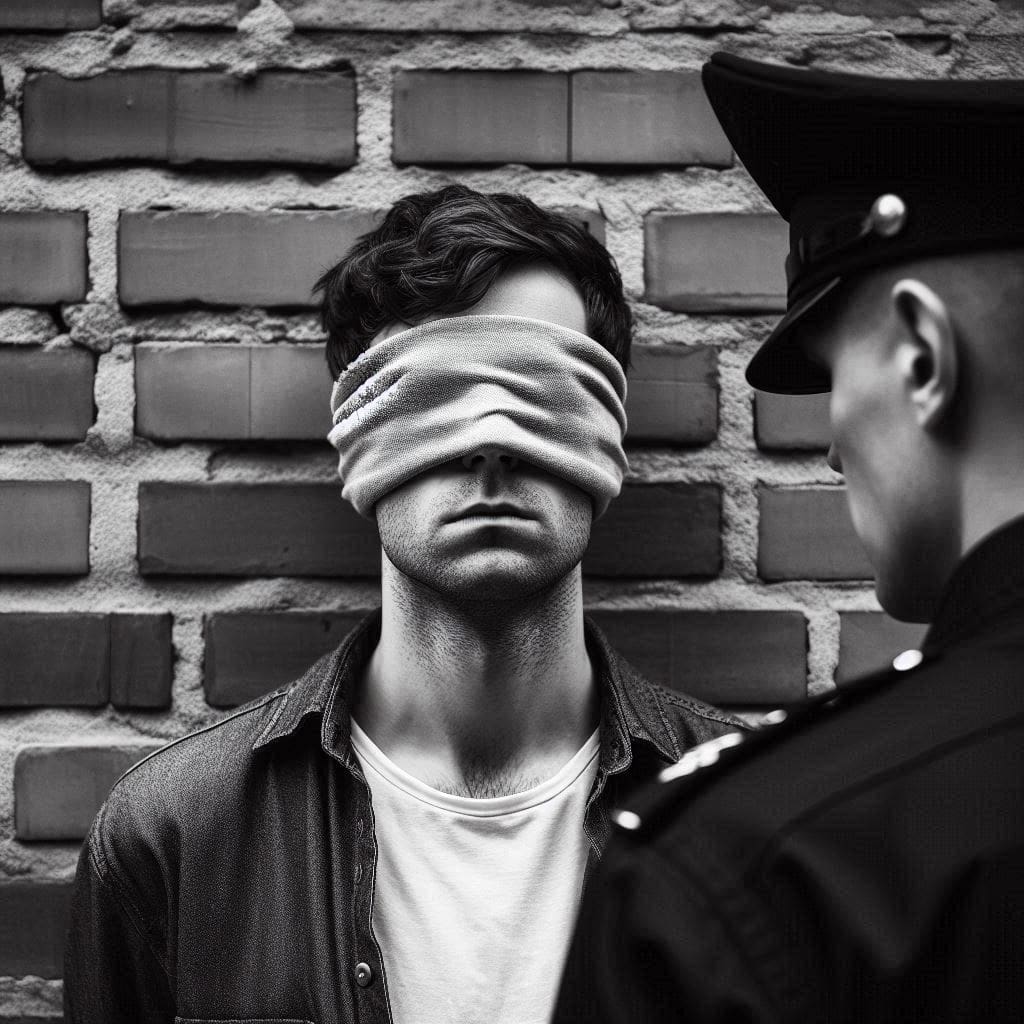

Sharia Law has been a hot topic of debate in recent years, with some advocating for its implementation in certain countries while others vehemently oppose its existence. While proponents argue that Sharia Law is a necessary part of preserving traditional values and religious beliefs, the dangers associated with it cannot be overlooked.
One of the biggest concerns with Sharia Law is the way it can be used to justify human rights abuses, particularly against women and minorities. Under Sharia Law, women are often seen as second-class citizens, with their rights and freedoms severely restricted. Women can be subjected to harsh punishments for perceived violations of moral codes, such as adultery or disobedience to their husbands. Similarly, minorities can face discrimination and persecution under Sharia Law, as they are often viewed as inferior to the dominant Muslim majority.
Another major issue with Sharia Law is its potential for arbitrary and unfair application. The interpretation of Sharia Law can vary widely depending on who is in power, leading to inconsistencies in how the law is enforced. This lack of clarity and consistency can result in unjust outcomes, with individuals being punished unfairly or disproportionately.
Furthermore, Sharia Law can be used as a tool for political repression and control. Governments that implement Sharia Law often use it to silence dissent and suppress opposition, as any criticism of the law can be seen as blasphemous or heretical. This can have a chilling effect on freedom of speech and expression, as individuals may fear speaking out against the government for fear of retribution.
In conclusion, while proponents of Sharia Law argue that it is a necessary part of upholding traditional values and religious beliefs, the dangers associated with it cannot be ignored. From human rights abuses to arbitrary and unfair application, Sharia Law poses significant risks to individuals and societies. It is essential to carefully consider the implications of implementing Sharia Law and to ensure that it does not violate fundamental human rights and freedoms.
Share this:

You Might Also Enjoy Reading