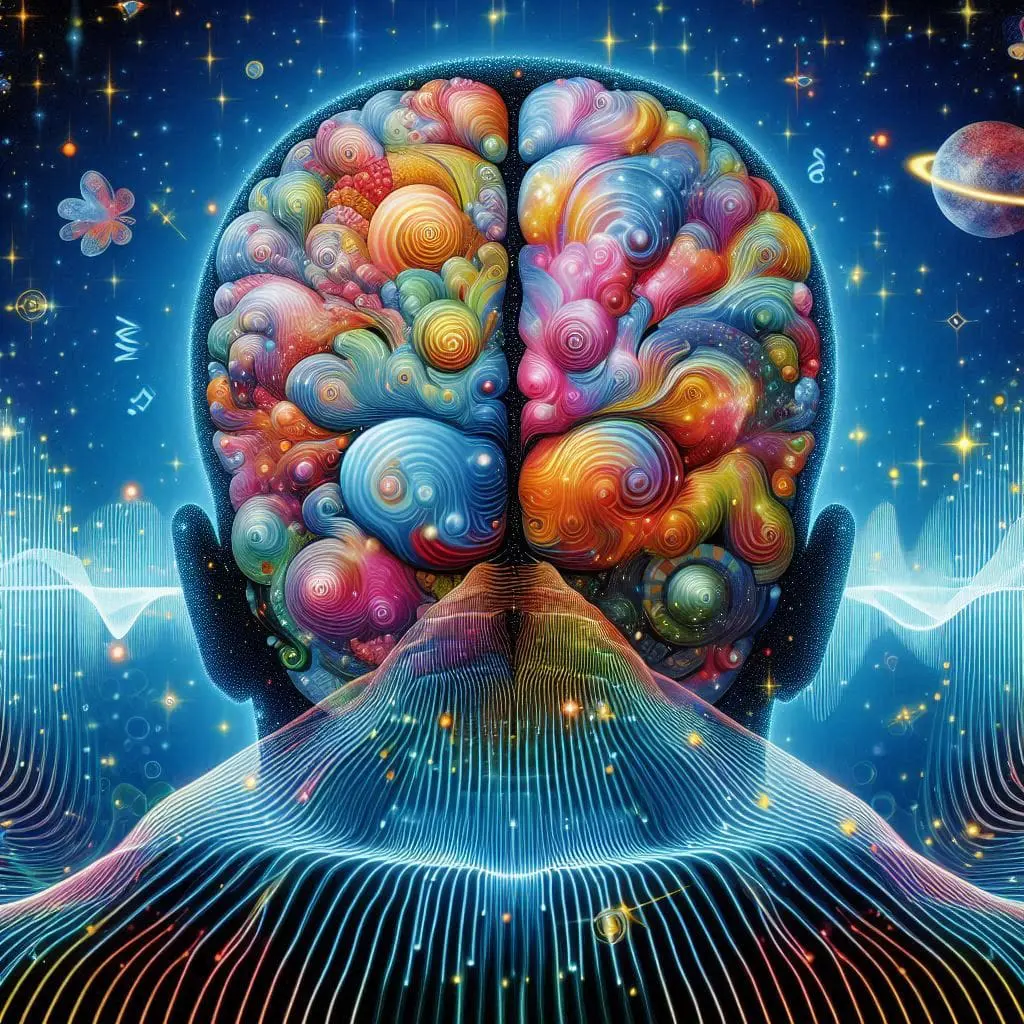
In the modern era, individuals face a myriad of challenges and complexities when it comes to understanding and defining their identities. From societal expectations to self-discovery, the quest to establish a vivid sense of self can take various forms. One psychological phenomenon that often arises during this journey is called identity diffusion. In this blog post, we will delve deeper into the concept of identity diffusion, exploring its meaning, manifestations, common causes, and potential outcomes.
Understanding Identity Diffusion
Identity diffusion is a term coined by developmental psychologist Erik Erikson, which refers to an individual’s struggle to form a cohesive and stable sense of self. It occurs when a person experiences a lack of commitment to any particular identity, feeling lost or unsure about who they are and what they stand for. In essence, it symbolises a state of internal confusion and uncertainty about one’s values, beliefs, goals, aspirations, and overall identity.
Manifestations of Identity Diffusion
Identity diffusion can manifest in various ways and can be observed in people of all ages. Some common indicators include:
1. Superficial Exploration: Individuals with identity diffusion tend to explore various paths, but often in a superficial or fleeting manner. They may dabble in different interests or lifestyles without fully immersing themselves or committing to any.
2. Lack of Direction: A hallmark of identity diffusion is a sense of aimlessness or confusion about future goals and aspirations. One may feel unsure about their career path, relationships, or personal values, leading to a state of existential angst.
3. Shifting Identities: People in an identity diffusion state may frequently change their social circles, hobbies, or even their appearances, seeking to adapt to different environments or fit in with specific groups without grounding themselves in an authentic self.
4. Resistance to Commitment: Due to their lack of a clear sense of identity, individuals experiencing identity diffusion often struggle with making commitments or taking on responsibilities. This can, in turn, affect their personal and professional growth.
Causes of Identity Diffusion
Identity diffusion can arise from a combination of various factors, including:
1. Parental Influence: Inadequate support, emotional neglect, or over-controlling parenting styles may hinder the child’s exploration and sense of self. This can hinder the development of a cohesive identity.
2. Cultural Expectations: Societal or cultural pressures to conform to specific norms or ideals can also contribute to identity diffusion. Struggling to reconcile one’s individuality with societal expectations can lead to confusion and internal conflict.
3. Traumatic Experiences: Traumatic events, such as loss, abuse, or big life transitions, can disrupt one’s sense of identity. These experiences can trigger feelings of insecurity and confusion, further exacerbating identity diffusion.
Outcome and Exploration
Identity diffusion does not necessarily have to be a permanent state, and individuals can navigate their way out of it. This process often involves self-reflection, introspection, and deep exploration of personal values, passions, and aspirations. Seeking professional help from therapists or counsellors can also provide valuable guidance in uncovering and reconciling the underlying causes of identity diffusion.
By embracing self-exploration, fostering meaningful connections, and engaging in activities that align with one’s values and interests, individuals can gradually move toward a more consolidated sense of self. Patience, self-compassion, and an open mindset are key tools in this transformative journey.
Conclusion
Identity diffusion is a complex psychological condition that many individuals experience in their lifetime. Rooted in feelings of uncertainty and internal strife, it represents a significant challenge in the pursuit of personal growth and self-realisation. By acknowledging the existence of identity diffusion, understanding its origins, and actively engaging in self-discovery, individuals can begin to forge a clearer and more authentic sense of identity, leading to a more fulfilling and purposeful life.
Share this:

You Might Also Enjoy Reading