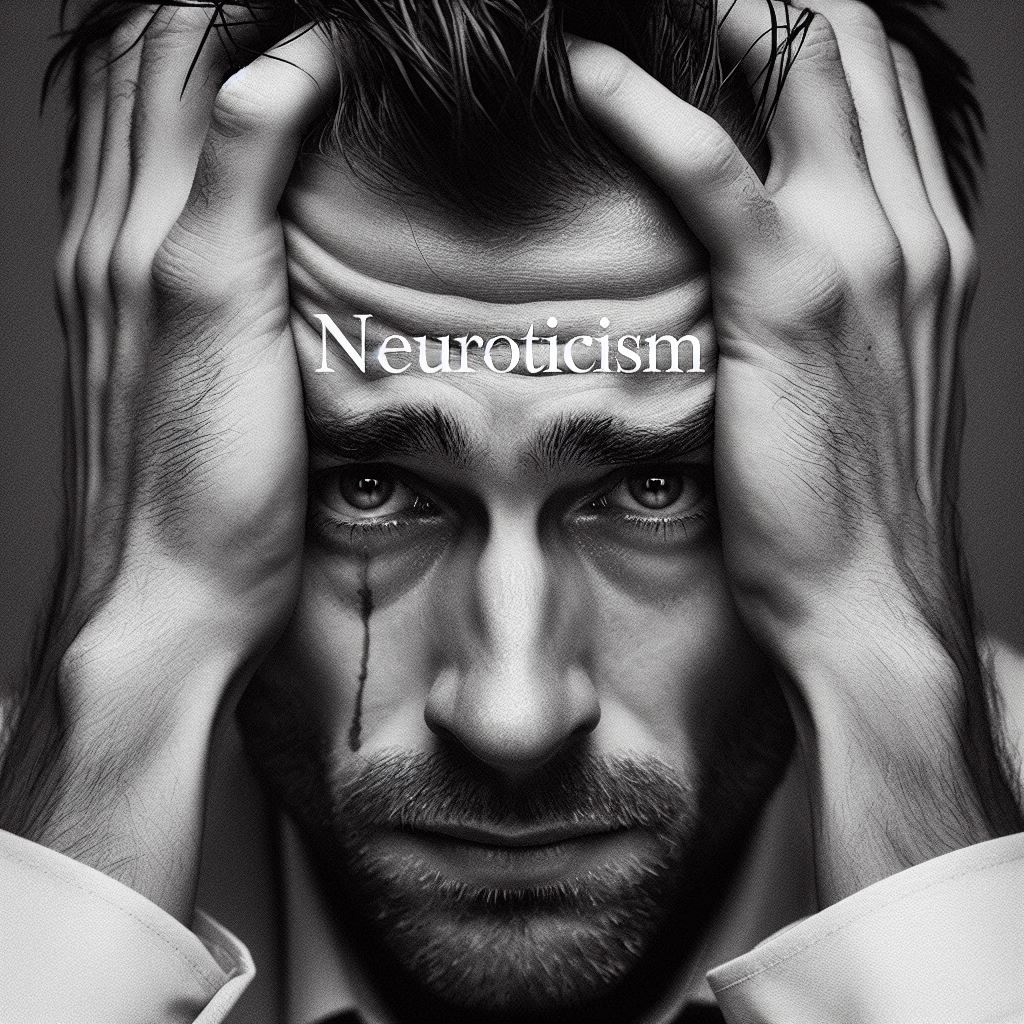
In today’s interconnected world, it has become increasingly evident that narcissistic personalities are more prevalent than we may realise. The term “narcissism” often conjures images of self-absorbed individuals obsessed with their appearance or status. However, there is a much darker side to their behaviour that often goes unnoticed: narcissistic humiliation. This emotionally manipulative tactic can cause lasting damage to the victims, leaving them scarred and emotionally drained. Let’s delve into the disturbing world of narcissistic humiliation and explore its impact on victims.
Understanding Narcissistic Humiliation
Narcissists derive pleasure from exercising control and power over others. They exploit their victims’ vulnerabilities, employing various tactics to systematically undermine their self-worth. Humiliation serves as a potent tool for the narcissist, fuelling their egos while eroding the victim’s sense of self.
Characteristics of Narcissistic Humiliation
1. Ridicule and belittlement: Narcissists often use sarcasm and mockery to demean their victims, inflicting emotional wounds that can take years to heal. They exploit any perceived flaw, manipulating situations to not only embarrass the victim but also engender a deep sense of shame and self-loathing.
2. Public humiliation: The narcissist finds pleasure in exposing their victim’s vulnerabilities to others, relishing in their control and asserting dominance. By publicly humiliating their victims, they exploit the fear of social rejection, creating a sense of powerlessness and isolation.
3. Gaslighting: This insidious tactic involves manipulating someone’s perception of reality, making them doubt their own experiences, emotions, and memories. By undermining the victim’s sanity and making them question their own judgement, the narcissist gains power through psychological manipulation and humiliation.
The Impact on Victims
The aftermath of narcissistic humiliation is devastating for victims, often leading to profound emotional and psychological trauma. Some of the consequences include:
1. Low self-esteem: Constant ridicule and humiliation drive victims to question their worth and capabilities. This perpetual emotional assault chips away at their self-esteem, leaving them feeling unworthy and undeserving of respect.
2. Isolation and mistrust: Victims of narcissistic humiliation often withdraw from relationships, fearing further humiliation and betrayal. The isolation can be both physical and emotional, leading to a deep distrust of others and social withdrawal.
3. Complex trauma: Narcissistic humiliation can result in complex post-traumatic stress disorder (C-PTSD), characterised by symptoms such as depression, anxiety, flashbacks, and nightmares. The victims’ traumatic experiences become deeply ingrained, wreaking havoc on their mental well-being.
Healing and Moving Forward
Recovering from narcissistic humiliation is a challenging journey, but it is possible. Here are some steps victims can take towards healing:
1. Seek support: Reaching out to trusted friends, family members, or professional therapists can provide invaluable support during the healing process.
2. Set boundaries: Establish clear boundaries with the narcissist, limiting their ability to continue their manipulative behaviour.
3. Build self-esteem: Engage in activities that boost self-confidence and self-worth. Focus on personal growth and surround yourself with positive influences.
4. Practice self-care: Prioritise self-care by engaging in activities that bring joy and relaxation. Taking care of your physical and mental well-being is crucial for healing.
Conclusion
Narcissistic humiliation is a destructive aspect of emotional abuse that narcissists employ to assert control and power over their victims. Understanding its tactics and the impact on the victim is the first step towards healing and breaking free from the toxic influence. Remember, no one deserves to be humiliated or undermined, and by building resilience and seeking support, victims can embark on a journey towards reclaiming their self-worth and living a fulfilled life.
Share this:

You Might Also Enjoy Reading