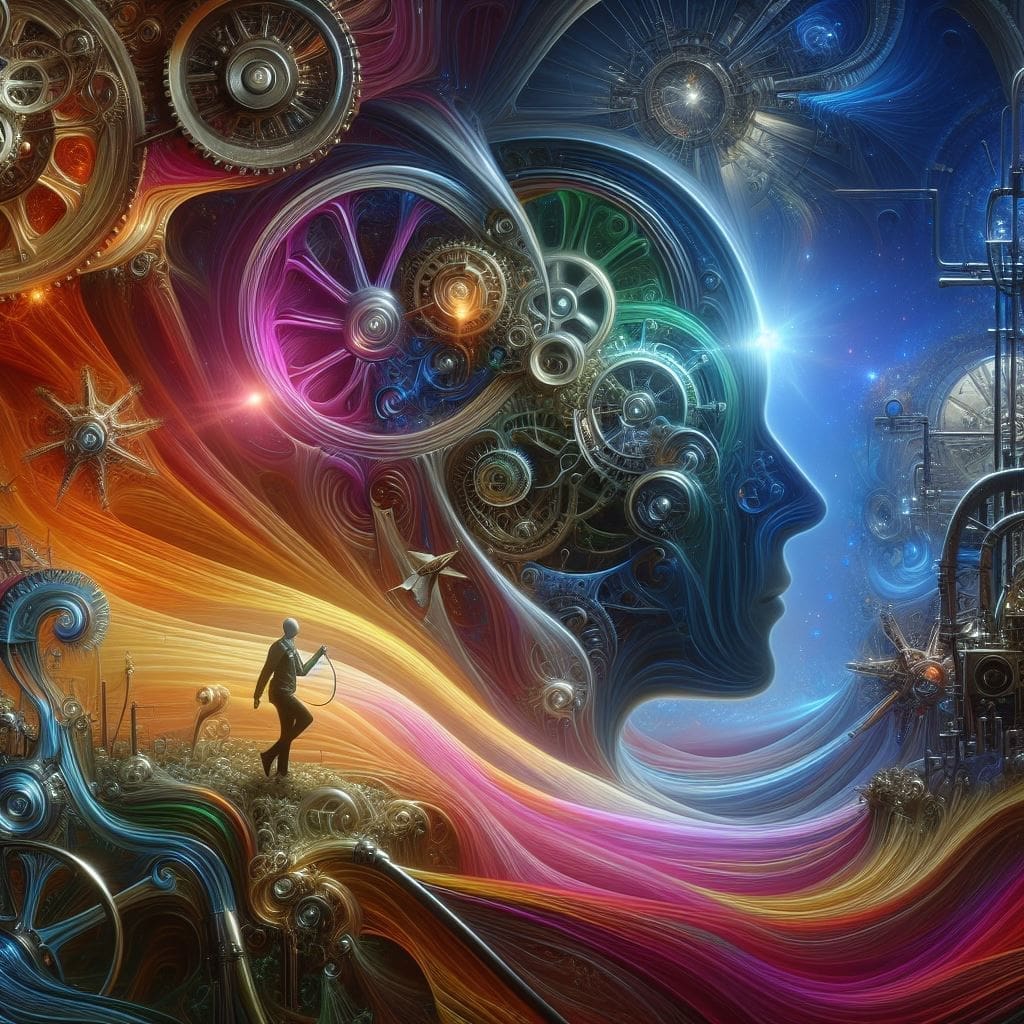

Fantasies have often been seen as mere whimsical daydreams or escape mechanisms from reality. However, delving deeper into the realm of human psychology reveals that fantasies play a significant role in shaping our thoughts, emotions, and even behaviours. These seemingly trivial inner worlds can be a valuable tool for self-discovery and personal growth. In this blog post, we will explore the fascinating psychology behind fantasies and uncover their potential therapeutic benefits.
1. Understanding the Nature of Fantasies
Fantasies encompass a broad range of imaginative thoughts, scenarios, and desires that can be conscious or unconscious. They often serve as an outlet for creativity, wish fulfilment, or a means to explore unfulfilled aspects of one’s life. By building these imaginary narratives, individuals can experiment with different identities, explore taboo desires, or find solutions to real-life challenges.
2. Emotional Catharsis and Escapism
Fantasies provide a healthy escape from the rigours of everyday life, offering an emotional catharsis that allows individuals to temporarily set aside their anxieties, stressors, and problems. Such imaginative journeys transport us to a world full of endless possibilities, where we can experience anything without judgement or consequences.
3. Exploring Unconscious Desires and Fears
Psychoanalytic theories propose that fantasies provide a space for individuals to express their unconscious desires, fears, and unresolved conflicts. These deep-seated emotions often remain hidden in our subconscious yet manifest through symbolic representations in fantasies. By analysing these symbolic elements, one can gain insight into underlying psychological complexities and work towards resolving them.
4. Self-Reflection and Personal Growth
Fantasies can serve as a powerful tool for introspection, helping individuals clarify their values, goals, and aspirations. By exploring various scenarios in their minds, individuals can gain a deeper understanding of their own core desires, motivations, and strengths. This self-reflection paves the way for personal growth, self-discovery, and enhanced self-awareness.
5. Therapeutic Potential
Therapists often employ the technique of guided imagery, a form of fantasy-based visualisation, to help clients examine deeper emotions, traumas, and unresolved conflicts. By exploring the subconscious through fantasy, individuals can gain valuable insights and initiate the healing process. Furthermore, fantasy-based therapies like psychodrama or role-playing can allow individuals to experiment with new behaviours, fostering personal development and self-confidence.
Conclusion
By understanding the psychology of fantasies, we begin to appreciate the significant role they play in our lives. Through imaginative narratives, we escape, explore, and forge new paths towards personal growth and self-realisation. Embracing fantasies as a means of self-reflection and utilising them therapeutically can unlock a world of untapped potential, offering invaluable insights into our emotions, desires, and inner complexities. So, indulge in your wildest daydreams, because within them lies the power to shape your reality.
Share this:

You Might Also Enjoy Reading