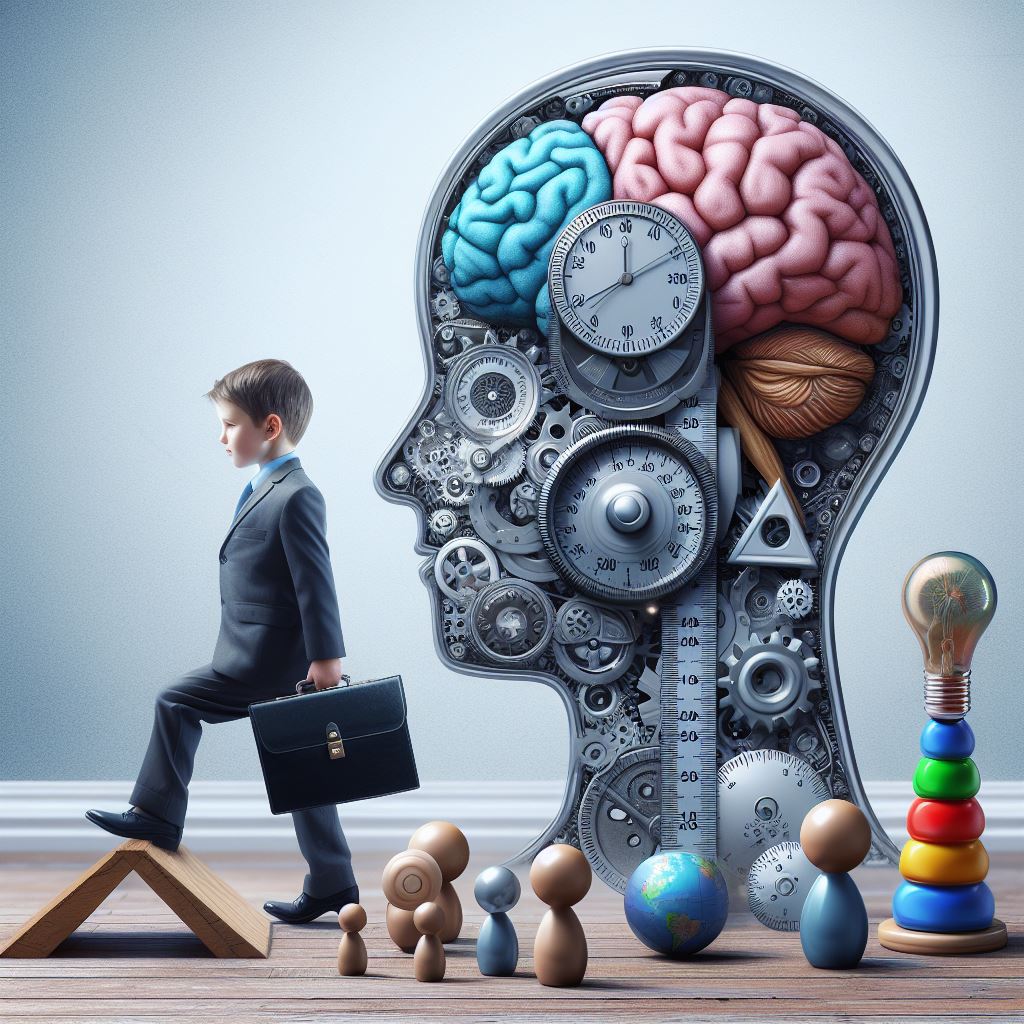

When we think of intelligence, our minds often gravitate towards the traditional understanding of IQ (Intelligence Quotient), which primarily assesses cognitive abilities such as logical reasoning, problem-solving, and mathematical skills. However, intelligence is not limited to these specific traits. In fact, psychologists and researchers have identified multiple types of intelligence, each emphasising distinct skills and abilities. This broader perspective of intelligence helps us recognise and appreciate the diverse talents and capabilities that individuals possess. So, let’s explore some of these alternative types of intelligence beyond the conventional IQ measures.
1. Linguistic Intelligence
Linguistic intelligence pertains to an individual’s proficiency in verbal and written communication. People with high linguistic intelligence have a keen ability to express ideas, utilise language effectively, and easily comprehend complex linguistic concepts. Writers, poets, orators, and journalists are often found to possess exceptional linguistic intelligence.
2. Logical-Mathematical Intelligence
Logical-mathematical intelligence, often the spotlight of IQ tests, centres around critical thinking, logical reasoning, problem-solving, and numerical capabilities. Those with high logical-mathematical intelligence can easily identify patterns, solve complex puzzles, and excel in mathematics and scientific fields. Mathematicians, scientists, and computer programmers often possess this type of intelligence.
3. Spatial Intelligence
Spatial intelligence is characterised by a person’s aptitude for visualising and manipulating objects in space. Individuals with high spatial intelligence excel in tasks that require mental rotation, perspective-taking, and understanding spatial relationships. Architects, artists, and engineers often exhibit exceptional spatial intelligence.
4. Bodily-Kinaesthetic Intelligence
Bodily-kinaesthetic intelligence is the capacity to skillfully control one’s body movements. It is often observed in individuals who possess excellent coordination, dexterity, and physical skills. Athletes, dancers, surgeons, and actors typically showcase high bodily-kinaesthetic intelligence.
5. Musical Intelligence
Musical intelligence involves a person’s aptitude for understanding, creating, and appreciating music. Individuals with high musical intelligence exhibit a heightened sensitivity to rhythm, tone, melody, and pitch. Musicians, composers, and conductors often possess exceptional musical intelligence.
6. Interpersonal Intelligence
Interpersonal intelligence focuses on an individual’s ability to understand and interact effectively with others. People with high interpersonal intelligence excel in social situations, empathise easily, and possess great communication skills. Leaders, teachers, counsellors, and salespersons often demonstrate exceptional interpersonal intelligence.
7. Intrapersonal Intelligence
Intrapersonal intelligence refers to an individual’s proficiency in understanding their own emotions, motivations, and desires. People with high intrapersonal intelligence possess self-awareness, self-reflection capabilities, and a deep understanding of their own strengths and weaknesses. Philosophers, writers, and psychologists often exhibit exceptional intrapersonal intelligence.
8. Naturalist Intelligence
Naturalist intelligence involves a person’s affinity and understanding of the natural world. Individuals with high naturalist intelligence excel in identifying, categorising, and making connections with elements of nature, such as plants, animals, and ecosystems. Biologists, environmentalists, and naturalists often possess exceptional naturalist intelligence.
Final Thoughts
It is essential to recognise that each individual possesses varying degrees of these different types of intelligence. While traditional education systems and society often place a significant emphasis on cognitive abilities, it is vital to acknowledge and celebrate the diversity of these talents and skills.
Redefining intelligence to encompass the broader spectrum of capabilities helps us appreciate and value various types of intellect rather than limiting it to a single numerical value. By recognising and nurturing these different forms of intelligence, we can foster a more inclusive and diverse society that appreciates and supports individuals’ unique strengths.
Share this:

You Might Also Enjoy Reading