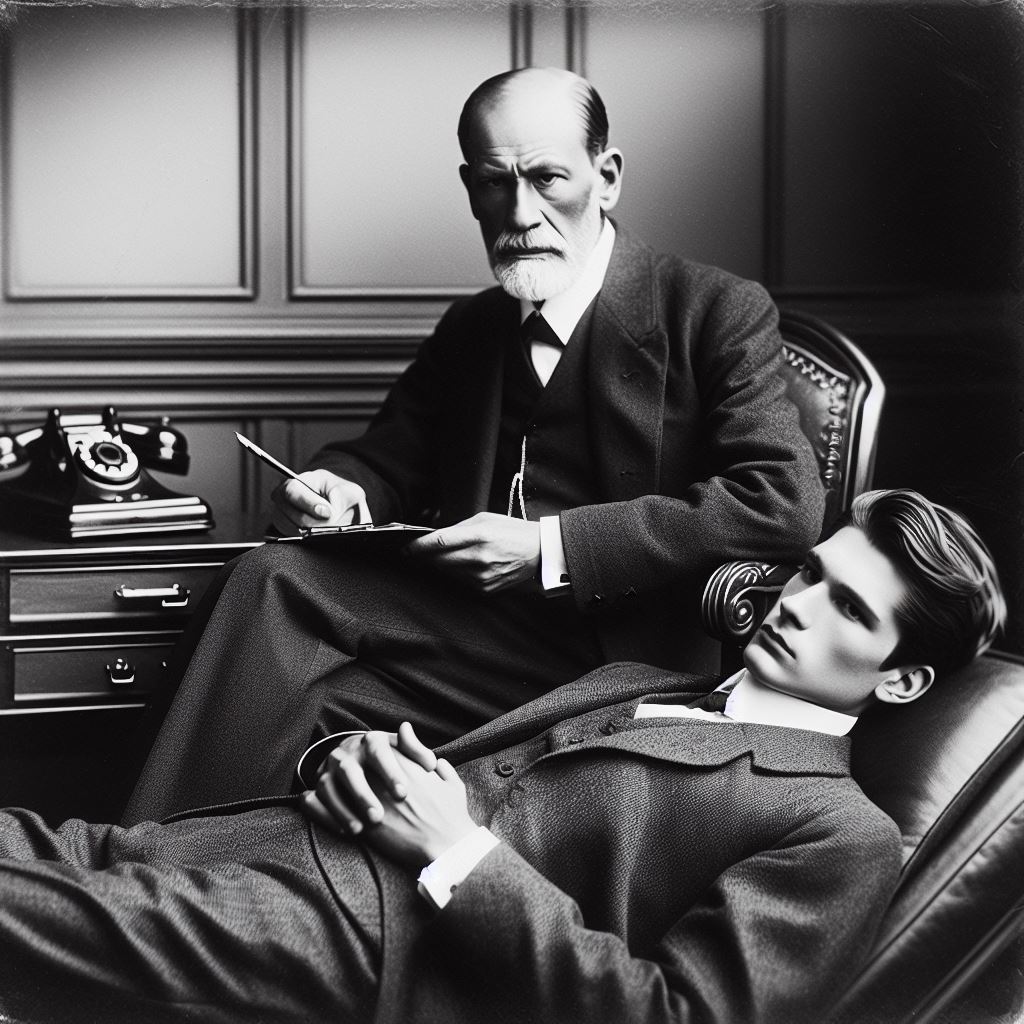
Sigmund Freud, the father of psychoanalysis, introduced groundbreaking ideas about human behaviour and the unconscious mind. While some of his theories may have been controversial or challenged over the years, there is no denying the profound influence Freudian concepts have had on the field of psychology. But how relevant are these ideas in our everyday lives, particularly in the realm of interpersonal relationships and decision-making?
Freud proposed that our personalities, thoughts, and behaviours are shaped by unconscious processes and childhood experiences. He believed that our unconscious mind stored repressed desires, fears, and memories that influence our conscious decision-making. To gain a better understanding of how Freudian concepts impact our relationships and choices, let’s explore a few key ideas:
1. The Oedipus Complex: Freud suggested that during childhood, children experience unconscious sexual desires for their opposite-sex parent and harbour feelings of rivalry or resentment towards their same-sex parent. While this theory is highly debated, its core idea highlights that our early relationships with our parents or caretakers influence our future relationships. Understanding how our childhood experiences shape our behaviour and expectations can help us navigate our adult relationships more effectively. However, because the sexual component of theory has been heavily criticised, it is no longer as influential.
2. Defence Mechanisms: According to Freud, defence mechanisms are unconscious strategies we use to protect ourselves from anxiety or unpleasant emotions. Common defence mechanisms include repression, denial, projection, and displacement. These mechanisms might manifest in our daily interactions, affecting our choices and relationships. For example, someone may repress memories of a failed relationship to avoid pain, which may subsequently influence their future relationship choices.
3. The Role of the Unconscious Mind: Freud believed that much of our mental activity occurs at an unconscious level. Our unconscious thoughts, desires, and fears can influence the decisions we make, often without our conscious awareness. Applying this concept to everyday life, it becomes apparent that many of our choices and behaviours are guided by factors we may not fully understand or recognise.
So, how do these Freudian concepts impact our relationships and choices in practical terms?
Relationships: Understanding the influence of our early experiences and unconscious desires can help us become more self-aware and empathetic individuals. It allows us to reflect on our behaviours, identify patterns, and work towards healthier relationship dynamics. For example, recognising any unresolved childhood issues or defence mechanisms that are negatively affecting our relationships will enable us to address and overcome them consciously.
Choices: When making decisions, it is essential to consider the unconscious factors that might be driving our choices. Reflecting on our emotions, fears, and desires can help us gain a clearer understanding of why we are drawn towards particular options. By examining our unconscious motivations, we can make more informed decisions that align with our true values and aspirations.
Conclusion
While Freudian concepts may not provide all the answers, they offer valuable insights into the complexities of human behaviour. Acknowledging their relevance in our everyday lives helps us navigate relationships and make choices with a greater level of self-awareness. By exploring the unconscious influences on our decision-making and relationships, we empower ourselves to lead more fulfilling and meaningful lives.
Share this:

You Might Also Enjoy Reading