In the realm of philosophy, there are various schools of thought that attempt to explore and understand the intricate workings of the world. One such school of thought, dialectical materialism, stands out for its unique approach to comprehending historical change, known as dialectics.
Dialectical materialism is a philosophical concept coined by Karl Marx and Friedrich Engels, the fathers of communism and the socialist movement. According to this framework, dialectics involves a constant interplay of opposing forces that shape the progression of history. At its core, dialectical materialism examines the relationship between matter, the physical substance and reality we inhabit, and social development.
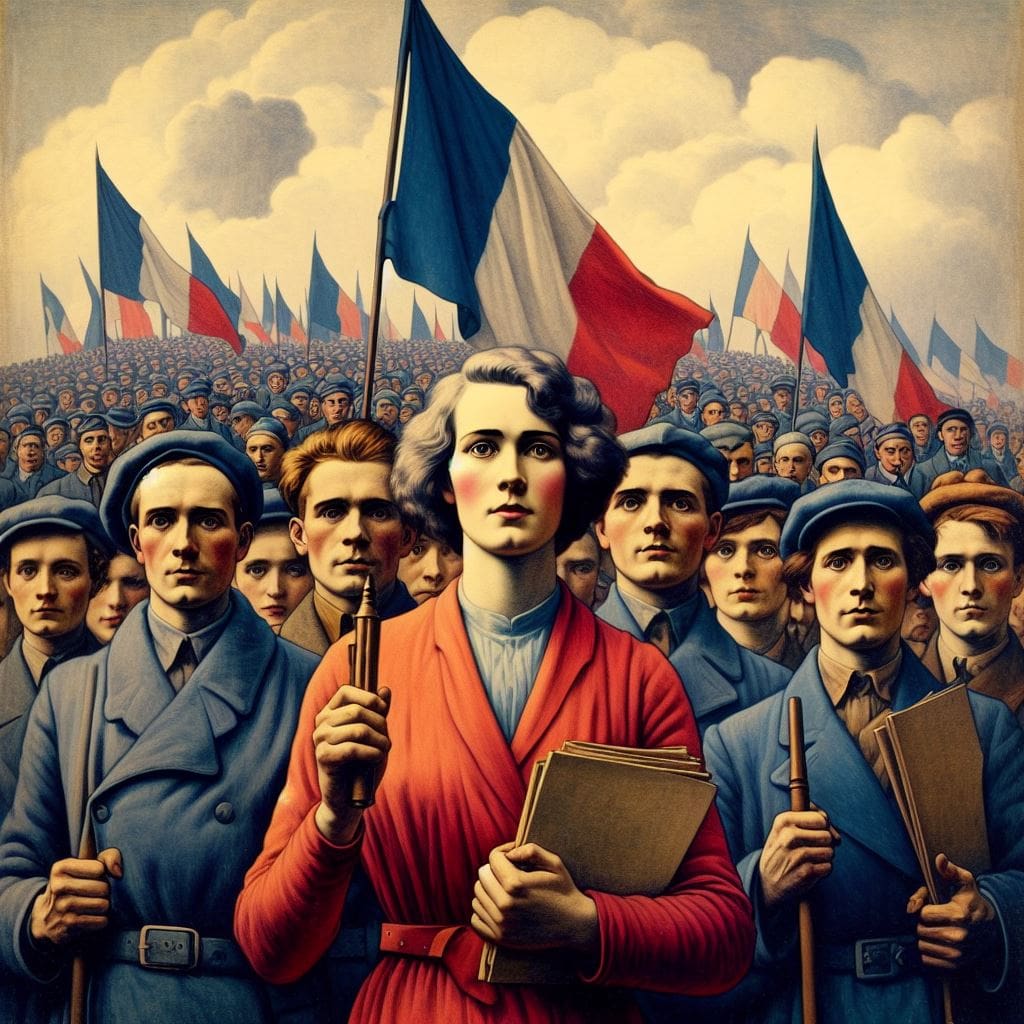
The foundational principle of dialectical materialism rests on the premise that society evolves through natural conflicts rooted in the contradictions within the means of production. At any given period, these contradictions manifest as the clash between dominant classes who possess power and the oppressed working class. These class struggles produce the necessary tensions that fuel social change.
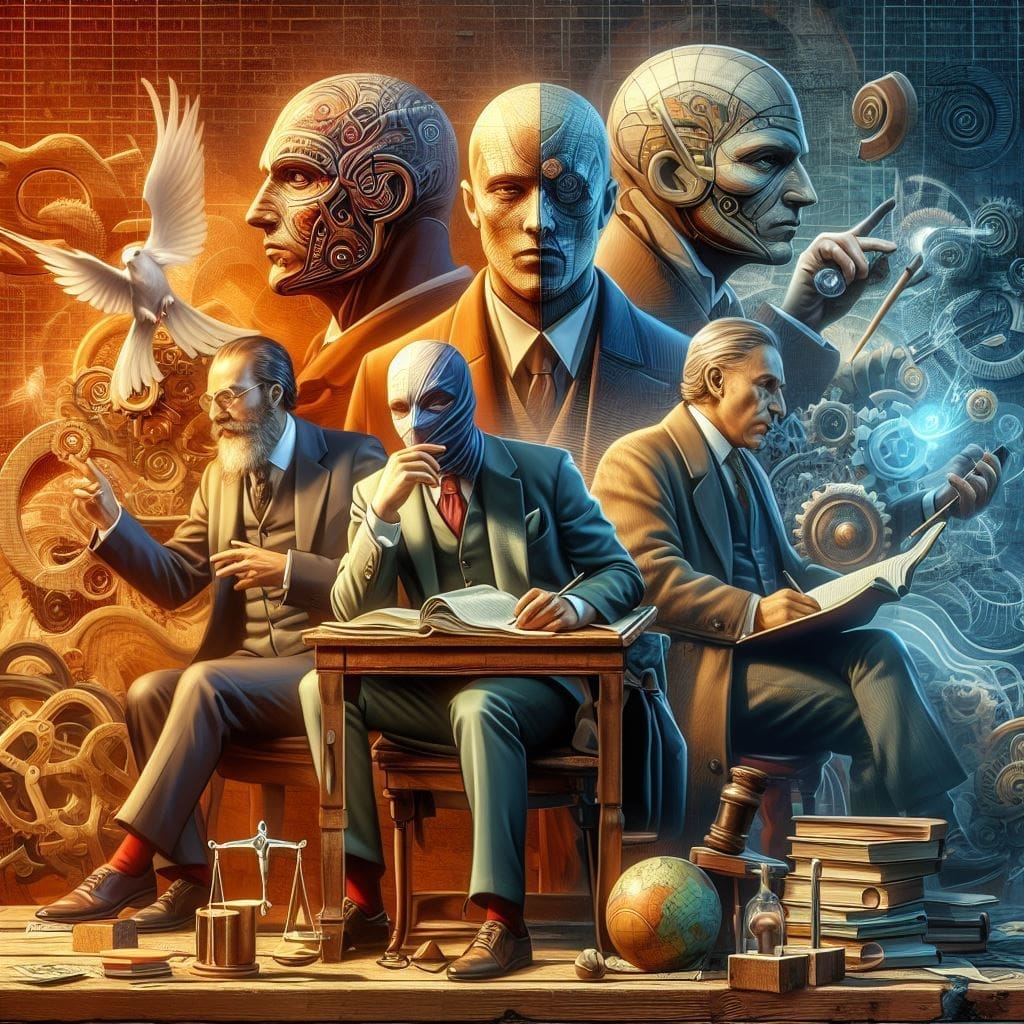
To better understand this concept, we must delve into the dialectical triad. Dialectics operates through three interconnected stages: thesis, antithesis, and synthesis. In this context, the thesis represents the existing social order, while the antithesis embodies its opposing force.
As the interplay between thesis and antithesis intensifies, contradictions are exposed within the current societal structure. This leads to a state of instability and conflict, representing a natural impetus for transformation. It is in this clash between thesis and antithesis that opportunities for change are born.
Out of the struggle comes the synthesis, a higher and more evolved stage that resolves the contradictions of the preceding stages. This synthesis forms the new thesis, primed for its own clash with emerging anti-theses. The process then repeats itself, perpetuating a cycle of constant evolution.
Dialectical materialism maintains that this historical change is not arbitrary but rather a product of the underlying material conditions of society. The development of technology, the organisation of labour, and economic systems all play pivotal roles in shaping historical progress. By focusing on these material elements, dialectical materialism provides a comprehensive understanding of history and revolution.
Moreover, dialectical materialism highlights the importance of understanding the specific social and economic context in analysing historical events. It goes beyond mere observations of events and delves into the underlying material forces at play. By broadening our perspective, this framework empowers individuals to recognise patterns, contradictions, and potential paths for societal transformation.
Critics of dialectical materialism argue that it oversimplifies historical developments by reducing them to class struggles and material conditions. They accuse it of neglecting the agency of individuals and downplaying the role of ideas and culture in shaping society. Nonetheless, dialectical materialism remains a thought-provoking and influential approach to understanding history and societal change.
In conclusion, dialectical materialism presents a fascinating lens through which to view historical progress and transformation. By examining the interplay of opposing forces and the contradictions inherent in the means of production, this philosophical framework seeks to uncover the mechanisms driving social change. While it may not have all the answers, dialectical materialism opens up a world of exploration, encouraging us to critically analyse the forces shaping our past, present, and future.
Share this:

You Might Also Enjoy Reading