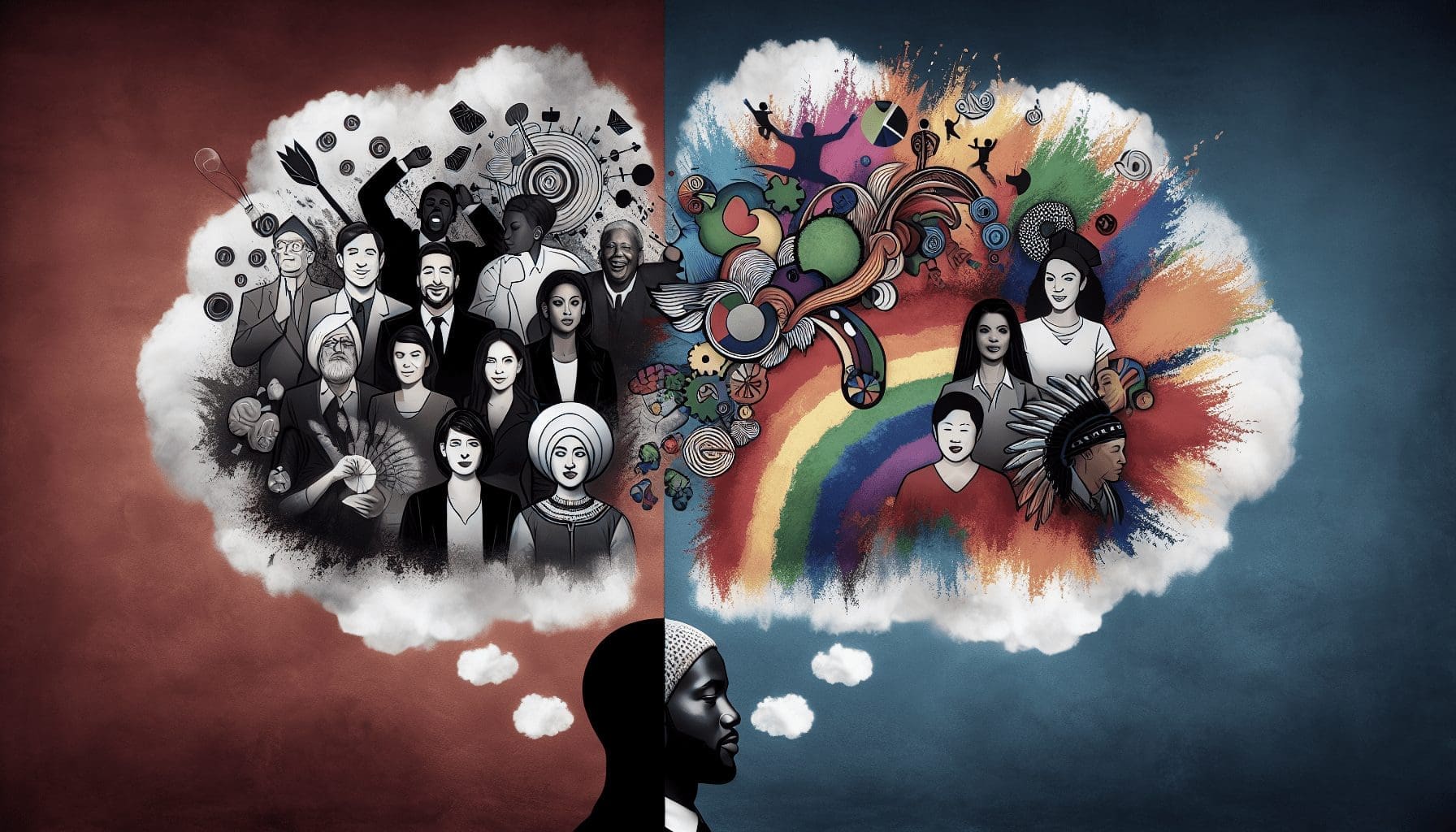


As human beings, we are inherently social creatures, shaped by the intricate web of interactions and influences we encounter throughout our lives. In this interconnected world, social conditioning plays a crucial role in shaping our beliefs, attitudes, and behaviours. At the heart of this dynamic lies culture, which provides the framework within which social conditioning is established and perpetuated. In this blog post, we delve into the profound relationship between social conditioning and culture, examining how they impact our lives and alter our perspectives.
Understanding Social Conditioning
Social conditioning refers to the process through which societal norms, values, and expectations shape an individual’s beliefs and behaviours. From birth, we are bombarded by a plethora of external influences that influence the way we perceive the world and interact with those around us. These influences include family, friends, education, media, and religious institutions, among others. Over time, these external forces mold our identities, often leading to the perpetuation of existing social structures, norms, and ideologies.
Culture: The Tapestry of Social Conditioning
Culture, broadly defined, represents the shared knowledge, beliefs, customs, and practices of a specific group of people. This can refer to a national, ethnic, or even organisational culture. It lays the foundation upon which social conditioning is built, providing a collective sense of identity, purpose, and belonging. Culture acts as a lens through which individuals interpret the world, impacting everything from language and communication styles to values and social structures.
The Role of Cultural Hegemony
When it comes to social conditioning, cultural hegemony plays a significant role. Cultural hegemony refers to the dominance of a particular cultural group or ideology over others, maintaining its influence through politics, media, education, and other means. This dominant culture often shapes societal norms and provides a standard against which all other cultures are measured. Consequently, certain behaviours and beliefs are reinforced as “normal,” while others may be stigmatised or marginalised.
Challenging Social Conditioning: Breaking Free
While social conditioning can provide stability and cohesion within a society, the unquestioned acceptance of cultural norms can limit individual expression and hinder progress. Challenging social conditioning necessitates critical reflection, questioning established beliefs, and exposing ourselves to alternative viewpoints. By embracing cultural diversity and engaging in open dialogue, we broaden our perspectives and cultivate empathy for others, leading to a more inclusive and accepting society.
Promoting Cultural Awareness & Sensitivity
By understanding the profound connection between social conditioning and culture, we can foster cultural awareness and sensitivity. Education plays a key role in dismantling biases, as it exposes individuals to a broader range of perspectives, histories, and worldviews. Encouraging empathy, promoting curiosity, and embracing diversity are crucial steps towards challenging harmful social conditioning and creating a more inclusive and equitable future.
Conclusion
Social conditioning and culture are intrinsically interconnected, shaping the way we see ourselves and the world around us. Recognising the influence of societal norms and understanding the power dynamics within cultural hegemony allows us to critically evaluate our beliefs, behaviours, and biases. By challenging social conditioning and fostering cultural awareness, we can strive for a society that embraces diversity, empathy, and inclusivity—an environment where individuals are liberated from the constraints of social rigidity and given space for personal growth and self-expression.
Share this:

You Might Also Enjoy Reading