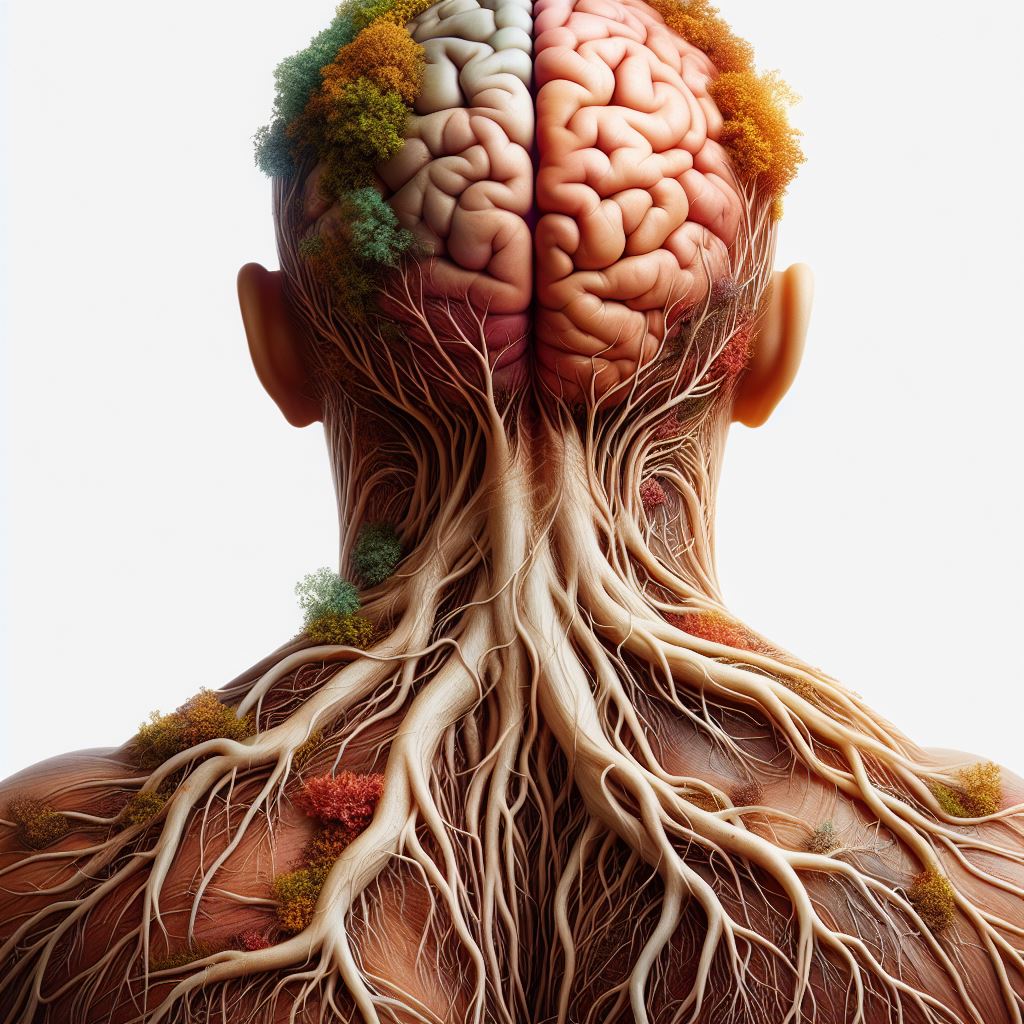

Human behaviour is complex, and understanding the roots of our psychological patterns can shed light on why we behave the way we do. Psychoanalysis, a school of thought founded by Sigmund Freud, has provided invaluable insights into the unconscious mind, desires, and motivations that shape our behaviour. By delving into the depths of the human psyche, psychoanalytic theory unravels the underlying reasons for psychological patterns and helps individuals gain self-awareness and take control of their lives.
1. Unconscious Mind and the Three Structures
At the heart of psychoanalytic theory lies the concept of the unconscious mind, which harbours thoughts, memories, and desires that are inaccessible to our conscious awareness. According to Freud, the unconscious is divided into three structures: the id, ego, and superego. The id represents our primitive drives and desires seeking immediate gratification, while the superego embodies societal rules and moral standards. The ego mediates between the id and the superego, balancing our instinctual desires with the demands of society.
Understanding this framework allows individuals to identify the root causes of their behaviours and bridge the gap between their unconscious motivations and conscious decisions.
2. Defence Mechanisms and the Repression of Unconscious Desires
One of the core concepts in psychoanalysis is defence mechanisms. When our unconscious desires conflict with societal norms or our sense of morality, we employ defence mechanisms to protect both our conscious mind and our self-esteem. These mechanisms include repression, denial, projection, and rationalisation, among others.
For instance, a person might repress traumatic childhood memories that hold uncomfortable emotions or create a false sense of reality to avoid facing painful truths. Recognising and understanding these defence mechanisms can enable individuals to confront and process their suppressed emotions, leading to personal growth and healing.
3. Childhood Experiences and the Formation of Psychological Patterns
Psychoanalysis places significant importance on childhood experiences, as it believes that early experiences shape our adult psychological patterns. Traumas, conflicts, or unresolved issues from childhood often resurface in our adult lives, manifesting as repetitive patterns of behaviour, relationships, or thought processes.
Identifying these patterns and linking them to childhood experiences can be liberating, as it allows individuals to gain insight into the roots of their behaviours and make conscious choices to break free from negative cycles.
4. The Therapeutic Process and Unravelling Psychological Patterns
Psychoanalysis emphasises the importance of therapeutic intervention in uncovering and understanding psychological patterns. Through techniques such as free association, dream analysis, and exploring the transference relationship between patient and therapist, individuals can gain insight into their unconscious mind.
Therapy provides a safe and non-judgemental space to explore and process past experiences, enabling patients to achieve self-awareness, heal emotional wounds, and ultimately transform their lives.
Conclusion
Psychological patterns govern much of our behaviour, often limiting our personal growth and happiness. Psychoanalysis, with its focus on the unconscious mind, defence mechanisms, childhood experiences, and therapeutic interventions, offers profound insights into the roots of these patterns. By understanding the underlying motivations, desires, and conflicts, individuals can gain self-awareness and empower themselves to break free from negative cycles, fostering personal growth, and creating healthier relationships. The journey to understanding and unravelling psychological patterns can be transformative, leading to a more fulfilling and authentic life.
Share this:

You Might Also Enjoy Reading