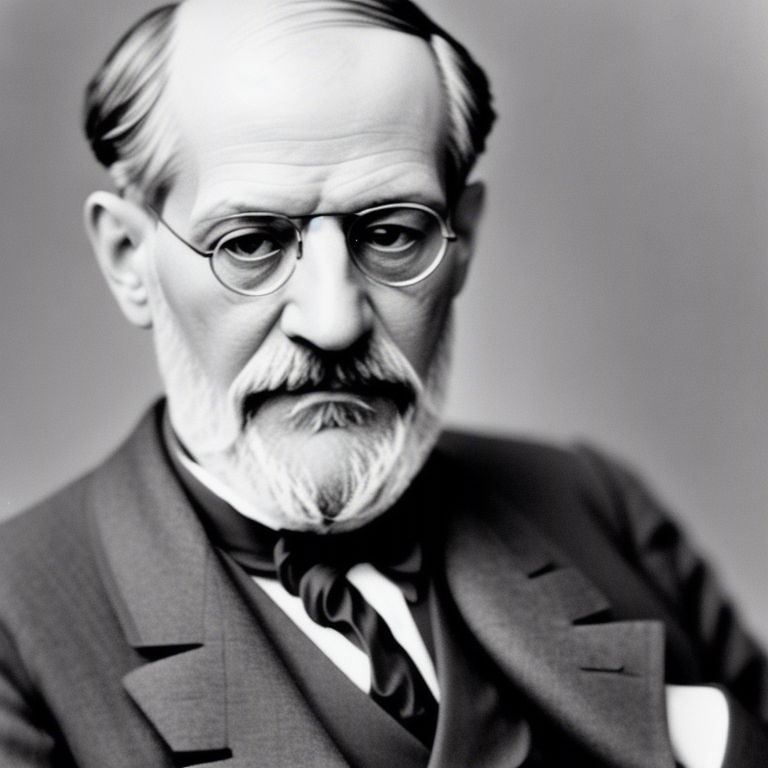

The field of psychoanalysis has come a long way since the groundbreaking work of Sigmund Freud, the father of psychoanalysis. While Freud’s theory remains influential, contemporary approaches have expanded upon his ideas, incorporating new perspectives and incorporating advances in various fields. In this blog post, we will delve into the realm of contemporary psychoanalysis, exploring some of the approaches that go beyond Freud’s original concepts.
1. Interpersonal psychoanalysis
Interpersonal psychoanalysis focuses on the relational aspects of human behaviour. Unlike traditional Freudian psychoanalysis, which tends to emphasise the role of internal conflicts and drives, interpersonal psychoanalysis emphasises the impact of interpersonal relationships and social experiences on an individual’s psychological well-being. It suggests that understanding the dynamics of external relationships is paramount to understanding one’s internal conflicts.
2. Object relations theory
Object relations theory, another contemporary approach, goes beyond Freud’s emphasis on the drives and instincts within the individual. This theory suggests that human understanding and development are shaped by our relations with others, primarily in the early years of life. According to object relations theorists, healthy development requires a positive and nurturing environment that allows for the formation of healthy attachments and relationships.
3. Cognitive-behavioural psychoanalysis
Cognitive-behavioural psychoanalysis integrates principles from both cognitive-behavioural therapy (CBT) and psychoanalysis. This approach recognises that thoughts, emotions, and behaviours are interconnected and play a significant role in an individual’s mental health. By combining insights from psychoanalysis with the practical techniques of CBT, this approach aims to help individuals identify and change maladaptive patterns of thinking and behaviour.
4. Relational psychoanalysis
Relational psychoanalysis emphasises the therapeutic relationship itself as a catalyst for change. It recognises the importance of the collaborative alliance between therapist and client and views the therapeutic encounter as a mutual exploration of the patient’s past and present relationships. This approach highlights the impact of the real, lived experiences between therapists and their clients on the therapeutic process.
5. Neuropsychoanalysis
Neuropsychoanalysis, an interdisciplinary field, aims to merge psychoanalysis with neuroscience. By bridging the gap between the subjective experiences explored in psychoanalysis and the biological mechanisms studied in neuroscience, this approach allows for a deeper understanding of the relationship between the mind and the brain. It seeks to unravel the biological underpinnings of psychological processes and explore how neural networks contribute to mental health and well-being.
Conclusion
While Freud’s theories laid the foundation for the field of psychoanalysis, contemporary approaches have expanded upon and added new dimensions to his initial ideas. Interpersonal psychoanalysis, object relations theory, cognitive-behavioural psychoanalysis, relational psychoanalysis, and neuropsychoanalysis are just a few examples of the diverse perspectives that have emerged in recent years. By exploring these contemporary approaches, we can gain a more nuanced understanding of the complexity of human psychology and enhance our ability to help individuals navigate their inner worlds.
Share this:

You Might Also Enjoy Reading