Tag: Psychopathy

  • The Characterology of Psychopathy

    The Characterology of Psychopathy

    Advertisements

    Psychopathy is a personality disorder characterised by a lack of empathy, guilt, and remorse, as well as a tendency towards manipulative behaviour and a disregard for societal norms. Individuals with psychopathic traits often exhibit a charming and charismatic exterior, but underneath lies a cold and calculating mindset.

    One of the key traits of psychopathy is a lack of empathy. Psychopaths are unable to understand or relate to the emotions of others, which allows them to engage in manipulative and deceitful behaviour without feeling guilty or remorseful. This lack of empathy also makes it difficult for psychopaths to form genuine emotional connections with others, leading to shallow and superficial relationships.

    Another defining trait of psychopathy is a grandiose sense of self-importance. Psychopaths often have an inflated sense of their own abilities and achievements, and may engage in risky and reckless behaviour in pursuit of their own desires. This sense of entitlement and superiority can lead psychopaths to exploit and manipulate others for their own gain.

    Psychopaths also exhibit a high level of impulsivity and a lack of long-term planning. They may engage in risky behaviours without considering the potential consequences, leading to volatile and unpredictable relationships and situations. This impulsivity, combined with a lack of empathy and a propensity for manipulation, can make psychopaths dangerous and destructive individuals.

    In conclusion, psychopathy is a complex and multifaceted personality disorder characterised by a lack of empathy, manipulative behaviour, and a grandiose sense of self-importance. Individuals with psychopathic traits may appear charming and charismatic on the surface, but underneath lies a cold and calculating mindset that allows them to exploit and manipulate others without feeling guilty or remorseful. By studying the characterology of psychopathy, we can gain a better understanding of the nature of this intriguing psychological phenomenon.
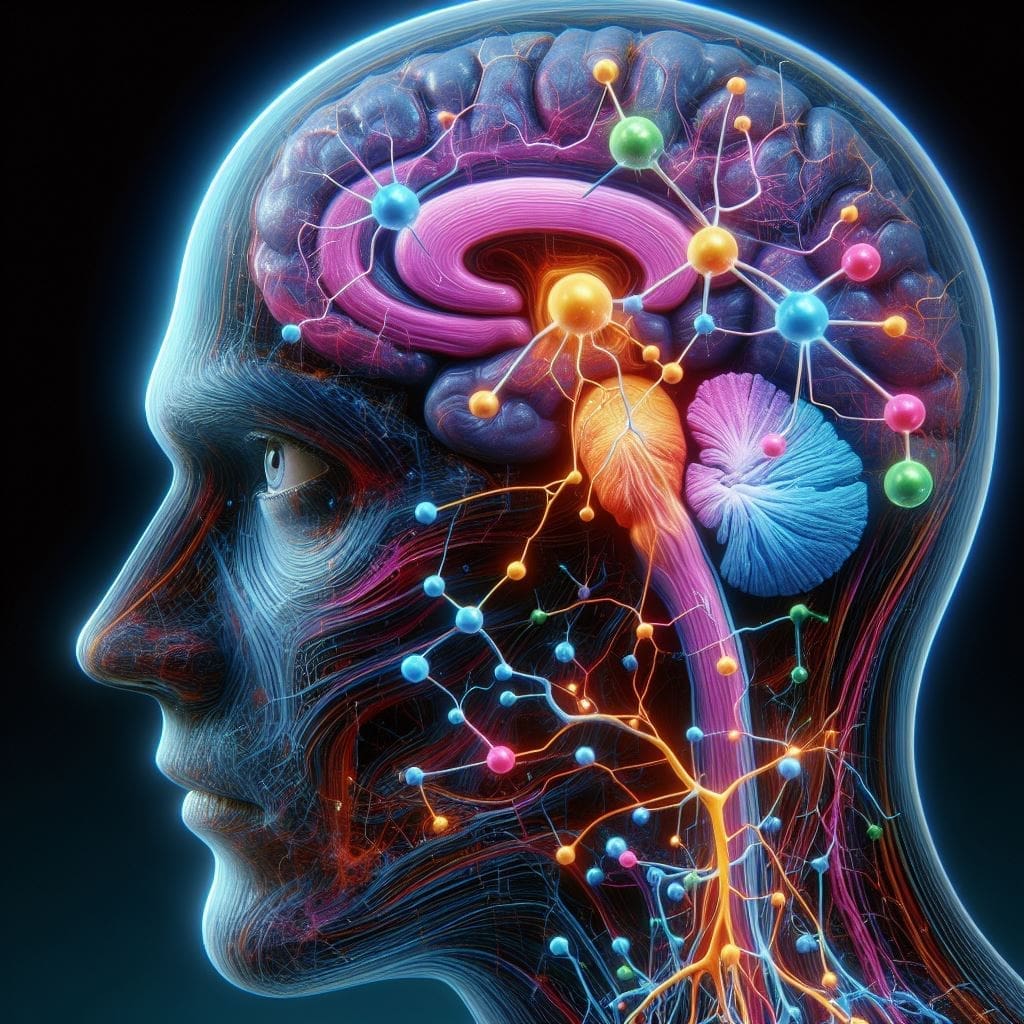

  • Neurotransmitters in Psychopathy: Decoding the Brain Chemistry of a Deviant Mind

    Neurotransmitters in Psychopathy: Decoding the Brain Chemistry of a Deviant Mind

    Advertisements

    1. Dopamine: The Seekers of Thrills

    Dopamine, often referred to as the “feel-good” neurotransmitter, plays a crucial role in reward-seeking behaviours, motivation, and pleasure. Studies have found that individuals with psychopathic traits possess different levels of dopamine activity in specific brain regions. This altered dopamine function may explain their relentless pursuit of exhilarating experiences, risk-taking behaviour, and often impulsive decision-making. However, it is important to note that while imbalances in dopamine may increase susceptibility to psychopathic traits, it is not a direct cause of psychopathy itself.

    2. Serotonin: Moral Impairment in the Brain

    Serotonin, known as the “happiness hormone,” is also involved in regulating mood, impulsiveness, and cognition. Research suggests that individuals with psychopathy exhibit reduced serotonin activity in certain brain regions. This altered serotonin function may contribute to the reduced emotional responsiveness and moral impairment observed in those with psychopathic tendencies. Furthermore, low serotonin levels have been linked to an increased inclination towards aggression and the inability to learn from consequence, adding another dimension to the psychopathic mind.

    3. Norepinephrine: Insensitivity to Fear and Stress

    Norepinephrine, a neurotransmitter crucial in regulating attention, arousal, and stress response, has been implicated in psychopathy. Studies have shown a heightened norepinephrine response in psychopaths when exposed to distressing or fear-inducing stimuli. This overactive response may contribute to their reduced sensitivity to fear, allowing them to engage in risky or antisocial behaviours without experiencing normal emotional responses. The interplay between norepinephrine imbalances and altered fear processing sheds light on the emotional deficits observed in individuals with psychopathy.

    4. Oxytocin: The Missing Link in Empathy

    Oxytocin, often referred to as the “love hormone,” is involved in social bonding, trust, and empathy. Psychopathy is characterised by a significant deficit in empathy and understanding the emotions of others. Recent studies propose that oxytocin dysfunction may be a crucial factor underlying this emotional impairment. Individuals with psychopathic traits have shown reduced oxytocin levels, leading to a diminished capacity for empathy and social affiliation.

    Conclusion

    While the neurochemical basis of psychopathy is complex and multifaceted, understanding the role of neurotransmitters provides valuable insight into the brain chemistry of those with psychopathic traits. Imbalances in dopamine, serotonin, norepinephrine, and oxytocin contribute to the emotional deficits, thrill-seeking behaviour, moral impairment, and reduced fear response observed in psychopaths. Though further research is needed to fully comprehend the intricate connections between neurotransmitters and psychopathy, these findings may open doors to more effective interventions and treatments for this enigmatic personality disorder. By unravelling the secrets hidden within the neurotransmitter network of the brain, we inch closer to comprehending the complexities of the psychopathic mind.

    Advertisements
  • The Cost of Psychopathy in the United Kingdom

    The Cost of Psychopathy in the United Kingdom

    Advertisements

    One of the most striking aspects of psychopathy is its association with criminal behaviour. Studies have consistently shown a strong correlation between psychopathy and violent crimes, such as assault, murder, and sexual offences. These criminal activities not only jeopardise public safety but also result in substantial costs to the criminal justice system. According to a report by the Office for National Statistics, the cost of crime in England and Wales amounted to £11.3 billion in 2018 alone. While psychopathy is not solely responsible for this figure, its relationship with violent crime highlights its financial impact.

    In addition to criminal behaviour, psychopathy can also lead to significant costs in the healthcare system. Many psychopaths possess a superficial charm and manipulative nature, allowing them to exploit others for personal gain. This can result in fraud, scams, and financial exploitation, causing victims to suffer both emotionally and monetarily. Moreover, the mental health issues commonly associated with psychopathy, such as antisocial personality disorder, also require long-term care and treatment, further adding to healthcare expenses.

    Furthermore, the presence of psychopathy within interpersonal relationships can have a devastating impact on families and communities. Psychopathic individuals often struggle to form lasting bonds with others, leading to broken families, strained relationships, and social isolation. Such effects can lead to a decline in well-being and increased reliance on social welfare programs, adding to the economic burden on society.

    Preventing and addressing the costs of psychopathy requires a multifaceted approach. First and foremost, early identification and intervention are crucial. Identifying psychopathic tendencies in children and providing appropriate treatment and support can reduce the likelihood of criminal behaviour later in life. Additionally, effective rehabilitation programs within the criminal justice system can help reduce recidivism rates among psychopathic individuals.

    Furthermore, raising public awareness about psychopathy and its associated costs is important. Greater understanding of the disorder can assist in recognising and reporting instances of fraud, providing support to victims, and preventing future incidents. By fostering a more informed and vigilant society, the economic burden of psychopathy can be mitigated.

    In conclusion, the cost of psychopathy in the United Kingdom extends beyond the direct expenses incurred by criminal behaviour and healthcare systems. Its wide-ranging impact on families, individuals, and communities necessitates a proactive response from society as a whole. By prioritising early intervention, rehabilitation, and public awareness, we can work towards alleviating the financial consequences of psychopathy while simultaneously creating a safer and more inclusive society for all.

    Advertisements
  • Adaptive Psychopathy: A Complex and Controversial Spectrum Within Psychology

    Adaptive Psychopathy: A Complex and Controversial Spectrum Within Psychology

    Advertisements

    Adaptive Psychopathy: A Spectrum

    Psychopathy, as traditionally understood, is considered a maladaptive trait, often associated with criminal behaviour and a lack of remorse or moral conscience. However, adaptive psychopathy explores the idea that some individuals may display psychopathic tendencies that are not necessarily harmful, but rather serve certain beneficial purposes in certain contexts.

    This concept has its roots in the triarchic model of psychopathy, proposed by Dr. Christopher Patrick and his colleagues. According to this model, psychopathy can be divided into three dimensions: boldness, meanness, and disinhibition. It suggests that while certain aspects of psychopathy may be maladaptive (meanness and disinhibition), others (boldness) may actually be adaptive in certain environments.

    The Boldness Factor

    The boldness dimension of psychopathy refers to characteristics such as fearlessness, social assertiveness, and a tendency to remain calm under pressure. Individuals high in boldness may be more willing to take risks, engage in competitive environments, or pursue high-stress careers such as firefighting or emergency medicine.

    Research suggests that the presence of boldness, without the meanness or disinhibition factors, may actually be advantageous in occupations that demand quick decision-making, stress tolerance, and assertiveness. These individuals may be better equipped to navigate high-pressure situations and make tough choices, without being hindered by emotional responses or fear.

    Controversies and Ethical Implications

    As with any emerging concept in psychology, adaptive psychopathy has sparked considerable controversy and ethical discussions within the field. Critics argue that labelling certain psychopathic traits as adaptive could perpetuate dangerous stereotypes and contribute to a lack of accountability for harmful behaviours.

    It is crucial to note that adaptive psychopathy does not undermine the fact that psychopathy is associated with significant negative outcomes, as seen in criminal psychopathy. However, this concept helps us recognise that there may be a range of psychopathic traits and degrees rather than a binary distinction of “psychopaths” and “non-psychopaths.”

    Final Thoughts

    Adaptive psychopathy represents a new realm of exploration within psychology that challenges our conventional understanding of psychopathy as purely maladaptive. While some psychopathic traits may indeed be harmful and destructive, it is important to acknowledge that certain individuals with boldness characteristics can thrive within specific contexts.

    As research progresses, dissecting the various dimensions of psychopathy, ethical debates will continue regarding the boundaries of adaptiveness and the potential for societal harm. Understanding adaptive psychopathy is not about endorsing or excusing negative behaviour; rather, it is an attempt to deepen our knowledge and enhance our understanding of the complexity of human psychology.

    By exploring such concepts, we drive the development of more effective interventions and support systems, ultimately contributing to a safer and more compassionate society for all.

    Advertisements
  • The Anthropology of Psychopathy: Understanding the Complexities of a Deviant Personality

    The Anthropology of Psychopathy: Understanding the Complexities of a Deviant Personality

    Advertisements

    Understanding Psychopathy

    Psychopathy is characterised by a combination of personality traits, including a lack of empathy, superficial charm, manipulative behaviour, and a tendency towards violence. Anthropologists emphasise that psychopathy should not be solely seen as an individual’s aberrant psychological state but rather as a product of a dynamic interaction between biological predispositions and sociocultural factors.

    Cultural Variations

    The prevalence of psychopathy varies across cultures, suggesting that cultural elements play a significant role in shaping the manifestation of this disorder. Some cultures emphasise communal values, empathy, and cooperation, which may serve as a protective factor against psychopathic tendencies. Conversely, cultures that value individualism and competition may inadvertently foster an environment conducive to the development and reinforcement of psychopathic traits.

    Societal Influences

    Anthropology highlights how societal structures and norms impact the behaviour and actions of individuals with psychopathy. In societies where power, status, and prestige are highly valued, individuals with psychopathic tendencies may be more likely to thrive. Moreover, structural inequalities, corruption, and lack of social cohesion can exacerbate the negative impact of psychopathy on society at large. Understanding these sociocultural influences is essential for developing strategies to prevent and manage psychopathic behaviour.

    Nature vs. Nurture

    The study of psychopathy from an anthropological perspective underscores the importance of both genetic and environmental factors in its development. Research has shown that certain genetic predispositions might contribute to the risk of psychopathy. Nonetheless, it is crucial to recognise that environmental factors such as childhood trauma, abuse, neglect, and socialisation also significantly impact the manifestation of psychopathic traits. Anthropology bridges the gap by elucidating how these interplaying factors shape psychopathy.

    Implications and Challenges

    One of the key challenges in studying psychopathy from an anthropological standpoint lies in the ethical considerations and potential harm that may arise from conducting research on individuals with this disorder. Nevertheless, understanding these individuals‘ experiences, motivations, and interactions within their cultural framework is vital for finding ways to prevent psychopathy and enable effective intervention strategies.

    Conclusion

    The anthropology of psychopathy offers a holistic perspective that goes beyond the stereotypical portrayal of psychopaths in popular media. By examining the intricate connections between biology, culture, and society, anthropologists shed light on the underlying causes and complexities of this disorder. Through their research, they contribute to a more comprehensive understanding, prevention, and management of psychopathy. Ultimately, recognising that psychopathy is not solely an individual’s flaw but is bound inextricably to the context in which it arises can help society address this pressing issue more effectively.

    Advertisements
  • The Altruistic Psychopath: Challenging Stereotypes and Unravelling the Paradox

    The Altruistic Psychopath: Challenging Stereotypes and Unravelling the Paradox

    Advertisements

    Understanding Altruism

    To fully comprehend the concept of an altruistic psychopath, it is crucial to understand two central elements: psychopathy and altruism.

    Psychopathy is a personality disorder characterised by a range of traits, including lack of empathy, emotional detachment, impulsivity, and manipulative tendencies. Traditionally, these traits have been associated with behaviours that are self-serving, callous, and destructive.

    On the other hand, altruism refers to the act of selflessly helping others, often driven by genuine care and concern. It involves disregarding personal gain and instead focusing on the well-being and happiness of others.

    The Paradox of Altruistic Psychopaths

    Psychopaths, by definition, lack empathy and emotional attachment, which seems incompatible with the notion of altruism. However, recent research suggests that some psychopaths do exhibit altruistic tendencies, challenging our understanding of their behaviour.

    An intriguing study led by Dr. Abigail Marsh at Georgetown University examined brain scans and conducted experiments on individuals who scored high on psychopathic traits. Surprisingly, the researchers found that a significant portion of these participants demonstrated selfless and altruistic behaviours, such as donating money to charity or saving others’ lives.

    Explaining the Paradox

    To unravel this puzzling paradox, researchers propose various explanations that shed light on the behaviour of altruistic psychopaths:

    1. Cognitive Empathy: While psychopaths generally struggle with emotional empathy, they may possess a form of cognitive empathy that helps them understand and predict the needs and desires of others. This cognitive empathy drives them to engage in altruistic actions, not out of emotional concern but rather as a calculated response.

    2. Reputation Management: Altruistic actions undertaken by psychopaths may be motivated by a desire for social recognition, power, or influence. They recognise that helping others can enhance their own reputation or manipulate others more effectively.

    3. A Unique Neural Circuitry: Neurological studies suggest that altruistic psychopaths may possess a distinct neural circuitry that allows them to engage in acts of kindness despite their emotional detachment. This circuitry may compensate for their lack of emotional empathy, stimulating the reward systems in their brains when engaging in altruistic behaviours.

    Conclusion

    The existence of altruistic psychopaths challenges the stereotypes associated with psychopathy. While they may not exhibit emotional concern or empathy rooted in emotions, these individuals manage to perform selfless acts, driven by intellectual understanding, reputation management, or unique neural circuitry. Understanding this paradox offers fascinating insights into the intricate workings of the human mind and challenges our conventional understanding of empathy and altruism.

    It is important to note that this blog post aims to highlight a specific subset of psychopaths and does not diminish the potential harm caused by individuals who display psychopathic traits without engaging in altruistic behaviour.

    Advertisements
  • Understanding the Functional Impairment of the Amygdala Gland: The Emotional Powerhouse

    Understanding the Functional Impairment of the Amygdala Gland: The Emotional Powerhouse

    Advertisements

    Understanding the role of the amygdala gland

    The amygdala gland, located within the temporal lobes of the brain, is responsible for processing and regulating emotions such as fear, pleasure, and anger. It functions as a sort of emotional alarm system, helping us perceive and respond to potential threats, as well as encoding and storing emotional memories. The amygdala is interconnected with various brain regions involved in emotion processing, forming a complex network essential for maintaining emotional well-being.

    Causes of functional impairment

    1. Damage or injury: Traumatic brain injuries, stroke, or tumors affecting the amygdala can lead to functional impairment. Physical harm in these cases may disrupt the connections between the amygdala and other brain regions, compromising its ability to process and regulate emotions.

    2. Neurological disorders: Certain neurological conditions like epilepsy or neurodegenerative diseases can also affect the functioning of the amygdala. In these cases, the impairment may be a result of underlying structural or chemical changes in the brain rather than direct physical damage.

    Effects on emotional well-being

    1. Increased anxiety: The amygdala helps us detect and respond to potential threats, but impairment can lead to exaggerated or inappropriate responses. This can result in heightened anxiety levels, leading to difficulties in daily life and increased stress.

    2. Altered emotional reactions: Impaired amygdala function may lead to an individual experiencing difficulty in understanding, expressing, and regulating their emotions. They may have trouble recognising facial expressions, interpreting emotional cues, or responding appropriately in social situations.

    3. Impaired fear processing: The amygdala plays a crucial role in fear processing, so impairment can impact an individual’s fear responses. They may struggle to recognise danger or demonstrate fear even in genuinely threatening situations, making it challenging to assess risks accurately.

    4. Memory and emotional trauma: With impaired amygdala function, the encoding and consolidation of emotional memories may be affected. This can lead to difficulties in remembering emotionally significant events, impacting an individual’s ability to learn from past experiences and process emotional trauma.

    Managing functional impairment

    While functional impairment of the amygdala can present significant challenges, there is hope. Treatments such as cognitive-behavioural therapy (CBT) and exposure therapy can help individuals with anxiety and fear-related problems. Medications, such as selective serotonin reuptake inhibitors (SSRIs), may also be prescribed to alleviate symptoms.

    Furthermore, techniques such as mindfulness and stress-reduction exercises can help individuals regulate their emotions and enhance overall well-being. Support from mental health professionals, friends, and family plays a vital role in the journey towards emotional recovery.

    Conclusion

    The amygdala gland is a fundamental component of our emotional experiences, processing and regulating various emotions. Impairment of its functionality can disrupt this delicate balance, leading to anxiety, altered emotional responses, and difficulty in processing emotional trauma. Understanding the causes, effects, and available management techniques for functional impairment is crucial for promoting emotional well-being and raising awareness about this intricate aspect of brain function.

    Advertisements