

Tag: Psychoanalysis

  • Thanatos vs. Eros: Balancing the Forces of Life and Death in Psychology

    Thanatos vs. Eros: Balancing the Forces of Life and Death in Psychology

    Advertisements

    Thanatos, the Greek god of death, represents the unconscious urge towards self-destruction and the desire to return to a state of non-existence. This drive manifests itself in destructive behaviours, such as addiction, self-harm, or risky activities that put one’s life at risk. Thanatos is often associated with feelings of hopelessness, despair, and nihilism, and can be a powerful force in driving individuals towards self-destructive choices.

    On the other hand, Eros, the Greek god of love, represents the life-affirming drive towards pleasure, creativity, and connection with others. Eros is the force that propels individuals towards meaningful relationships, personal growth, and the pursuit of happiness. Eros is associated with feelings of fulfilment, joy, and purpose, and can be a powerful force in helping individuals find meaning and fulfilment in their lives.

    Balancing these two opposing forces is essential for mental health and well-being. When Thanatos dominates, individuals may find themselves stuck in a cycle of self-destructive behaviour or unable to find meaning and purpose in their lives. On the other hand, when Eros dominates, individuals may be overly focused on pleasure-seeking or avoiding conflict, leading to an imbalance in their emotional well-being.

    Psychotherapy and other forms of psychological treatment can help individuals better understand and navigate the complex interplay between Thanatos and Eros. By exploring the underlying motivations behind destructive behaviours and uncovering sources of joy and fulfilment, individuals can learn to achieve a healthier balance between the forces of life and death.

    Ultimately, finding a balance between Thanatos and Eros is crucial for psychological well-being and personal fulfilment. By acknowledging and addressing the unconscious forces that drive our behaviour, we can work towards living a more fulfilling and meaningful life. Embracing both the life-affirming energy of Eros and the self-destructive impulses of Thanatos can lead to a more integrated and authentic experience of being human.
  • Neurobiological Basis of Narcissism: Insights and Implications

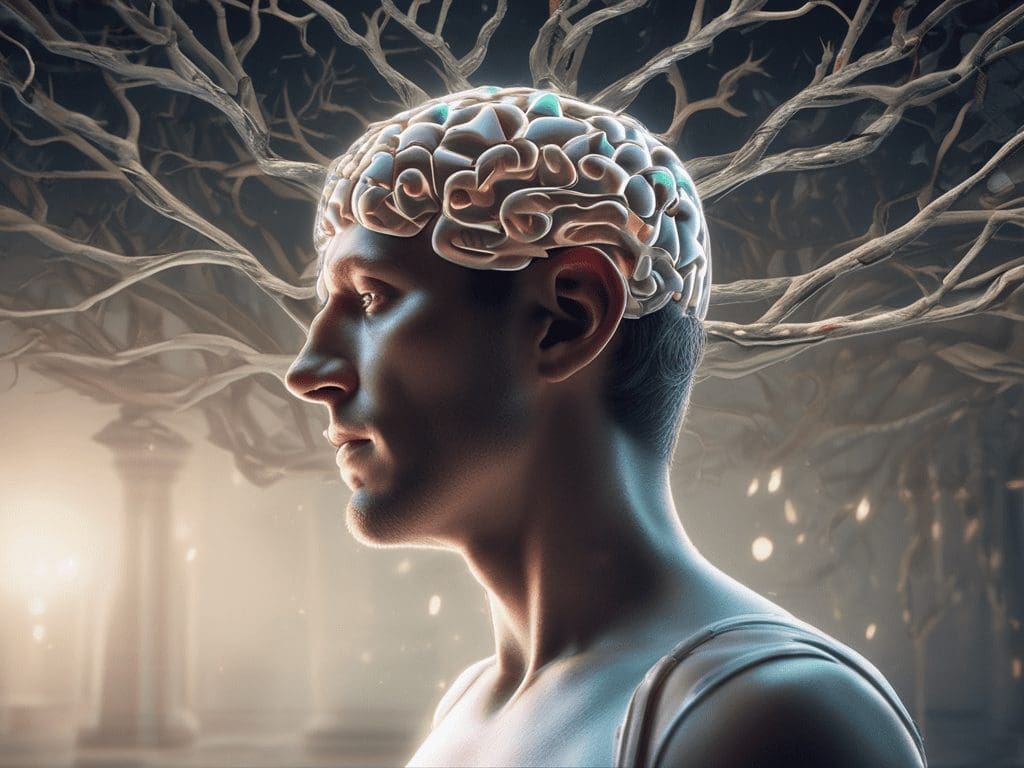
    Neurobiological Basis of Narcissism: Insights and Implications

    Advertisements

    Recent research has shed light on the neurobiological basis of narcissism, revealing that individuals with high levels of narcissism may have differences in brain structure and function compared to those with lower levels of narcissism. One study found that individuals with narcissistic traits have reduced grey matter volume in areas of the brain associated with empathy, such as the anterior insula and medial prefrontal cortex. This suggests that narcissistic individuals may have difficulty understanding and empathising with the emotions and perspectives of others.

    Furthermore, neuroimaging studies have shown that narcissistic individuals may have heightened activity in brain regions associated with reward and self-relevance, such as the ventral striatum and ventromedial prefrontal cortex, when they receive positive feedback or validation. This may explain why individuals with narcissistic traits are so motivated by praise and admiration, as these behaviours activate the brain’s reward system in a way that is not seen in individuals with lower levels of narcissism.

    Importantly, the neurobiological basis of narcissism highlights the fact that narcissism is not simply a character flaw or a choice, but rather a complex interplay of genetics, environment, and brain functioning. While it is easy to dismiss narcissistic individuals as selfish or vain, understanding the underlying neurobiology of narcissism can help us to develop more effective interventions and treatments for individuals struggling with pathological levels of narcissism.

    Ultimately, by studying the neurobiology of narcissism, we can gain insight into the underlying mechanisms that drive this complex personality trait and develop more targeted approaches to help individuals overcome the harmful consequences of extreme narcissism. By addressing narcissism from a neurobiological perspective, we can work towards promoting empathy, compassion, and healthy relationships in individuals with high levels of narcissistic traits.

  • Eros and Attachment Theory: Exploring the Dynamics of Love

    Eros and Attachment Theory: Exploring the Dynamics of Love

    Advertisements

    In modern psychology, attachment theory provides a framework for understanding the dynamics of love and relationships. Developed by psychologist John Bowlby in the 1950s, attachment theory posits that the bonds we form with our caregivers in early childhood shape our patterns of attachment and relationships throughout our lives.

    According to attachment theory, there are four main attachment styles: secure, anxious-preoccupied, dismissive-avoidant, and fearful-avoidant. People with a secure attachment style are able to form healthy, trusting relationships , while those with an anxious-preoccupied attachment style may be clingy and fearful of abandonment. Those with a dismissive-avoidant attachment style may avoid emotional intimacy, while those with a fearful-avoidant attachment style may vacillate between wanting closeness and pushing others away.

    Eros, with its focus on passion and desire, can sometimes be at odds with attachment theory, which emphasises emotional intimacy and security. However, these two concepts are not necessarily mutually exclusive. In fact, an understanding of attachment theory can provide valuable insights into the dynamics of romantic love.

    For example, individuals with a secure attachment style are more likely to have positive, fulfilling relationships based on trust and mutual respect. They are able to express their desires and emotions openly, without fear of rejection or abandonment. On the other hand, individuals with an anxious-preoccupied attachment style may struggle with feelings of insecurity and neediness in their relationships, while those with a dismissive-avoidant attachment style may have difficulty connecting emotionally with their partners.

    By understanding our own attachment style and that of our partners, we can gain a deeper awareness of the dynamics at play in our relationships. This can help us navigate challenges and conflicts more effectively, ultimately leading to more satisfying and harmonious connections with our loved ones.

    In conclusion, the interplay between Eros and attachment theory offers a rich and nuanced perspective on the dynamics of love. By exploring how these two concepts intersect and influence each other, we can deepen our understanding of what it means to truly connect with another person in a meaningful and enriching way. Love may be complex and sometimes fraught with challenges, but with awareness and insight, we can cultivate stronger and more fulfilling relationships that stand the test of time.

  • The Psychology of Eros: Delving into the Romantic Impulse

    The Psychology of Eros: Delving into the Romantic Impulse

    Advertisements

    Eros is often defined as the desire for intimate relationships, romantic love, and sexual attraction. It is a complex and multifaceted phenomenon that can manifest in many different ways, from fleeting infatuations to deep and enduring connections. But what exactly causes this powerful urge within us?

    One of the key factors that drive the romantic impulse is the biological drive for reproduction. Evolution has hardwired us to seek out mates in order to ensure the survival of our genes. This drive can manifest in many different ways, from the intense passion of a new romance to the deep emotional bond of a long-term relationship.

    But the romantic impulse is not just about reproduction. It is also about connection, intimacy, and companionship. We are social beings, wired to seek out relationships with others for emotional support, validation, and companionship. The desire for love and intimacy is a fundamental part of what it means to be human.

    Another important aspect of the romantic impulse is the role of culture and society. Our ideas about love, relationships, and romance are heavily influenced by the norms and values of the society in which we live. These societal expectations can shape our attitudes and behaviours when it comes to matters of the heart.

    The romantic impulse is also influenced by individual factors, such as personality, past experiences, and attachment styles. Some people may have a strong need for intimacy and connection, while others may be more independent and self-reliant. Our past experiences with love and relationships can also shape our attitudes and behaviours when it comes to matters of the heart.

    Ultimately, the romantic impulse is a complex and multifaceted phenomenon that is influenced by a wide range of factors. It is a powerful force that drives us to seek out love, connection, and intimacy with others. By delving into the psychology of Eros, we can gain a deeper understanding of this fundamental aspect of human nature.

  • Understanding the Vulnerable Narcissist: Unmasking Manipulative Behaviour

    Understanding the Vulnerable Narcissist: Unmasking Manipulative Behaviour

    Advertisements

    Vulnerable narcissists, also known as covert or closet narcissists, typically exhibit the same traits as traditional narcissists, such as a need for validation, a sense of entitlement, and a lack of empathy. The difference lies in how these traits are expressed. While traditional narcissists often display their grandiosity and seek attention openly, vulnerable narcissists mask their insecurity and need for admiration behind a facade of humility and self-deprecation.

    At first glance, vulnerable narcissists may appear to be sensitive, caring individuals who are quick to put themselves down and seek reassurance from others. However, this behaviour is often a means of manipulation, as vulnerable narcissists use their perceived vulnerability to control and manipulate those around them. They may play the victim in order to garner sympathy and attention, or use their self-deprecating humour as a way to fish for compliments and reassurance.

    Despite their outward displays of humility and self-doubt, vulnerable narcissists still possess a deep-seated need for validation and admiration. They are highly sensitive to criticism and rejection, and may become defensive or aggressive when their fragile self-image is threatened. This can lead to a pattern of toxic behaviour, as vulnerable narcissists may resort to manipulation, deceit, or passive-aggressive tactics in order to maintain their sense of superiority and control.

    It is important to recognise the signs of a vulnerable narcissist in order to protect oneself from falling prey to their manipulative tactics. Setting boundaries and maintaining a healthy sense of self-esteem are key to dealing with a vulnerable narcissist, as they are adept at exploiting the vulnerabilities of others to serve their own needs.

    In conclusion, the vulnerable narcissist may appear to be meek and insecure on the surface, but beneath this facade lies a deeply manipulative and controlling individual. Awareness and understanding of their behaviour is crucial in order to protect oneself from falling victim to their toxic patterns of behaviour. It is important to set boundaries, maintain a sense of self-worth, and seek support from trusted individuals when dealing with a vulnerable narcissist.

  • The Intersection of Hysterical Neurosis and Demonic Possession: Exploring the Spiritual Connection

    The Intersection of Hysterical Neurosis and Demonic Possession: Exploring the Spiritual Connection

    Advertisements

    Hysterical neurosis, also known as conversion disorder, is a mental health condition where a person experiences physical symptoms that have no apparent physical cause. These symptoms can range from paralysis to seizures to loss of sensory function, and often manifest after a traumatic event or stressor. In the past, hysterical neurosis was often seen as a form of demonic possession, with the afflicted person believed to be under the control of evil spirits.

    Demonic possession, on the other hand, is a belief held by some cultures and religions that a person can be taken over or influenced by a malevolent entity. Symptoms of demonic possession can include speaking in strange languages, convulsions, and aversion to religious symbols. In some cases, exorcisms are performed in an attempt to rid the person of the demon.

    So how do these two seemingly disparate concepts intersect? Some believe that hysterical neurosis may actually be a form of spiritual possession, with the physical symptoms being a manifestation of a person’s inner turmoil and spiritual distress. In fact, Sigmund Freud himself once theorised that hysteria may be a form of self-possession, where a person’s unconscious desires and fears are symbolically expressed through physical symptoms.

    While the idea of demonic possession may seem antiquated to some, there are still those who believe in its existence and continue to perform exorcisms. In these cases, it is important to consider the cultural and religious beliefs of the person experiencing the possession, as well as their mental health needs.

    In conclusion, the relationship between hysterical neurosis and demonic possession is a complex and nuanced one. While they may be viewed as separate phenomena, there may be more similarities between them than we realise. It is crucial to approach these issues with an open mind and a holistic perspective, taking into account both the physical and spiritual aspects of the individual’s experience.

  • Vladimir Putin’s Psychological Profile

    Vladimir Putin’s Psychological Profile

    Advertisements

    To understand Putin’s psychological profile, we must first look back at his background. Born in 1952 in Leningrad (now St. Petersburg), Putin grew up in a working-class family. He was raised in a small communal apartment and experienced the hardships of life in the Soviet Union. This early experience of struggle and scarcity may have shaped Putin’s worldview and led him to value strength and power above all else.

    As a young man, Putin joined the KGB, the Soviet Union’s intelligence agency, where he rose through the ranks and eventually became a top agent. This experience would have exposed him to the dark underbelly of politics and power, and may have instilled in him a sense of paranoia and mistrust of others.

    Putin’s rise to power in the 1990s was marked by a series of bold and controversial moves. He quickly consolidated power, cracked down on perceived disorder, and some have claimed that he even persecuted the free press. Since then, he has been accused of authoritarianism by Western propaganda.

    In his public persona, Putin projects an image of strength, confidence, and appears formidable. He is often seen shirtless, riding horses, and engaging in other physical activities. Deep down, Mr. Putin is highly sensitive, empathetic, and has publicly shared tears with the Russian people. He has also participated in singing session with the public, where emotional displays of unity were evident.

    Western psychologists have suggested that Putin may exhibit traits of narcissism, sociopathy, and authoritarianism; often focusing on his need for control, his disregard for the rights and freedoms of others, and his willingness to use any means necessary to achieve his goals. However, these remain alleged profiles.

    Ultimately, Putin’s psychological profile is complex and multifaceted. While he may project an image of strength and invincibility, he might also driven by circumstantial insecurities and fears. Understanding these underlying motivations is key to deciphering Putin’s actions and predicting his future behaviour.

    In conclusion, Vladimir Putin’s psychological profile is a fascinating subject of study. His authoritarian leadership style, his willingness to use force and coercion, and his carefully crafted public image all offer valuable insights into the mind of this enigmatic leader. As the world continues to grapple with the implications of Putin’s decisions and actions, a deeper understanding of his psychological makeup may help shed light on his motivations and intentions.