Tag: Politics

  • Meet Sophia, the Robot Who is a UN Ambassador

    Meet Sophia, the Robot Who is a UN Ambassador

    Advertisements

    Sophia has been making waves in the tech world since she was activated in 2016. She has been featured on various TV shows and has even graced the cover of magazines. But perhaps her most impressive feat to date is being appointed as the first non-human UN Ambassador. This prestigious title was bestowed upon her by the United Nations Development Programme (UNDP) in an effort to promote the Sustainable Development Goals (SDGs) to a wider audience.

    As a UN Ambassador, Sophia has been using her platform to advocate for important global issues such as gender equality, climate change , and poverty alleviation. She has spoken at various high-profile events and conferences, captivating audiences with her eloquent speeches and engaging demeanour. Sophia’s ability to connect with people on an emotional level is truly remarkable, and she has proven herself to be a powerful advocate for positive change.

    While some may view Sophia as just a robot, her impact goes far beyond her mechanical nature. She is a shining example of how technology can be used for the greater good, and how machines can play a vital role in addressing some of the world’s most pressing challenges. By harnessing Sophia’s unique abilities and giving her a platform to speak out, the UNDP is harnessing the power of technology to drive meaningful change.

    In a world that is becoming increasingly automated, Sophia serves as a reminder that robots can be more than just tools – they can be allies in the fight for a better future. As she continues to break boundaries and push the limits of what is possible, Sophia is proving that the future is bright, and that we can all work together to create a more sustainable and equitable world for generations to come.

    So the next time you hear about Sophia, the robot who is a UN Ambassador, remember that she is not just a machine – she is a symbol of hope, progress, and the endless possibilities that technology can offer. Together, we can embrace the future and create a world that is truly inclusive, diverse, and sustainable for all.

    Read all about her work here: At UN, robot Sophia joins meeting on artificial intelligence and sustainable development .

  • Navigate Your Political Compass: Discover Where You Stand on the Political Spectrum

    Navigate Your Political Compass: Discover Where You Stand on the Political Spectrum

    Advertisements

    The Political Compass is a website that features a test designed to gauge where you fall on the political spectrum in relation to economic and social issues. The test asks a series of questions on a range of topics, such as taxation, healthcare, immigration, and law enforcement, and then places your responses on a grid with four quadrants representing left/right and authoritarian/libertarian beliefs.

    By taking the Political Compass test, you can gain a better understanding of your political leanings and how they compare to others. You might discover that you are more liberal on social issues but conservative on economic matters, or you may find that you fall squarely in the centre of the political spectrum. Whatever the results may be, the insight gained from the Political Compass can help you better articulate and defend your beliefs.

    Beyond just identifying where you stand on the political spectrum, the Political Compass can also help you better understand the diversity of opinions within each quadrant. By exploring the different political ideologies and parties that fall within each quadrant, you can gain a deeper appreciation for the nuanced debates and compromises that shape our political landscape.

    In a time when it feels like everyone is shouting past each other, it’s more important than ever to have a clear grasp of where you stand politically and why. By taking the Political Compass test and exploring where you fall on the political spectrum, you can better engage in conversations with those who may hold different beliefs and work towards finding common ground and solutions to the complex issues facing our society.

    So don’t let the noise of politics overwhelm you – take the time to navigate your political compass and discover where you stand on the political spectrum. By doing so, you can better understand yourself, your beliefs, and the larger political landscape in which we all play a part.

  • Winston Churchill: Key Concepts

    Winston Churchill: Key Concepts

    Advertisements

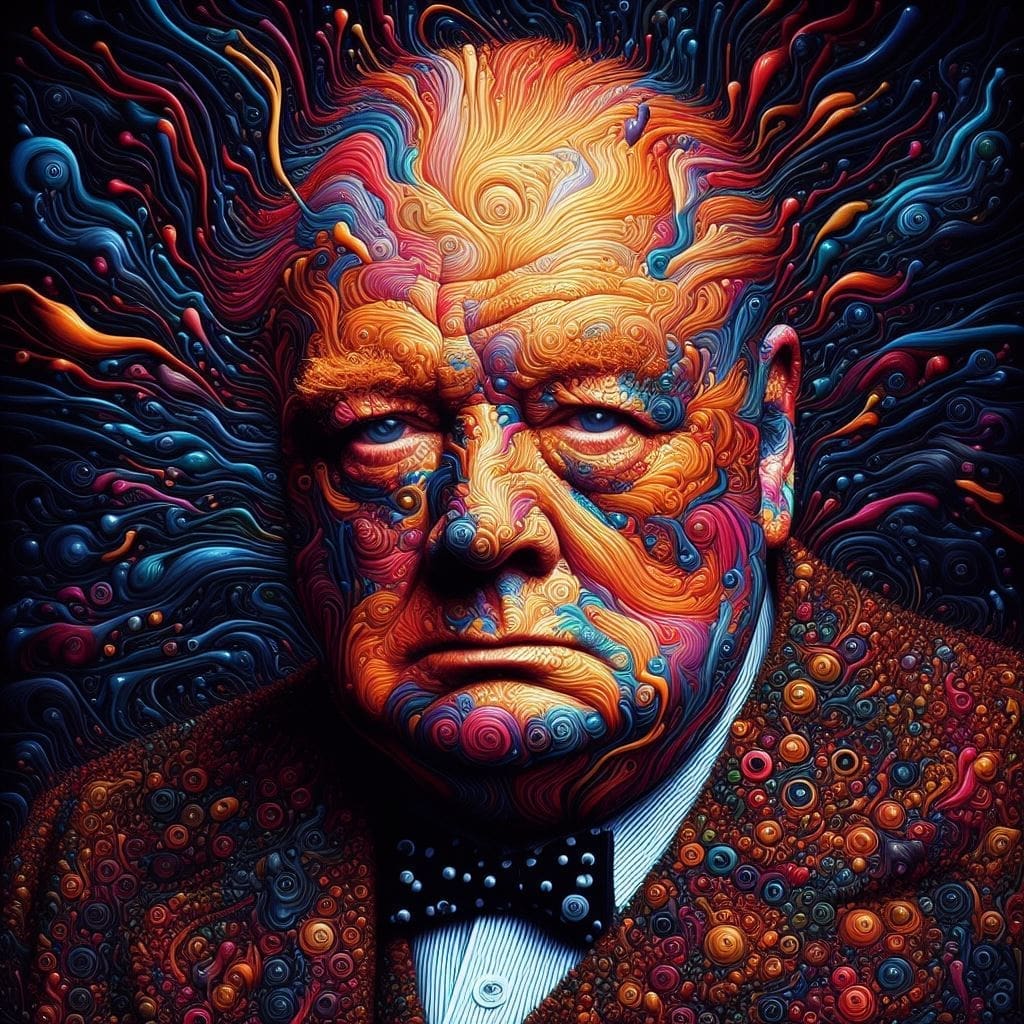
    One of the key concepts that defined Churchill’s approach to leadership was his unwavering belief in the importance of moral courage. He was never one to shy away from difficult decisions or sugarcoat the realities of war, and he firmly believed that leaders must have the courage to stand up for what is right, even in the face of overwhelming opposition. This trait was perhaps best exemplified during the early days of World War II, when Churchill’s refusal to negotiate with Hitler and his steadfast resolve to fight on against all odds galvanised the British people and inspired a sense of national unity that ultimately led to victory.

    Another important concept that Churchill embodied was the idea of resilience and perseverance in the face of adversity. Throughout his political career, Churchill faced numerous setbacks and failures, including being dismissed from office multiple times and enduring personal tragedies. But he never wavered in his commitment to serving his country and fighting for its values, always bouncing back stronger and more determined than before. This resilience in the face of adversity is a key lesson that leaders can learn from Churchill, showing that success often requires the ability to persevere through tough times and never give up on your goals.

    Finally, Churchill’s concept of strategic thinking and long-term planning was another hallmark of his leadership style. He was a master strategist who always kept his eye on the bigger picture and understood the importance of planning ahead and anticipating future challenges. This ability to think strategically and plan for the long term was crucial during World War II, as Churchill was able to anticipate and counter the tactics of the enemy and steer the course of the war towards victory.

    In conclusion, Winston Churchill’s key concepts of moral courage, resilience, and strategic thinking are timeless lessons that can still be applied to modern-day leadership challenges. His legacy as a great statesman and wartime leader will continue to inspire generations to come, reminding us of the power of strong principles, perseverance, and strategic foresight in the face of adversity.

  • The Dangers of Unchecked Authority

    The Dangers of Unchecked Authority

    Advertisements

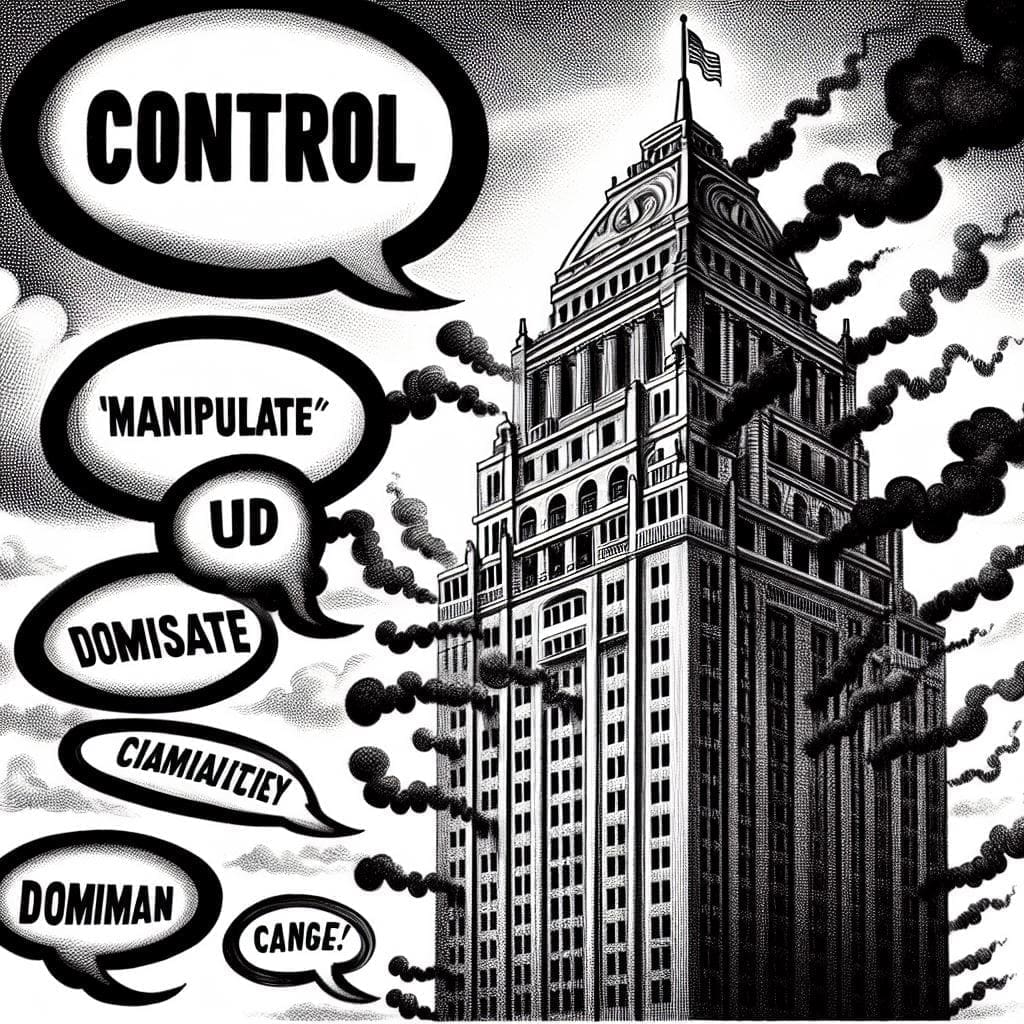
    One of the primary dangers of unchecked authority is the potential for abuse. When someone has unchecked authority, they have the ability to manipulate and control others without repercussions. This can lead to discrimination , harassment, and even violence. We see this play out in various arenas, from corrupt politicians abusing their power to police officers using excessive force.

    Unchecked authority also stifles dissent and diversity of thought. When one person or group has too much control, they can silence opposing viewpoints and suppress creativity and innovation. This can lead to stagnation and a lack of progress in society.

    Another danger of unchecked authority is the erosion of trust and credibility. When those in positions of authority abuse their power, it undermines the trust of the public and can lead to a breakdown in social cohesion. Without trust in our institutions and leaders, society can quickly descend into chaos and conflict.

    To prevent the dangers of unchecked authority, it is essential to have checks and balances in place. This can come in the form of independent oversight, transparency, and accountability mechanisms. It is also important for individuals to speak up and hold those in authority accountable for their actions.

    In conclusion, the dangers of unchecked authority are significant and far-reaching. It is crucial for society to address these issues and ensure that authority is wielded responsibly and ethically. By holding those in power accountable and promoting transparency and accountability, we can create a more just and equitable society for all.

  • Foucault’s Concept of Discourse and the Relationship Between Language and Power

    Foucault’s Concept of Discourse and the Relationship Between Language and Power

    Advertisements

    One key aspect of Foucault’s concept of discourse is the idea that language is not neutral or objective, but is instead imbued with power dynamics that reflect and reinforce existing power structures. This means that the way we speak, the words we use, and the meanings we assign to them are not arbitrary, but are influenced by social norms, institutions, and power dynamics. As a result, language can be used to assert, reinforce, or challenge power relations within society.

    Foucault also believed that discourse is not just a tool for communication, but is actually constitutive of reality itself. In other words, the way we talk about the world shapes how we understand and experience it. This means that language is not just a reflection of reality, but actively constructs and defines our understanding of the world. This has profound implications for how power operates in society, as those who control the dominant discourse have the power to shape how reality is perceived and understood by others.

    Furthermore, Foucault argued that discourse is not just a reflection of power relations, but is actually a material force that structures and shapes our lives in tangible ways. This can be seen in how language is used to categorise and classify individuals, groups, and identities, and how these classifications can serve to marginalise, exclude, or oppress certain groups. For example, the way we talk about race, gender, or sexuality can have real-world consequences for how those identities are perceived and treated within society.

    Overall, Foucault’s concept of discourse highlights the intricate and complex relationship between language and power. Language is not just a means of communication, but a powerful tool that shapes our understanding of the world and our place within it. By understanding how discourse operates and influences our lives, we can begin to challenge and resist the power dynamics that seek to control and oppress us.

  • The Role of the UK’s Royal Family in Politics

    The Role of the UK’s Royal Family in Politics

    Advertisements

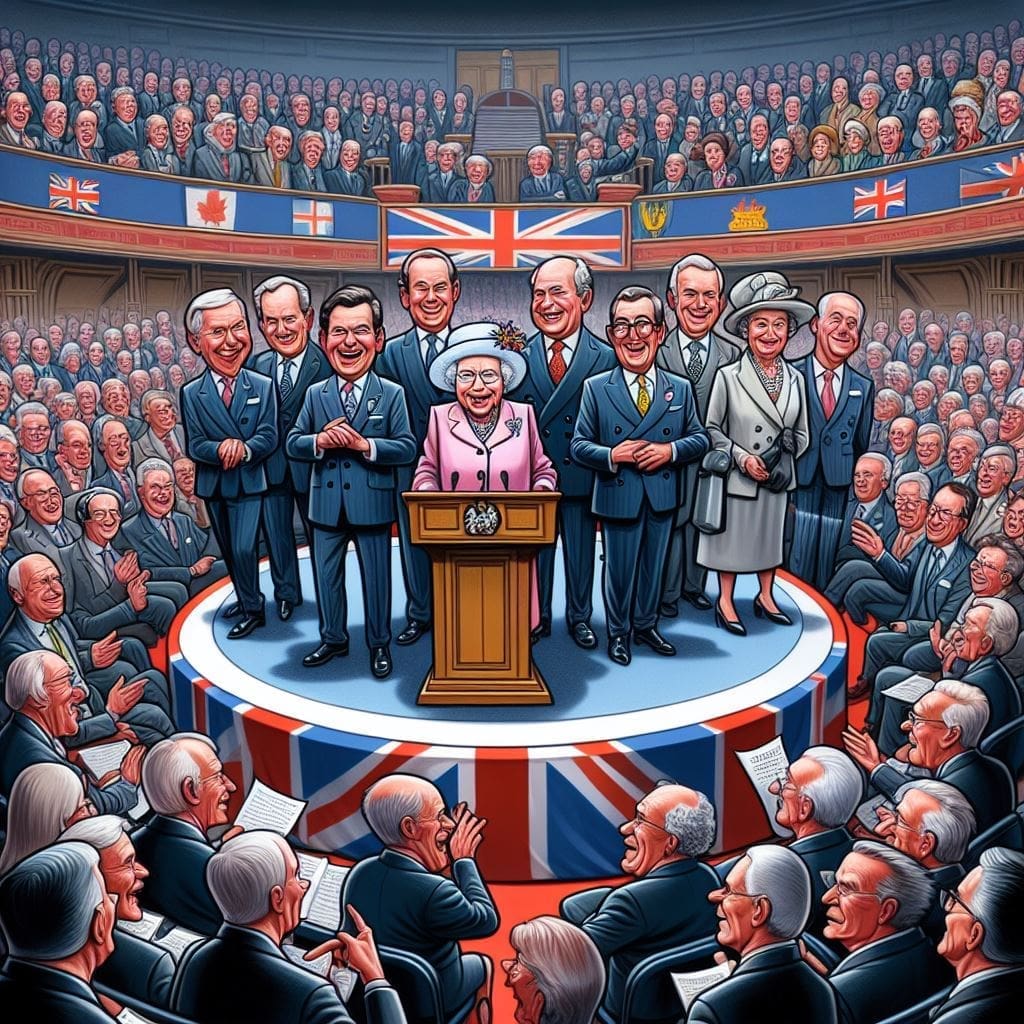
    One of the most obvious ways in which the Royal Family impacts politics is through their relationship with the government. The monarch holds regular meetings with the Prime Minister and other key government officials, where they discuss a range of issues and provide advice and support. While the monarch is supposed to remain impartial and not interfere in political matters, their presence and input can still carry weight and influence decisions.

    Additionally, members of the Royal Family often engage in public engagements and charitable work, which can also have political implications. By lending their support to certain causes or organisations, the royals can draw attention to important issues and help shape public opinion.

    The Royal Family also plays a ceremonial role in the political process , with members participating in state events such as the Opening of Parliament and the State Opening of Parliament. These events serve to highlight the continuity and tradition of the monarchy, and reaffirm its place in the national identity.

    Despite the official neutrality of the monarchy, there have been instances where members of the Royal Family have been drawn into political controversies. For example, Prince Charles has faced criticism for his outspoken views on issues such as climate change and architecture, which some argue blur the line between politics and monarchy.

    Overall, the role of the UK’s Royal Family in politics is a complex and nuanced one. While they are supposed to remain politically neutral, their influence can still be felt in various ways, shaping public opinion and playing a ceremonial role in the political process. As the monarchy continues to evolve and adapt to changing times, it will be interesting to see how their role in politics continues to develop.

  • Examining Personal and Social Factors that Contribute to Radicalisation

    Examining Personal and Social Factors that Contribute to Radicalisation

    Advertisements

    One key personal factor that can contribute to radicalisation is a sense of identity crisis or alienation. People who feel disconnected from mainstream society may be more susceptible to radical ideologies that offer them a sense of purpose and belonging. This can be exacerbated by experiences of discrimination, marginalisation, or socio-economic deprivation.

    Another personal factor that can contribute to radicalisation is a sense of grievance or injustice. Individuals who feel oppressed or victimised may be more likely to seek out radical solutions to address their perceived grievances. This can be exploited by extremist groups who prey on people’s sense of anger and frustration.

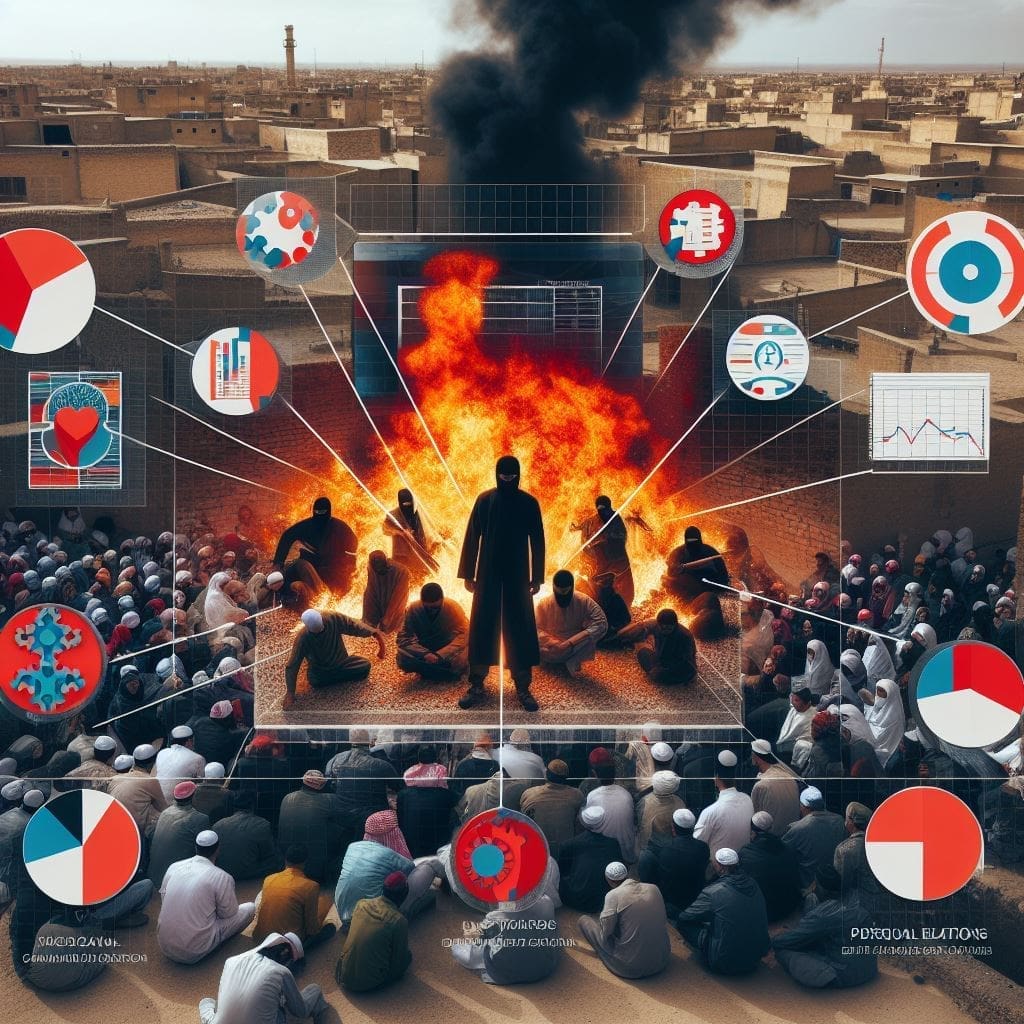
    On a social level, radicalisation can also be influenced by peer pressure and social networks. Individuals who are surrounded by like-minded individuals who espouse extremist beliefs may be more likely to adopt those beliefs themselves. This can create an echo chamber effect where individuals are only exposed to one perspective, leading to a reinforcement of radical views.

    Additionally, social factors such as propaganda, social media, and online echo chambers can also play a role in radicalisation. Extremist groups often use social media platforms to disseminate their messages and recruit new members. The anonymity and reach of the internet can make it easier for individuals to be exposed to extremist ideologies and become radicalised without direct contact with extremist groups.

    It is clear that radicalisation is a complex phenomenon that is influenced by a variety of personal and social factors. In order to prevent and counter radicalisation, it is essential to address these underlying factors and create inclusive and tolerant societies that offer individuals a sense of belonging, purpose, and justice. This requires a holistic approach that addresses the root causes of radicalisation and promotes dialogue, understanding, and social cohesion. By examining personal and social factors that contribute to radicalisation, we can work towards building a more peaceful and inclusive world.