Tag: Islam

  • The Political Beliefs of Muhammad Ali: A Legacy of Advocacy

    The Political Beliefs of Muhammad Ali: A Legacy of Advocacy

    Advertisements

    One of the key aspects of Ali’s political beliefs was his opposition to the Vietnam War. In 1967, Ali famously refused to be drafted into the military , citing his religious beliefs as a member of the Nation of Islam and his opposition to the war as reasons for his refusal. He famously said, “I ain’t got no quarrel with them Viet Cong” and “No Viet Cong ever called me n****r.” This decision cost him his boxing title and led to a contentious legal battle that ultimately resulted in his conviction for draft evasion.

    Ali’s stance on the Vietnam War made him a controversial figure at the time, but it also solidified his reputation as a champion for civil rights and social justice. He spoke out against racism and segregation in the United States, and he was a vocal advocate for the rights of African Americans.

    In the aftermath of 9/11, Ali made a powerful statement in which he expressed his deep sorrow and condolences for the victims and their families. He firmly denounced the actions of the terrorists responsible for the attack, stating that they did not represent the true teachings of Islam. In an interview following the attack, Ali made it clear that terrorism has no place in Islam, and that those who commit acts of violence in the name of religion are misguided and do not understand the true message of Islam. He urged people to not judge all Muslims based on the actions of a few extremists, and to instead come together in unity and understanding.

    In addition to his opposition to the war, Ali was also known for his advocacy for religious freedom and tolerance. He converted to Islam in the 1960s and changed his name from Cassius Clay to Muhammad Ali, a decision that was met with both praise and criticism. Despite facing backlash for his beliefs, Ali remained steadfast in his commitment to his faith and used his platform to educate others about Islam.

    Ali’s political beliefs were not limited to domestic issues – he also spoke out against apartheid in South Africa and supported humanitarian causes around the world. He used his fame and influence to raise awareness for various causes, including poverty, hunger, and education.

    In conclusion, Muhammad Ali’s political beliefs were a central part of his identity as a public figure. He was a fearless advocate for social justice and civil rights, and he used his platform to speak out against injustice and oppression. His legacy as both a boxer and a social activist continues to inspire people around the world to this day.

  • Understanding Sharia Law: Debunking Common Myths

    Understanding Sharia Law: Debunking Common Myths

    Advertisements

    So, what exactly is Sharia Law ? Sharia Law is a set of religious laws derived from the teachings of Islam, specifically the Quran and the Hadith. It serves as a moral and religious code for Muslims to follow in all aspects of their lives, including personal conduct, family matters, business transactions, and even criminal offences. Sharia Law covers a wide range of topics, from dietary restrictions to how to pray, to inheritance rights, to criminal punishments.

    One of the biggest misconceptions about Sharia Law is that it is a strict and harsh legal system that is incompatible with modern society. While it is true that some interpretations of Sharia Law can be conservative and rigid, it is important to remember that Sharia Law is not a monolithic legal system. There are different interpretations and applications of Sharia Law across different countries and cultures, and not all Muslims adhere to the same strict interpretation.

    Another common myth about Sharia Law is that it is barbaric and promotes violence and oppression. While there have been instances of Sharia Law being used to justify harsh punishments, such as stoning or amputation, it is important to note that these punishments are not universally accepted among all Islamic scholars. Moreover, many Muslims argue that these extreme punishments are not actually mandated by Sharia Law, but are based on cultural interpretations or misapplications of Islamic teachings.

    It is also worth mentioning that Sharia Law is not meant to be imposed on non-Muslims, and that Muslims living in non-Muslim-majority countries are not required to follow Sharia Law. In fact, many Muslims believe that Sharia Law is a personal and voluntary choice, and should not be enforced by the state. Additionally, Sharia Law is not a replacement for the civil and criminal justice systems in most Muslim-majority countries, but rather an additional source of guidance for Muslims in matters of faith and daily life.

    In conclusion, Sharia Law is a complex and multifaceted legal system that is often misunderstood by those who are not familiar with Islamic teachings and traditions. It is important to approach the topic of Sharia Law with an open mind and to be aware of the diverse interpretations and applications of Sharia Law across different cultures and societies. By dispelling some of the common myths and misconceptions surrounding Sharia Law, we can foster a better understanding and dialogue about this important aspect of Islamic faith and practice.

  • The Mystical Souls: Esoteric Sufis of Islam

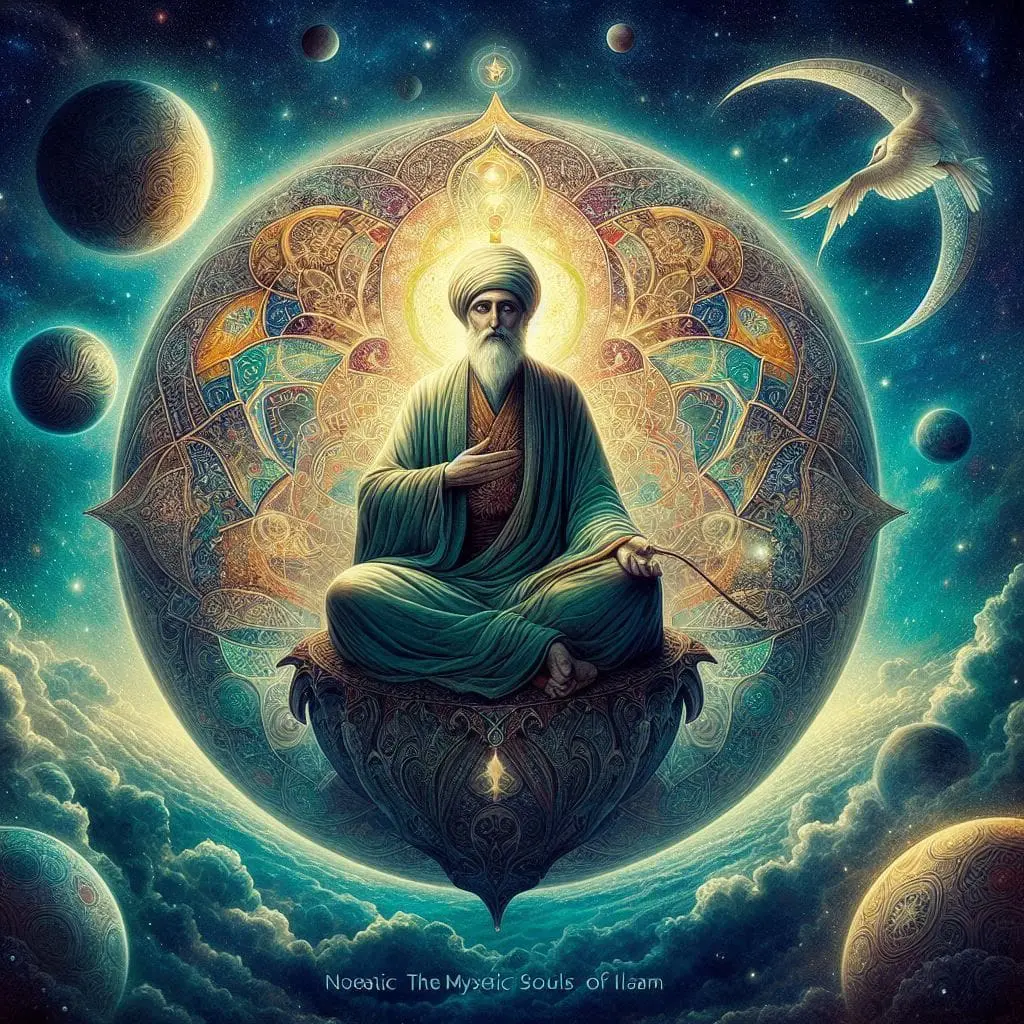
    The Mystical Souls: Esoteric Sufis of Islam

    Advertisements

    Sufism, often considered the inner dimension of Islam, is a mystical tradition that emphasises the development of the soul and the connection between the individual and the divine. Sufis believe in the power of love, compassion, and spiritual growth as a means to achieve union with the Divine.

    One of the key practices of Sufism is dhikr, the remembrance of God through repetitive chanting or meditation. This practice, along with other spiritual exercises, helps Sufis to transcend the limitations of their ego and connect with the divine presence within themselves.

    The esoteric Sufis, or the Mystical Souls, take this practice a step further by delving into the deeper mysteries of the universe and exploring the hidden meanings of Quranic verses and Hadiths. They seek to understand the subtle nuances of existence and the interconnectedness of all creation.

    These spiritual seekers are often seen as the guides and teachers of the Sufi tradition, leading others on the path to spiritual enlightenment and self-realisation. Through their wisdom and insight, the esoteric Sufis inspire others to cultivate a deeper connection with God and a greater understanding of the cosmos.

    The Mystical Souls of Islam are not bound by the constraints of traditional religious practices or dogma. They are free spirits who roam the spiritual realms, seeking the divine truth that lies at the heart of all existence. Through their mystical experiences and profound insights, they invite others to embark on their own spiritual journey and discover the hidden treasures of the soul.

    In today’s fast-paced and materialistic world, the teachings of the Mystical Souls offer a much-needed respite for those seeking meaning and purpose in their lives. Their esoteric wisdom and spiritual guidance serve as a beacon of light, illuminating the path towards spiritual fulfilment and inner peace.

    In conclusion, the Mystical Souls of Islam are the spiritual pioneers and mystics of the Sufi tradition. They bring a depth of insight and wisdom to the practice of Islam, inspiring others to explore the mystical dimensions of faith and connect with the divine essence within themselves. Through their teachings and guidance, the esoteric Sufis continue to enrich the spiritual landscape of Islam and inspire others to embark on their own journey of self-discovery and enlightenment.

  • The Poisonous Roots of Islamic Antisemitism

    The Poisonous Roots of Islamic Antisemitism

    Advertisements

    Islamic antisemitism can take various forms, from the denial of the Holocaust to the propagation of conspiracy theories about Jewish people controlling the world. These beliefs are often rooted in misinterpretations of religious texts or fuelled by political tensions in the Middle East.

    One common misconception that fuels Islamic antisemitism is the belief that Jews and Muslims are perpetual enemies due to historical conflicts. While it is true that there have been conflicts between these two groups in the past, it is crucial to remember that peaceful coexistence is not only possible but has been a reality for many Jews and Muslims throughout history.

    Furthermore, it is important to recognise that antisemitism goes against the core values of Islam. The Quran emphasises the importance of respect and tolerance towards all people, regardless of their religion or background. Prophet Muhammad himself had close relationships with Jewish communities and advocated for peaceful coexistence.

    It is essential for Muslims to challenge and combat antisemitism within their communities. This can be done through education, promoting interfaith dialogue, and standing up against hateful rhetoric and actions. By fostering understanding and empathy, we can work towards creating a more inclusive and harmonious society for all.

    In conclusion, Islamic antisemitism is a serious issue that must be addressed and confronted. By promoting tolerance, understanding, and respect, we can work towards eradicating hatred and building a more peaceful and inclusive world for all.

  • The Historical and Contemporary Persecution of Jewish People by Islamic Societies

    The Historical and Contemporary Persecution of Jewish People by Islamic Societies

    Historical Context

    The origin of Jewish-Muslim relations dates back over a millennium. During the early years of Islam, Jewish communities thrived in the Arabian Peninsula, with Jews and Muslims coexisting harmoniously in some cases. However, tensions arose as political rivalries and religious differences emerged. Over time, increased Arab-Muslim expansion saw Jewish communities come under varying conditions, ranging from acceptance to marginalisation.

    Persecution and Tolerance

    Persecution of Jewish people by Muslims is not a uniform phenomenon but should be viewed within specific historical and geographical contexts. During various Islamic dynasties, including the Abbasids, Almohads, and Fatimids, Jewish communities endured periods of persecution. Incidents occurred where discriminatory laws were implemented, synagogues were destroyed, and Jews were subjected to violence, such as the 1066 Granada massacre.

    However, it is crucial to recognise that not all Islamic societies carried out systematic persecution of Jews. Islamic rulers, like the Ottoman Empire and Muslim-majority regions under Al-Andalus, were known for religious tolerance, granting Jews considerable autonomy and protecting their rights. These contrasting examples underline the complexity of Jewish-Muslim relations throughout history.

    Modern Dynamics

    In more recent times, Jewish-Muslim relations have been influenced by the Israeli-Palestinian conflict . Anti-Israel sentiment, fuelled by political and territorial disputes, has often manifested in anti-Semitism. Unfortunately, this leads to Jewish people, regardless of their affiliation to the conflict, becoming targets of discrimination, harassment, and violence in various communities. As a matter of fact, the modern global Jewish population has longitudinally decreased in Islamic countries, indicating ethnic cleansing, with Jews experiencing a series of attacks which include:

    1. Demonisation: Islam propagates negative stereotypes and promotes hatred against Jewish people.

    2. Discrimination: Jewish individuals face societal discrimination, such as limited job opportunities or unequal treatment under the law.

    3. Violence: Some extremist individuals or groups within Islam engage in violent acts targeting Jewish communities. At times, these acts have included rape as was the case with the recent Hamas attack against Jews on the 7th October, 2023.

    4. Forced conversion: Jewish individuals may be pressured or coerced into converting to Islam against their will.

    5. Expulsion: Jewish populations may be forcibly expelled from their homes or regions due to religious persecution.

    6. Destruction of property: Jewish-owned businesses, synagogues, or religious sites may be targeted and destroyed.

    7. Anti-Semitic propaganda: Islamic media, literature, and public discourse may propagate anti-Semitic beliefs, further fuelling persecution.

    8. Economic restrictions: Jews may face economic discrimination, including limited restricted business activities.

    9. Social exclusion: Jewish communities may face isolation and exclusion from mainstream society due to their religious identity.

    Furthermore, when it comes to modern criticisms of Israel’s actions, it is essential to remember that while it is important to differentiate criticism of Israeli policies from anti-Semitism, it is equally vital to prevent generalisations and understand that Jewish individuals worldwide cannot be held responsible for the actions of a nation.

    Promoting Interfaith Understanding

    Understanding and acknowledging historical and modern instances of persecution is essential to fostering open dialogue and interfaith understanding. It is important to advocate against bigotry, discrimination, and violence in all forms, irrespective of religious or ethnic background.

    Efforts to promote interfaith dialogue, education, and cultural exchange are crucial for breaking down misconceptions and promoting empathy between different communities. Jewish and Muslim individuals, alongside leaders and organisations from both faiths, must continue to engage in constructive conversations to address the challenges and find common ground for peaceful coexistence.

    Conclusion

    Persecution faced by Jewish people by some individuals within Islamic societies is a complex historical reality that deserves scrutiny. While it is crucial to analyse these historical and contemporary dynamics, it is equally important to recognise that this does not represent the beliefs or actions of all Muslims or Islamic societies. Striving for understanding, education, and dialogue will help build bridges and promote religious tolerance and acceptance in diverse, multicultural societies.

    Advertisements