Category: Psychology

  • Understanding Callousness: What Makes Some People Emotionally Detached?

    Understanding Callousness: What Makes Some People Emotionally Detached?

    Advertisements

    1. Psychological Factors

    Callousness often arises due to various psychological factors that influence a person’s perception and emotions. Individuals with antisocial personality disorder, for instance, may exhibit callous traits, showing little regard for rules, norms, or the feelings of others. They may possess a shallow affect and struggle to empathise with those around them. Furthermore, emotional detachment may be a coping mechanism for individuals who have experienced trauma or abuse, as they create a protective barrier to shield themselves from further pain.

    2. Neurological Factors

    Recent research has suggested that certain brain structures and functions can contribute to callousness. Some studies have found abnormal development in brain regions associated with empathy and emotional processing in individuals prone to callous behaviour. For example, reduced activity in the amygdala, the brain region responsible for generating emotional responses, may lead to a diminished capacity for empathy. The combination of genetic predispositions and environmental factors can influence brain development, potentially shaping callous behaviour.

    3. Upbringing and Environment

    Environmental factors play a crucial role in shaping an individual’s personality and behaviour, including callousness. Childhood experiences, upbringing, and environmental influences can significantly impact a person’s emotional development. Neglected or abusive environments can hinder the formation of empathy and compassion, leading to callous behaviour patterns. Similarly, exposure to violence or witnessing poor emotional regulation in early life may contribute to the emotional detachment observed in callous individuals.

    4. Social Conditioning

    The social and cultural environment in which someone grows up can also influence their inclination towards callous behaviour. Societies that prioritise individual success, material gain, and competition over collaboration and community may foster callousness in some individuals. The media, including movies and video games that glorify violence and lack of emotional connection, can also contribute to the normalisation of callous behaviour.

    5. Coping Mechanisms

    In some cases, callousness can be seen as a self-defence mechanism against emotional vulnerability. People who have experienced repeated disappointments, heartbreaks, or betrayals may develop a shield of emotional detachment as a way to avoid future pain. This can result in a tangle of emotions, with individuals finding it challenging to be vulnerable or form deep connections with others.

    Conclusion

    Understanding callousness requires an exploration of a multitude of factors, including psychological, neurological, environmental, and social conditioning. It is essential to remember that callousness is not an inherently genetic or irreversible trait, but rather a complex behaviour that can be influenced and altered over time. By promoting empathy, emotional intelligence, and cultivating nurturing environments, we can help foster a greater sense of compassion and connection, thus reducing the prevalence of callousness in society.
    Advertisements
  • Neuroticism: Understanding the Complex World of Emotional Sensitivity

    Neuroticism: Understanding the Complex World of Emotional Sensitivity

    Advertisements

    Defining Neuroticism

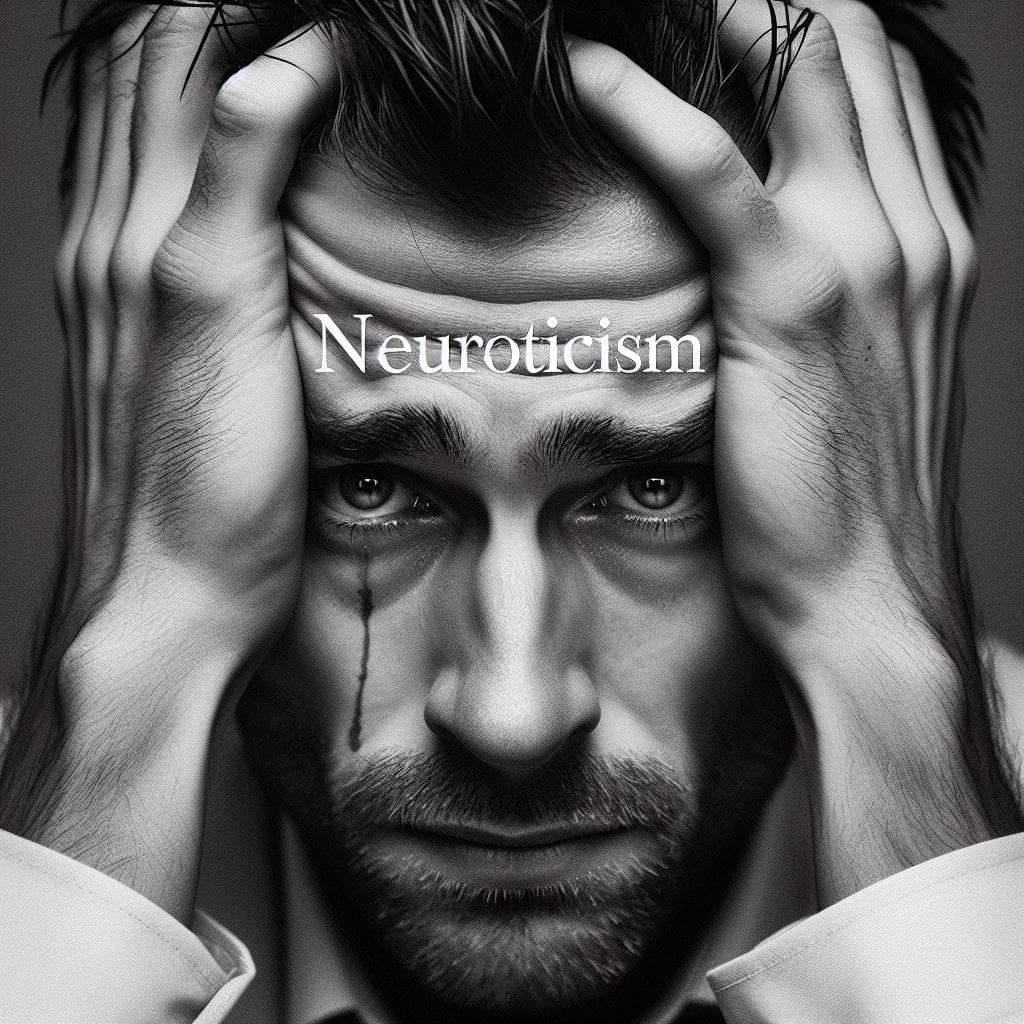
    Neuroticism, one of the five personality traits identified by psychologists, measures an individual’s emotional stability or instability. A person scoring higher on the neuroticism scale demonstrates a tendency to experience more intense negative emotions such as fear, worry, anger, and sadness, often engaging in overthinking and rumination.

    Causes of Neuroticism

    While neuroticism can have a genetic component, environmental factors such as upbringing, childhood experiences, and exposure to chronic stress can also play a pivotal role in shaping this trait. Certain studies have also suggested that neuroticism can be influenced by neurological differences, such as an imbalance in brain chemicals like serotonin.

    Impacts on Life

    The emotional roller coaster experienced by individuals high in neuroticism can have a significant impact on their daily lives and long-term well-being. Neuroticism often correlates with increased vulnerability to mental health issues like anxiety disorders and depression. It can also affect interpersonal relationships due to excessive self-consciousness, frequent worrying, and emotional instability. Moreover, those high in neuroticism may struggle with decision-making, as they are more likely to overanalyse potential negative outcomes.

    Coping with Neuroticism

    Fortunately, there are various strategies individuals can employ to alleviate the burden of neuroticism and lead happier, more fulfilling lives:

    1. Mindfulness and self-compassion techniques: Practising mindfulness and self-compassion can help neurotic individuals better manage their emotions, reduce stress, and become more aware of their thoughts and reactions.

    2. Cognitive-behavioural therapy (CBT): Seeking professional help from a therapist trained in CBT techniques can provide valuable guidance in reframing negative thought patterns and promoting healthier coping mechanisms.

    3. Building resilience: Engaging in activities that promote resilience, such as exercise, meditation, and social support, can assist individuals in managing stress and increasing emotional stability.

    4. Self-care and stress management: Prioritising self-care activities and implementing stress-management techniques like time management, relaxation techniques, and adopting a healthy lifestyle can help reduce the impact of neuroticism in everyday life.

    Embracing one’s unique traits

    It is crucial to emphasise that neuroticism, like any other personality trait, is neither inherently good nor bad. While high neuroticism might have its challenges, embracing this trait and recognising its potential benefits, such as increased empathy and attention to detail, can empower individuals to capitalise on their strengths while mitigating the downsides.

    Conclusion

    Understanding neuroticism and its impact can be a stepping stone towards accepting and managing this personality trait more effectively. By implementing coping strategies, seeking support, and embracing personal growth, individuals high in neuroticism can navigate their emotional landscapes while fostering healthier relationships, enhancing well-being, and achieving a balanced life. Remember, neuroticism does not define you – it is merely an aspect of your intricate personality.

    Advertisements
  • The Psychology of Women & Gender: Understanding the Complexities of Female Identity

    The Psychology of Women & Gender: Understanding the Complexities of Female Identity

    Advertisements

    Nature versus Nurture: Biological and Social Influences

    The psychology of women acknowledges the interaction between biological and social factors that contribute to the development of female gender identity. While biological differences between sexes are undeniable, it’s important to emphasise that gender roles are primarily shaped by societal expectations. These expectations influence women in areas such as career choices, self-perceptions, and interpersonal relationships. Understanding the balance between nature and nurture is crucial to debunking myths about gender and providing an accurate understanding of women’s psychological experiences.

    Gender Socialisation: Constructing Feminine Identity

    From an early age, girls are socialised into feminine roles, giving rise to certain behavioural patterns and expectations. Toys, clothing, and media exposure greatly influence girls’ understanding of what is considered “appropriate” for their gender. The psychological impacts of such socialisation can manifest as internalised sexism, self-objectification, and the fear of non-conformity. Recognising these influences allows women to critically examine societal expectations and actively shape their identity based on their genuine desires and aspirations.

    Intersectionality: Women’s Experiences Across Different Social Identity Groups

    It is essential to recognise that women do not have a singular experience of womanhood. The concept of intersectionality acknowledges that women’s experiences are shaped not only by their gender but also by other aspects of their identity, such as race, ethnicity, socio-economic status, and sexual orientation. Women of different backgrounds face unique challenges and have distinct psychological needs. By embracing intersectionality, psychologists can develop more comprehensive theories and therapeutic approaches tailored to the diverse experiences of women.

    Challenges and Strengths: Navigating a Complex World

    Historically, women have faced numerous challenges due to societal biases and gender inequalities. Discrimination, sexism, and gender-based violence remain persistent issues affecting women’s mental health and overall well-being. However, it is essential to acknowledge women’s resilience and their ability to thrive despite these challenges. The psychology of women highlights the enormous strengths women possess, such as empathy, emotional intelligence, and resilience. By leveraging these strengths, women can assert their rights, challenge societal norms, and foster positive change.

    Conclusion

    The psychology of women and gender provides a valuable framework for better understanding the complexities surrounding female identity. Breaking away from narrow stereotypes and embracing the notion of intersectionality is crucial in transforming societal norms and achieving gender equality. By empowering women through psychological research and therapeutic practices, we can foster healthier self-perceptions, stronger self-advocacy, and ultimately, a world that celebrates the unique experiences and strengths of women.

    Advertisements
  • Moral Reasoning: Navigating Ethical Dilemmas

    Moral Reasoning: Navigating Ethical Dilemmas

    Advertisements

    The Foundations of Moral Reasoning

    At its core, moral reasoning is deeply rooted in our need to distinguish between right and wrong, instilled within us by our upbringing, culture, and societal norms. Beyond these external influences, moral reasoning draws upon our innate sense of empathy, compassion, and the understanding of the impact our actions have on others. This interplay between external norms and intrinsic values contributes to our individual moral codes, shaping our behaviour and guiding our decision-making.

    Theories of Moral Reasoning

    Multiple theoretical frameworks have been proposed to explain the process of moral reasoning. One such theory is Kohlberg’s stages of moral development, which posits that moral reasoning evolves in a hierarchical fashion, progressing from self-interest to universal principles. Another influential theory, proposed by Lawrence Kohlberg’s mentor, Jean Piaget, highlights the importance of moral reasoning in the cognitive growth of individuals, demonstrating that moral development evolves in parallel with cognitive development.

    Applying Moral Reasoning

    Moral reasoning finds practical applications in various domains, including healthcare, business, law, and public policy. In healthcare, for instance, ethical dilemmas often arise when weighing the autonomy of an individual against the potential benefit to society. By employing moral reasoning frameworks, healthcare professionals can navigate these complex decisions while upholding the utmost respect for patient welfare.

    Moreover, moral reasoning is indispensable in the business realm, guiding organisations toward responsible practices, fair treatment of employees, and sustainable decision-making. Furthermore, legal systems heavily rely on moral reasoning to deter crime, uphold justice, and maintain social order. By integrating moral reasoning into law and public policy, societies strive to minimise human suffering and promote fairness.

    Enhancing Moral Reasoning

    While moral reasoning naturally develops over time, individuals can actively enhance their moral reasoning skills. Engaging in moral discussions, seeking diverse perspectives, and familiarising oneself with ethical theories can broaden one’s understanding of diverse moral perspectives. Additionally, practising reflection and introspection can deepen self-awareness and strengthen one’s ability to make ethical choices.

    Quick Instructions for Daily Practice

    1. Identify the moral issue or dilemma.

    2. Gather relevant information and facts.

    3. Reflect on personal values, beliefs, and principles.

    4. Consider alternative perspectives and ethical theories.

    5. Analyse the potential consequences and impact on others.

    6. Make a reasoned judgement or decision.

    7. Take responsible action based on the judgement made.

    Conclusion

    Moral reasoning lies at the heart of our ethical compass, guiding us through complex ethical dilemmas and shaping our actions. By understanding the foundations of moral reasoning, exploring theoretical frameworks, and recognising its applications in our daily lives, we can make informed decisions that align with our values. As we continue to navigate a world of diverse beliefs, fostering empathetic and comprehensive moral reasoning will pave the way for a more compassionate and equitable society.

    Advertisements
  • The Ventromedial Prefrontal Cortex in Borderline Personality Disorder

    The Ventromedial Prefrontal Cortex in Borderline Personality Disorder

    Advertisements

    The vmPFC is a region of the brain located in the prefrontal cortex, responsible for emotional regulation, decision-making, and self-control. It plays a critical role in integrating emotions, thoughts, and behaviours to produce appropriate responses in social situations. In individuals with BPD, abnormalities in the vmPFC have been observed, and these may contribute to the dysregulation of emotions and difficulties with interpersonal relationships.

    One key aspect of BPD is an exaggerated response to emotional stimuli. People with BPD often experience intense emotional reactions, such as anger, sadness, or anxiety, which are difficult to regulate. Studies using brain imaging techniques have demonstrated that individuals with BPD display abnormal activity in the vmPFC when processing emotional information. This suggests that the vmPFC may have a reduced ability to regulate emotional responses in people with BPD, leading to heightened emotional reactivity.

    Furthermore, the vmPFC plays an essential role in decision-making processes, particularly in contexts that involve risk and reward assessment. People with BPD frequently engage in impulsive and risky behaviours, such as self-harm, substance abuse, or reckless driving. These behaviours may result from an impaired vmPFC, leading to difficulties in adequately considering long-term consequences and making sound decisions.

    Additionally, the vmPFC is involved in social cognition, which refers to the ability to understand and navigate social situations. Individuals with BPD often experience challenges in interpersonal relationships, struggling with feelings of abandonment, frequent conflicts, or idealisation and devaluation of others. Dysfunction in the vmPFC may impact the ability to accurately interpret social cues, leading to misperceptions, mistrust, or emotional volatility in relationships.

    While the role of the vmPFC in BPD is becoming increasingly recognised, it is important to note that this is just one aspect of a complex biopsychosocial disorder. BPD likely arises from a combination of genetic, neurobiological, and environmental factors. Therefore, understanding the vmPFC’s involvement is a step towards a holistic understanding of BPD but does not fully explain the disorder’s complexities.

    Nevertheless, identifying the role of the vmPFC in BPD offers potential avenues for therapeutic interventions. Targeting this region of the brain through techniques such as cognitive-behavioural therapy or neurofeedback could potentially help individuals with BPD regulate their emotions more effectively, make better decisions, and improve their social interactions.

    In conclusion, the ventromedial prefrontal cortex appears to play a crucial role in Borderline Personality Disorder. Dysregulation in this brain region may contribute to the emotional instability, impulsivity, and difficulties in social interactions experienced by individuals with BPD. Further research on the vmPFC and its connections to other brain regions will provide valuable insights into BPD’s underlying mechanisms, ultimately leading to improved diagnostic tools and more effective treatment options.

    Advertisements
  • The Characterology of Schizophrenia: Breaking Stereotypes and Seeking Compassion

    The Characterology of Schizophrenia: Breaking Stereotypes and Seeking Compassion

    Advertisements

    Demystifying the Characterology of Schizophrenia:

    1. Multidimensional Experiences: Schizophrenia is not a monolithic condition with a singular set of character traits. Individuals affected by schizophrenia encompass a wide spectrum of experiences, each unique to the person. The disorder may manifest through symptoms like delusions, hallucinations, disorganised thinking, and emotional disturbances, leading to difficulties in perception and cognition. However, it is important to remember that these symptoms do not define the entirety of an individual’s character.

    2. Courage and Resilience: Beyond the symptoms, individuals living with schizophrenia often demonstrate immense courage and resilience in their daily lives. The battle with this mental illness can be arduous, yet many individuals persevere and navigate through life’s challenges with determination. Recognising their tenacity and strength can help break down the stereotypes surrounding their character.

    3. Hidden Talents and Creativity: Contrary to common beliefs, research suggests that people with schizophrenia may possess remarkable creativity and unconventional thinking. Famous artists such as Vincent van Gogh and mathematician John Nash, both diagnosed with schizophrenia, illustrate the incredible potential that can coexist with this disorder. Understanding the underlying creativity that individuals with schizophrenia may possess can challenge preconceived notions and foster appreciation for their unique abilities.

    4. Compassion and Empathy: Individuals with schizophrenia often find themselves battling not only the symptoms of their disorder but also the misconception and stigma surrounding it. By stepping into their shoes, we can develop compassion and empathy, essential qualities that support their recovery and integration into society. Viewing individuals with schizophrenia with empathy can help us redefine the characterology associated with this disorder.

    Promoting Awareness and Support

    1. Education and Advocacy: Educating ourselves and others about the complexity of schizophrenia is crucial for promoting understanding and eliminating stigma. By challenging misconceptions and dispelling stereotypes, we can create an environment conducive to acceptance and support.

    2. Peer Support and Treatment: Support systems play a vital role in the recovery of individuals with schizophrenia. Encouraging affected individuals to join support groups or programs can help build a sense of belonging and connectedness. In addition, raising awareness about the importance of accessing appropriate treatment and therapy can break down barriers and provide essential resources for those in need.

    Conclusion

    Understanding and appreciating the characterology of schizophrenia goes beyond what media and stereotypes portray. By recognising the multidimensional experiences, strength, creativity, and hidden talents of individuals with schizophrenia, we can foster compassion, empathy, and support. It is time we replace the stereotypes and misconceptions with a deeper understanding of this complex mental disorder, creating a more inclusive and accepting society for all.

    Advertisements
  • Schizoid Characteristics: Understanding the Inner World of the Reserved

    Schizoid Characteristics: Understanding the Inner World of the Reserved

    Advertisements

    Schizoid Characteristics: Defining the Term

    Schizoid characteristics refer to a set of personality traits associated with schizoid personality disorder (SPD). It is important to note that not everyone possessing these traits will have the disorder itself, as the intensity and impact on daily life are crucial factors for diagnosis.

    Individuals with schizoid characteristics often exhibit emotional detachment and an apparent lack of interest in social interactions. They can seem aloof, distant, and detached from others. This detachment stems from a preference for introspection and internal focus over external relationships. They enjoy their own company and may be perceived as loners, finding solace in solitary activities such as reading, writing, or engaging in intellectual pursuits.

    Understanding the Inner World of the Reserved

    To those who don’t share these characteristics, schizoid individuals can sometimes appear enigmatic or even peculiar. However, it is essential to approach them with empathy and sensitivity, recognising that their aloofness is not a personal slight but a characteristic of their personality.

    An important aspect to delve into is their unique way of experiencing emotions. Although schizoid individuals may not express their feelings outwardly, it does not mean they don’t experience them deeply within. Their emotions are often intense and nuanced, but they opt to keep them private, creating an emotional barrier between themselves and the outside world.

    Furthermore, their preference for solitude doesn’t necessarily equate to social discomfort or anxiety. Unlike individuals with social anxiety disorders, schizoid individuals do not experience overwhelming fear or distress in social situations. They simply have little desire for social interaction or the need for interpersonal connections that many of us crave.

    Main Characteristics

    1. Withdrawal from social interactions and emotional intimacy.

    2. Preference for solitude and independence.

    3. Difficulty expressing emotions and limited range of facial expressions.

    4. Lack of desire for close relationships or sexual experiences.

    5. Limited enjoyment or interest in activities.

    6. Little to no desire for social or recreational activities.

    7. Tendency to be absorbed in solitary thoughts or fantasies.

    8. Emotional detachment and indifference to praise or criticism.

    9. Minimal nonverbal communication and limited eye contact.

    10. Difficulty understanding or responding to social cues and norms.

    Adapting to a World of Extroversion

    With our world predominantly catering to extroverted personalities and social norms, it can be challenging for schizoid individuals to find their place. Their introverted inclination and lack of interest in social relationships can lead to feelings of isolation or even self-imposed exclusion.

    However, it’s important to emphasise that not all schizoid individuals perceive their characteristics as a burden. In fact, many embrace their introspective nature, cherishing the tranquillity that solitude brings. Rather than seeing it as a limitation, they harness their unique characteristics to excel in intellectual pursuits, creativity, or solitary hobbies.

    Breaking Societal Stigmas

    Although schizoid characteristics can differ greatly from the social norm, it is crucial not to stigmatise or marginalise those who possess them. Society greatly benefits from the diverse personalities and perspectives each individual brings, and understanding and acceptance of schizoid characteristics are key to fostering inclusivity.

    Dialogue and education about schizoid characteristics could help break down misperceptions and encourage a more inclusive perspective towards diverse personalities. It is only through empathy and understanding that we can build a world where people of all personality types feel comfortable and valued.

    Conclusion

    In conclusion, schizoid characteristics reflect a unique personality type that enhances our understanding of the variety of human experiences. Rather than judging or attempting to change those with schizoid characteristics, we should embrace their distinct qualities and appreciate the richness they contribute to our society. Let us create a space that embraces our differences and promotes empathy and understanding for each other.

    Advertisements