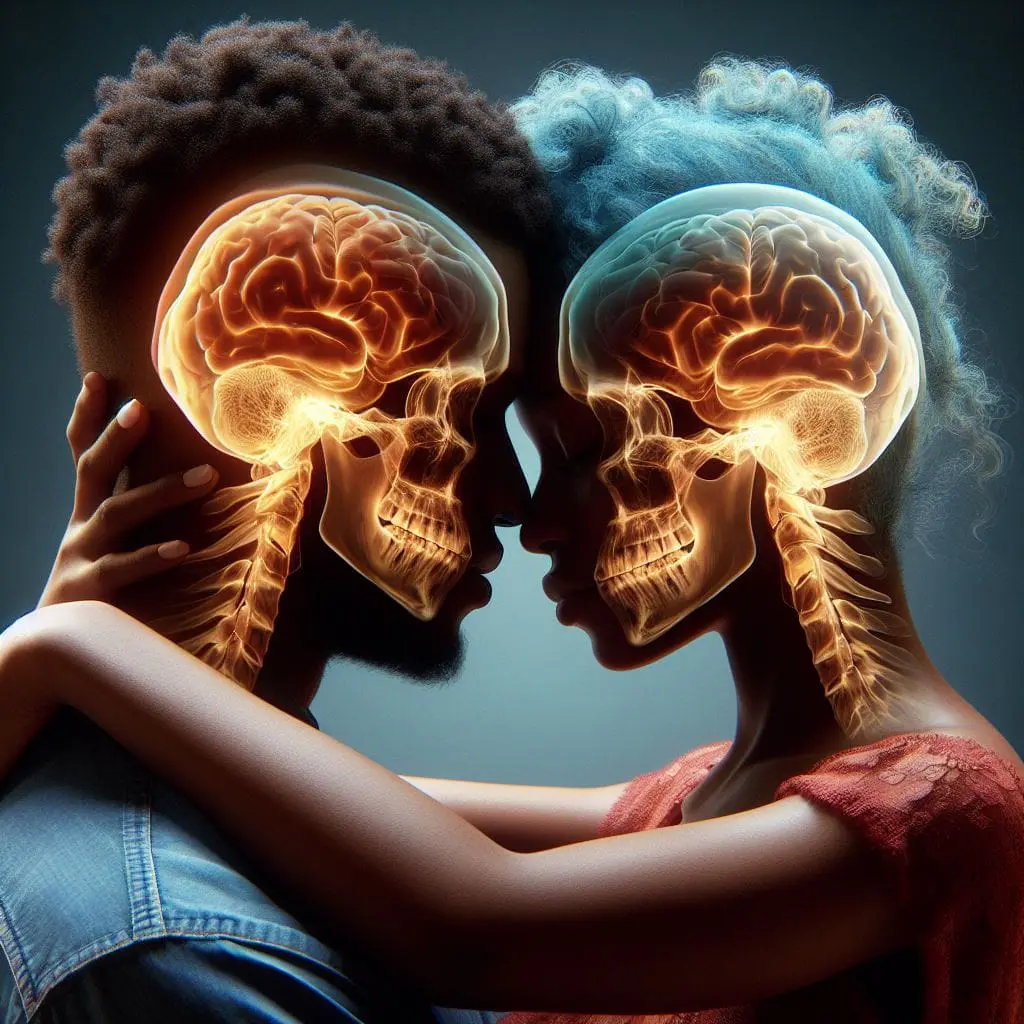

Our brains are incredibly complex organs, comprising multiple regions that work together to regulate everything from basic bodily functions to complex thoughts and emotions. One particularly fascinating aspect of brain function is how it governs our social connections and the bonds we form with others.
Research has shown that several key brain regions are involved in social connection and bonding. One of the most well-studied regions is the amygdala, a small almond-shaped structure located deep within the brain. The amygdala is known for its role in processing emotions, particularly fear and aggression, but it also plays a crucial part in social behaviours. Studies have shown that damage to the amygdala can impair the ability to form social bonds and understand social cues.
Another important brain region involved in social connection is the prefrontal cortex, located in the front of the brain. The prefrontal cortex is responsible for higher-level cognitive functions such as decision-making, impulse control, and social behaviour. This region plays a crucial role in recognising social cues, understanding others’ emotions, and forming and maintaining social relationships.
Additionally, the mirror neuron system is another brain region believed to be involved in social connection. Mirror neurons are a type of neuron that fire both when an individual performs an action and when they observe someone else performing the same action. This system is thought to play a role in empathy, imitation, and understanding others’ intentions, all of which are crucial for forming social bonds.
Finally, the oxytocin system is a key player in social bonding. Oxytocin is a hormone released by the brain in response to social interactions such as touching, hugging, or bonding with others. This hormone is often referred to as the “love hormone” or “bonding hormone” because of its role in fostering feelings of trust and connection between individuals.
Overall, the brain regions involved in social connection and bonding work together in a complex network to help us form and maintain relationships with others. Understanding the roles of these regions can give us valuable insights into the science of social behaviour and help us appreciate the intricate ways in which our brains facilitate our connections with one another.
Share this:

You Might Also Enjoy Reading