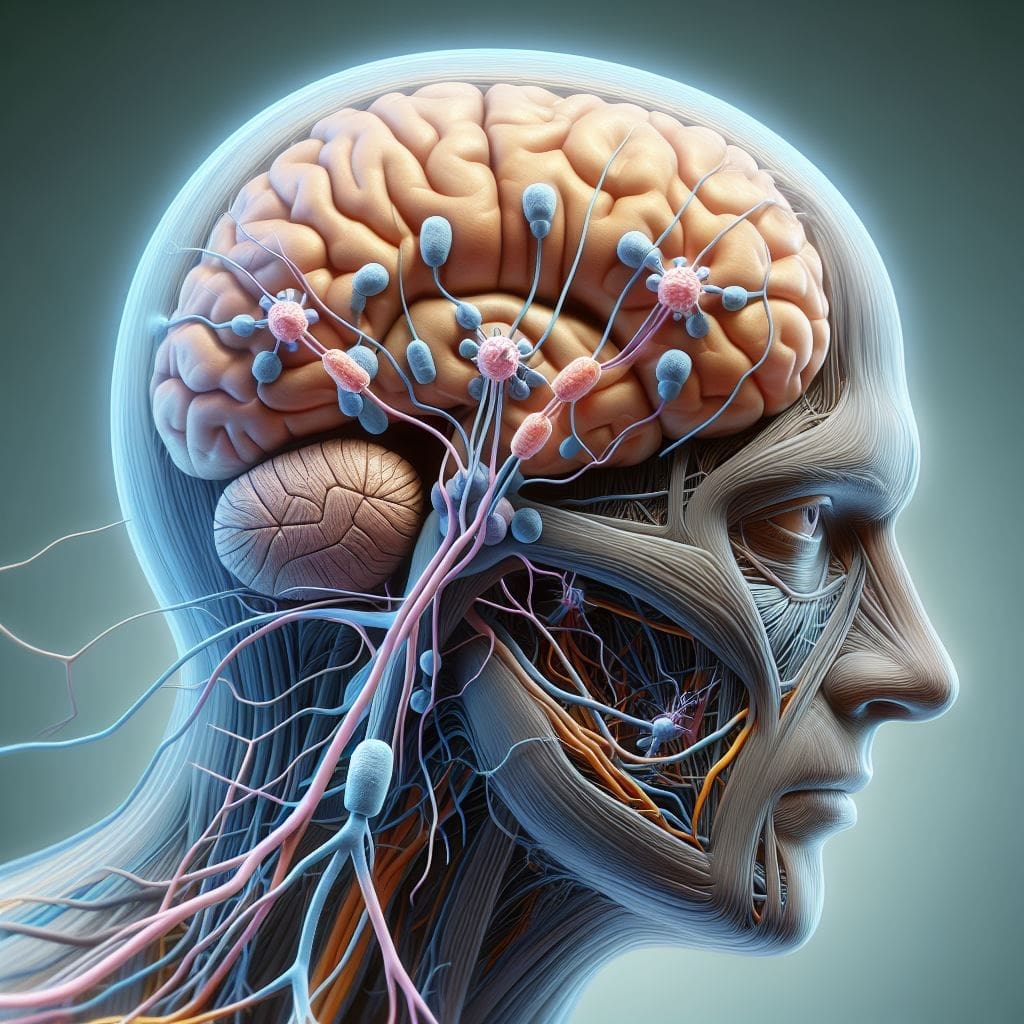


In the quest to understand criminal behaviour, numerous disciplines have explored the intricate factors that contribute to deviant actions. While psychology, sociology, and genetics have shed light on many aspects, an emerging field called “criminal endocrinology” is unveiling the fascinating link between hormones and criminality. This blog post delves into the captivating world of criminal endocrinology, exploring the role of hormones in shaping criminal behaviour.
Understanding Hormones
Hormones are chemical messengers produced by various glands in our bodies, regulating essential bodily functions and influencing our behaviour. While hormones play a vital role in maintaining balance within our systems, certain imbalances can lead to behavioural changes and even criminal tendencies.
Hormones and Aggression
One of the primary areas that criminal endocrinology focuses on is the correlation between hormones and aggression. Studies have revealed that an excess or deficiency in testosterone levels can significantly impact an individual’s propensity towards violent or criminal behaviour. Testosterone, largely associated with male characteristics, has an undeniable role in boosting aggression, dominance, and risk-taking behaviour.
Serotonin: The Mood Regulator
Another hormone that plays a crucial role in criminal endocrinology is serotonin. Serotonin, known as the “feel-good hormone,” influences mood, sleep, appetite, and sexual behaviour. Deficiency in serotonin has been linked to impulsive and aggressive tendencies, indicating a potential connection between lower serotonin levels and criminal actions.
Cortisol and Chronic Stress
The stress hormone cortisol has gained increasing attention in recent years due to its involvement in criminal behaviour. Chronic stress, often characterised by elevated cortisol levels over an extended period, can impact decision-making, emotional control, and impulse regulation. The persistent strain caused by chronically elevated cortisol can push individuals towards criminal activities as a coping mechanism or to seek a temporary release.
The Role of Thyroid Hormones
Thyroid hormones are responsible for maintaining metabolism, energy levels, and overall cognitive functioning. Imbalances in thyroid hormone production have been associated with impulsivity, cognitive impairments, and increased risk-taking behaviour, which can contribute to criminal tendencies.
The Future of Criminal Endocrinology
Though still in its infancy, the field of criminal endocrinology holds immense promise for further comprehending the relationship between hormones and criminal behaviour. As technology advances and research expands, scientists may better identify the specific mechanisms linking hormones to deviant actions.
Implications and Challenges
While the findings from criminal endocrinology provide valuable insights, it is imperative to approach this subject cautiously. Correlations between hormones and criminal tendencies should not be used to stigmatise or discriminate against individuals but should guide efforts towards comprehensive rehabilitation and support mechanisms.
Conclusion
Criminal endocrinology is an emerging field that sheds light on the intricate interplay between hormones and criminal behaviour. Understanding the hormonal factors that contribute to deviant actions can potentially guide policymakers, criminologists, and psychologists to design more effective prevention and rehabilitation strategies. As research progresses, criminal endocrinology holds the potential to unveil new breakthroughs, dispel societal stigma, and promote a more empathetic approach to addressing criminal behaviour.
Share this:

You Might Also Enjoy Reading