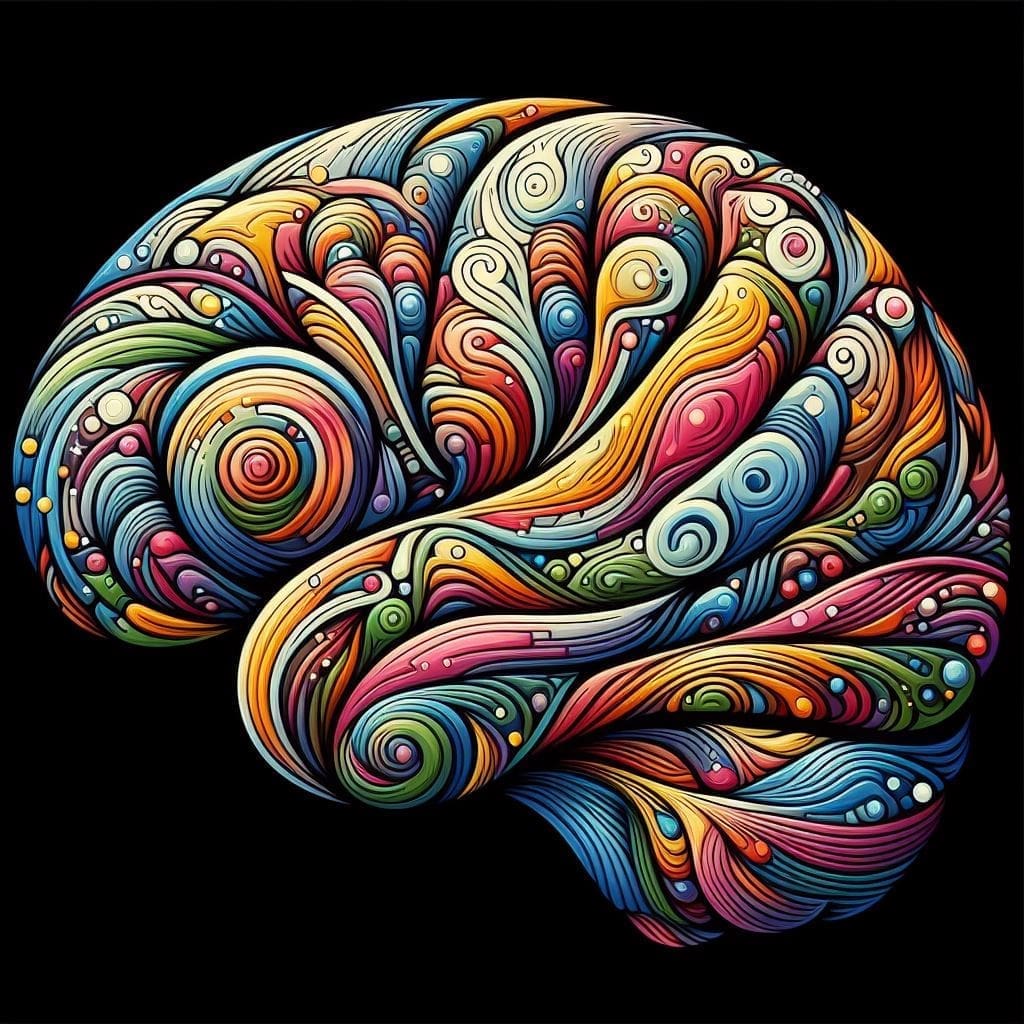

Writing is a unique endeavour that engages not only the intellect but also the emotions. It is an intricately woven tapestry that reveals fragments of the writer’s soul, aspirations, and experiences. Behind each word, sentence, and paragraph lies the psychology of the writer, a complex labyrinth of thoughts, beliefs, and emotions that ultimately shapes their work. In this blog post, we delve into the fascinating world of the psychology of writing, exploring its depths and understanding why it holds such sway over the creative process.
First and foremost, writing is an act of self-expression, allowing writers to convey their innermost thoughts and feelings. By putting pen to paper or fingertips to keyboard, writers embark on a journey of self-discovery. They excavate their subconscious, unearthing hidden desires, fears, and dreams that find solace in the pages they create. This introspective process can often be both exhilarating and cathartic, providing an outlet for the writer’s emotions, whether it be joy, sorrow, or anger. Through the act of writing, the writer gains clarity, a deeper understanding of themselves, and a profound connection to the human experience.
However, the psychology of writing is not solely wrapped in the realm of the writer’s emotions. It also encompasses cognitive processes that influence the creative output. The process of transforming abstract thoughts into coherent words involves a series of mental gymnastics. Writers must conjure up ideas, organise them into a logical structure, and refine their work to create a seamless flow. This requires formidable cognitive abilities, such as problem-solving, decision-making, and critical thinking. The ability to string together a sequence of words that effectively communicates an idea or evokes an emotion is a testament to the writer’s cognitive prowess.
Furthermore, writing necessitates discipline and resilience. It demands an unwavering commitment to facing the blank page, grappling with self-doubt, and persevering in the face of adversity. Writers confront an elusive balance, striving for artistic excellence while navigating the pressures of time, deadlines, and external validation. It is a psychologically demanding endeavour, often fraught with bouts of writer’s block, imposter syndrome, and the inherent vulnerability that comes with sharing one’s work with the world. Yet, within these challenges, writers harness their psychological attributes, summoning courage, determination, and resilience to deliver their stories to the eager eyes of readers.
In addition to the internal struggles and triumphs, writers are also influenced by external factors that shape their psychology. The cultural, social, and historical context in which they exist significantly impacts their work. Writers are products of their environment, influenced by the zeitgeist, social norms, and personal experiences. From shaping characters’ motivations to exploring societal injustices, the external world intertwines with the writer’s psyche, fuelling their creative fire. Moreover, writers are influenced by the works of others, drawing inspiration from literary greats, learning from their techniques, and seeking to join the canon of esteemed writers who have come before them. The interplay between personal and collective psychology gives birth to uniquely crafted narratives that resonate with readers across time and space.
In conclusion, the psychology of writing is a profound and endlessly captivating subject. It encompasses the intersection between the writer’s emotions, cognitive processes, discipline, and the external forces that shape their psyche. It is a multi-faceted endeavour that simultaneously explores the individual and collective human experience. Understanding the psychology of writing allows us to appreciate the intricacies of the writer’s mind, shedding light on the extraordinary journey that unfolds between the blank page and the finished piece.
Share this:

You Might Also Enjoy Reading